How to Buy a Car at an Auction: This Woman Spent Just $400
Discover how to score incredible deals on used cars at auctions, even as a beginner, with tips from real buyers who paid just $400.

Have you ever considered buying a car somewhere other than a dealership? Here’s how to buy a car at an auction, even if you’re a total beginner. Auto auctions offer a thrilling opportunity to snag used vehicles at prices significantly lower than traditional dealerships, often through competitive bidding that drives costs down. While risks exist, such as purchasing a vehicle with hidden issues, thorough preparation can lead to substantial savings, as demonstrated by one buyer’s acquisition of a 2001 Chevrolet Cavalier for just $400.
How to Buy a Car at an Auction
I purchased my 2001 Chevrolet Cavalier in a pretty nontraditional way: at a car auction. These events allow buyers to acquire used cars via a bidding process, typically resulting in lower prices compared to dealerships. Many auctions are restricted to licensed dealers, but public auctions are accessible nationwide, and online platforms like eBay Motors enable bidding from home.
Car auctions aren’t as ubiquitous as dealership lots, and there’s a higher risk of ending up with a high-mileage or mechanically challenged vehicle—a so-called “beater car.” However, with diligence, buyers can secure exceptional deals. Public auctions often feature fleet vehicles, repossessions, or trade-ins sold quickly by owners or financial institutions.
Could You Try Buying at a Car Auction?
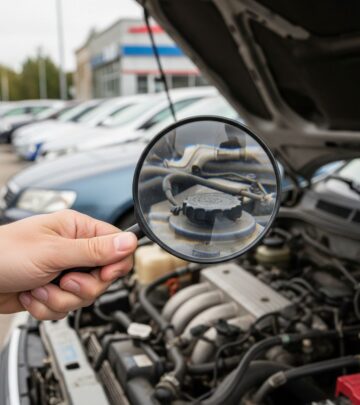
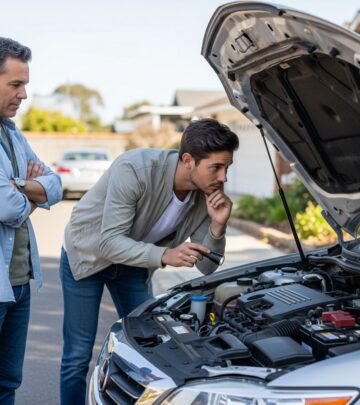
Car auctions don’t guarantee dream deals every time, but experts like Diana Gerjes, general manager at Interstate Auto Auction, affirm that newcomers can succeed with proper preparation. “Do your homework first,” she advises. Key steps include inspecting the vehicle beforehand and test-driving if permitted. “If they allow you to test-drive, definitely take advantage of that,” Gerjes emphasizes. This prevents emotional bidding on unvetted cars amid the auction’s excitement.
Another critical preparation is valuing the car using resources like Kelley Blue Book or Edmunds. These tools provide market averages based on make, model, year, mileage, and condition, ensuring bids stay within reasonable limits. Gerjes stresses not overbidding beyond the car’s worth, which protects against post-purchase regret.
5 Tips for Buying a Car at Auction
Although I skipped test-driving and Kelley Blue Book checks for my purchase, I still found a gem. Drawing from personal experience and expert insights, here are five essential tips to navigate car auctions successfully.
1. Know Something About Cars — or Bring Someone Who Does
Mechanical knowledge isn’t mandatory, but it’s invaluable. I lacked expertise on components like catalytic converters or transmissions, yet my boyfriend’s car savvy and family support proved crucial. If you’re inexperienced, bring a mechanically inclined friend or hire a pre-purchase inspector.
Some auctions offer short-term warranties on engines or transmissions, providing a safety net. Research auction-specific guarantees beforehand to mitigate risks.
2. Set Aside Money for Repairs
Auction cars often have high mileage, mechanical issues, or accident history, explaining their presence at auction rather than lots. Low bids are appealing, but budget for repairs. Interstate Auto Auction estimates sedans may need $300–$1,000+ in fixes, while trucks, SUVs, or luxury vehicles could exceed $600–$2,000.
According to CarMD’s Vehicle Health Index, models like the 2016 Audi Q5 have fewer check-engine issues, and the 2017 Hyundai Tucson boasts low repair costs at $66.67 average for such problems. Factor in towing if the car isn’t drivable—my purchase avoided this by towing it with another vehicle.
| Vehicle Type | Typical Repair Cost Range | Example Low-Repair Model |
|---|---|---|
| Sedans | $300–$1,000+ | 2017 Hyundai Tucson ($66.67 avg check-engine fix) |
| Trucks/SUVs/Luxury | $600–$2,000+ | 2016 Audi Q5 (fewest check-engine issues) |
3. Know the Car’s History
Whenever possible, obtain the Vehicle Identification Number (VIN) and run a report via CARFAX or similar services. This reveals accidents, flood damage, service records, and ownership history. My car came from a newspaper delivery fleet, implying regular maintenance, but post-flood auctions warrant extra caution for water damage.
VIN checks are especially vital for salvage or rebuilt titles, common at auctions. Use history reports to negotiate or avoid lemons.
4. Research Auction Types and Locations
Not all auctions are equal. Dealer-only events require licenses, but public ones—from local lots to major events like Mecum Auctions—are open to all. Online options expand reach without travel. Search locally or use aggregators to find sales featuring fleet vehicles or repossessions for better deals.
Arrive early for inspections; many allow pre-bidding viewings. Understand rules like bidder registration, deposits, and payment terms.
5. Always Bid an Odd Number
In blind or online auctions, bid unconventionally like $301 instead of $300 to avoid ties. My even bid forced a $399 jump, costing extra. Odd bids can secure wins at lower totals. Note: Live auctions differ, as rapid outbidding occurs.
Types of Car Auctions
- Public Auctions: Open to individuals; great for beginners. Examples include local sales and events like Mecum in Kissimmee, FL, featuring high-end lots like a 2007 Ferrari F430 once owned by Donald Trump, estimated at $750,000–$1M.
- Dealer-Only Auctions: Require licenses; lower prices but inaccessible without credentials.
- Online Auctions: Platforms like eBay Motors for remote bidding.
- Salvage Auctions: Damaged vehicles for rebuilders; higher risk, lower cost.
Pros and Cons of Buying at Auction
| Pros | Cons |
|---|---|
| Lower prices via bidding | Higher risk of issues |
| No-haggle transparency | Limited inspections/test drives |
| Variety of vehicles | Potential repair/towing costs |
| Quick purchase process | No warranties typically |
Post-Purchase Steps
After winning, pay promptly (cashier’s checks common), handle title transfer, and inspect thoroughly. Budget for registration, taxes, and immediate fixes. My Cavalier needed minor work but served reliably.
Frequently Asked Questions (FAQs)
Q: Do I need a dealer license for car auctions?
A: No, public auctions are open to everyone; dealer-only ones require a license.
Q: Can I test-drive auction cars?
A: Often yes, during preview periods—always take advantage.
Q: What if the car doesn’t run?
A: Plan for towing; factor costs into your budget.
Q: How do I check a car’s value?
A: Use Kelley Blue Book or Edmunds for fair market estimates.
Q: Are auction cars reliable?
A: Varies; research history and inspect to minimize risks.
Q: What’s the best bidding strategy?
A: Set a max bid, use odd numbers in blind auctions, avoid auction fever.
*Article inspired by real experiences from The Penny Hoarder writers. Always verify local laws and auction rules.*
References
- Vehicle Health Index — CarMD. 2018. https://www.carmd.com/vehicle-health-index
- Kelley Blue Book Vehicle Valuation — Kelley Blue Book (official tool). Accessed 2026. https://www.kbb.com/
- Edmunds Car Valuation and Reviews — Edmunds.com. Ongoing updates. https://www.edmunds.com/
- CARFAX Vehicle History Reports — CARFAX (official service). Ongoing. https://www.carfax.com/
- Federal Trade Commission: Buying a Used Car From an Auction — FTC.gov. 2024-01-15. https://consumer.ftc.gov/articles/buying-used-car-auction
- National Auto Auction Association Guidelines — AuctionNet (official). 2025. https://www.auctionnet.com/
Similar Articles








Read full bio of medha deb