How To Cancel A Pending Credit Card Transaction
Learn how to cancel pending credit card transactions quickly and effectively before they post.
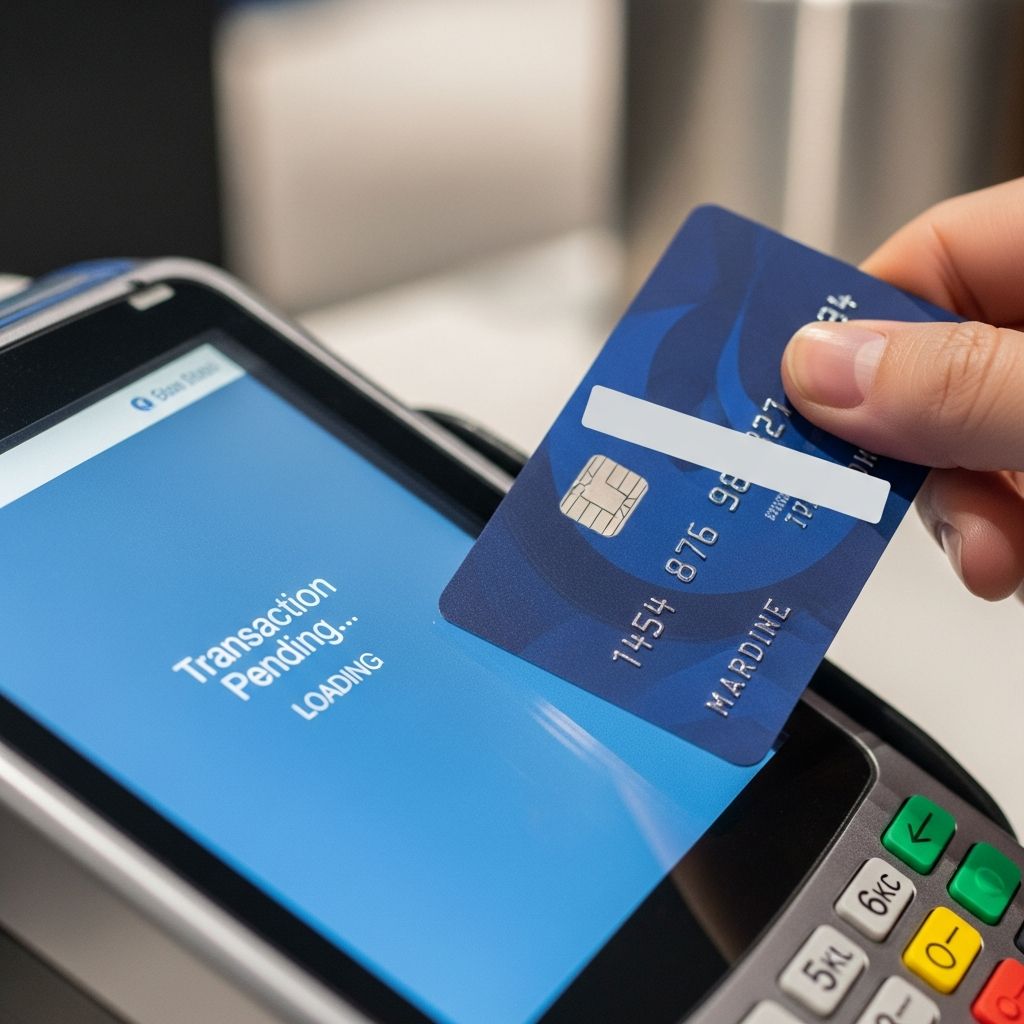
Pending credit card transactions occupy a unique space in your account — they appear on your statement and temporarily reduce your available credit, but they’re not yet added to your actual balance. Understanding how to cancel these transactions quickly is essential if you’ve changed your mind about a purchase, noticed a duplicate charge, or suspect fraudulent activity on your account.
The good news is that canceling a pending credit card transaction is possible, though the process requires prompt action and often depends on the merchant’s cooperation. The key to success lies in acting quickly and following the right steps before the payment fully processes and posts to your account.
Understanding Pending Credit Card Transactions
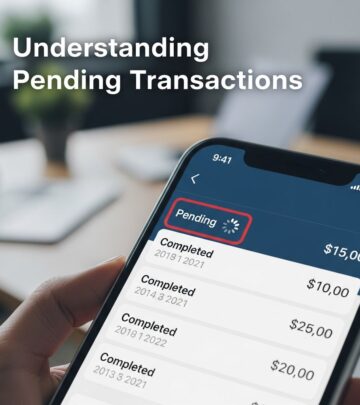
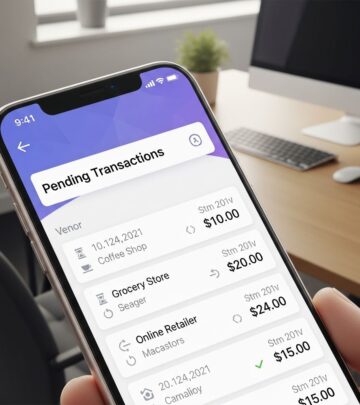
Before diving into the cancellation process, it’s important to understand what a pending transaction actually is. When you make a purchase with your credit card, the merchant first requests authorization from your card issuer. This authorization places a temporary hold on your account, and this is when the transaction appears as “pending.” During this phase, the funds haven’t actually been deducted from your account balance, but your available credit has been reduced to reflect the pending charge.
The pending status exists in a gray area between authorization and posting. Once the merchant submits the transaction for processing and your card issuer fully processes it, the status changes from “pending” to “posted,” and the charge becomes permanent on your account balance. This transition typically happens within a few business days, though it can vary depending on the merchant and your financial institution.
The process of canceling a pending transaction depends on your specific situation and how quickly you act. Generally, the sooner you contact the merchant, the more likely your pending transaction can be canceled before it posts. Here are the primary steps to follow:
Step 1: Contact the Merchant Directly
Your first and best line of defense is to contact the merchant directly. Merchants have more control over pending transactions than card issuers do, making them your ideal contact for quick resolution. When you reach out, be prepared with specific details about your transaction, including:
- The exact transaction amount
- The date of the purchase
- Your order or reference number
- The reason you want to cancel
Call the merchant’s customer service line or visit the store in person if possible. Explain your situation clearly and politely, but be firm about your request to cancel or reverse the authorization. If you act within hours of the purchase, merchants can often void the transaction before it finalizes with the payment processor. Provide the merchant with your payment details to demonstrate that you’re organized and prepared, which can increase their willingness to help.
Documentation is crucial during this process. Save all messages, emails, chat transcripts, and record any phone calls (where legal) with the merchant regarding your cancellation request. This documentation can prove invaluable if you need to escalate the issue later.
Step 2: Reach Out to Your Card Issuer
If the merchant refuses to help or cannot cancel the pending transaction, your next step is to contact your credit card issuer or bank. However, it’s important to have realistic expectations at this stage. While merchants actively control pending transactions, banks and credit card companies typically have limited ability to stop a payment mid-process.
When you call your card issuer, explain the situation in detail. If you suspect fraud, skip the merchant contact step entirely and go directly to your card issuer. They can:
- Place a hold on the transaction
- Flag the transaction for further review
- Guide you toward starting a formal dispute once the charge posts
- Provide information about the chargeback process
While it’s theoretically possible for card issuers to cancel a transaction mid-process, the reality is that this isn’t always straightforward. The resolution process may take several weeks, and there’s no guarantee the pending charge will be stopped before it posts to your account.
Using Online Banking and Mobile Apps
Many credit card companies now allow customers to manage transactions through their online banking portals or mobile apps. Check whether your card issuer’s platform offers any options to cancel or dispute pending transactions directly. This can sometimes be faster than calling customer service, though the available options vary by institution.
How to Cancel a Credit Card Payment
If your pending transaction is a payment you made to your credit card balance rather than a merchant purchase, the cancellation process is slightly different. When you’ve just made a payment that’s still pending, you can typically cancel it through these methods:
- Online banking portal
- Mobile app
- Phone call to customer service
However, once your payment goes through and posts to your account, canceling becomes much more difficult. If you suspect fraud or a billing error on a posted payment, you can call your issuer to open a dispute. This will likely result in a chargeback, which is essentially a temporary refund from the issuer while the dispute is being resolved.
Timeline and Expectations for Cancellations
Understanding the timeline for cancellations is important for setting realistic expectations. The process varies depending on who handles the cancellation:
| Cancellation Scenario | Timeline | Success Rate |
|---|---|---|
| Merchant releases hold immediately | 1-7 business days for pending charge to disappear | Highest if done within hours |
| Card issuer handles cancellation | Several weeks | Lower success rate mid-process |
| Dispute filed after posting | Varies, typically 30-90 days | Depends on evidence and circumstances |
When Cancellation May Not Be Possible
Unfortunately, there are situations where canceling a pending transaction becomes impossible. Once a transaction has fully posted to your account, the pending status changes to posted, and the merchant can no longer simply release the hold. At this point, your options become more limited and the process more complicated.
If a pending transaction posts before you can get it canceled, you’ll need to pursue one of these alternatives:
- Request a refund directly from the merchant
- File a dispute or chargeback with your card issuer
- Contact your bank if the transaction posted but shouldn’t have
Preventing Pending Transactions From Occurring
While knowing how to cancel pending transactions is valuable, preventing them from becoming problematic in the first place is ideal. Here are some proactive steps to consider:
Review your transactions regularly. Check your credit card account frequently, either through your online portal or app, to catch any unauthorized or duplicate charges quickly.
Keep purchase records. Maintain receipts and confirmation emails from your purchases so you can easily verify charges on your statement.
Recognize authorization holds. Be aware that certain merchants, such as gas stations and hotels, often place authorization holds that are higher than the final charge amount. These holds are normal and typically release within a few days.
Monitor your available credit. Pay attention to how pending transactions affect your available credit limit, especially if you’re near your maximum credit limit.
Frequently Asked Questions
Q: What’s the difference between a pending transaction and a posted payment?
A: A pending transaction is a charge that’s been authorized by your credit card issuer but hasn’t been fully processed yet. It temporarily reduces your available credit but isn’t included in your account balance. A posted payment is finalized and fully included in your official account balance. Once posted, cancellation becomes much more difficult, and you’ll need to pursue a refund or dispute instead.
Q: How can I cancel a pending transaction on my debit card?
A: The process is essentially the same for debit cards as for credit cards. Contact the merchant first to request they void or reverse the charge. If the merchant can’t help, reach out to your bank. If the charge posts anyway, you’ll need to request a refund or file a dispute through your bank, which may take longer to resolve.
Q: How long does it take to cancel a pending card payment?
A: The timeline depends on who handles the cancellation. If the merchant releases the hold, the pending charge usually disappears from your account within 1 to 7 business days. If the card issuer handles it, the process can take several weeks. If you’ve already filed a dispute, resolution typically takes 30 to 90 days.
Q: Can I cancel a credit card payment within 24 hours?
A: In many cases, yes, but it’s not guaranteed. The sooner you contact the merchant or card issuer after making the purchase, the better your chances of reversing the payment. Once the payment posts to your account, however, you’ll have to request a refund or file a dispute, which takes longer.
Q: What should I do if I suspect fraud?
A: If you suspect fraudulent activity, don’t contact the merchant — go directly to your credit card issuer or bank immediately. They can investigate the suspicious charge and protect your account. Report the fraud as soon as possible to minimize your liability and give your financial institution time to investigate.
Q: What if the merchant won’t cancel the pending transaction?
A: If the merchant refuses to help or can’t cancel the pending transaction, contact your credit card issuer to discuss your options. Once the transaction posts, you can file a formal dispute or chargeback. Keep all documentation of your communication attempts with the merchant for your records.
Taking Action: Your Next Steps
If you’re currently dealing with a pending credit card transaction you want to cancel, don’t delay. Time is your most valuable asset in this situation. Act within hours of discovering the unwanted charge, and follow the steps outlined above. Contact the merchant first, provide them with clear details about your transaction, and politely but firmly request cancellation.
Keep organized records of all your communications, remain calm and professional, and be persistent if your first attempt doesn’t succeed. If the merchant can’t help, escalate to your credit card issuer. While they may have more limited options for stopping mid-process transactions, they can provide guidance on the dispute process if the charge posts.
Remember that once a transaction posts to your account, your options become more limited and the resolution process becomes more complicated. Therefore, prompt action when you first notice an unwanted pending charge is essential.
References
- How To Cancel A Pending Credit Card Transaction — Bankrate. 2025. https://www.bankrate.com/credit-cards/advice/how-to-cancel-a-pending-credit-card-transaction/
- How to Cancel a Pending Transaction – Experian — Experian. 2025. https://www.experian.com/blogs/ask-experian/how-to-cancel-pending-transaction/
- Pending credit card transactions | Capital One Help Center — Capital One. 2025. https://www.capitalone.com/help-center/credit-cards/card-pending-transactions/
- How to Cancel a Pending Credit Card Transaction – NerdWallet — NerdWallet. 2025. https://www.nerdwallet.com/credit-cards/learn/how-to-cancel-a-pending-credit-card-transaction
- How long do pending transactions take to clear? — Ramp. 2025. https://ramp.com/blog/pending-credit-card-charges
Similar Articles








Read full bio of medha deb