How To Cancel A Credit Card: Step-By-Step Guide
Master the step-by-step process to close your credit card account safely while protecting your credit score and avoiding common pitfalls.
Closing a credit card account requires careful planning to avoid negative effects on your finances and credit profile. This guide outlines every essential step, from settling debts to verifying closure on your credit report, ensuring a smooth process.
Why Consider Closing a Credit Card Account?
People choose to cancel credit cards for various reasons, such as high annual fees, better alternative offers, or simplifying their financial portfolio. However, impulsive decisions can harm your credit score by increasing utilization ratios or shortening credit history. Weigh pros and cons before proceeding: evaluate fees against benefits like rewards or credit line contributions to your overall profile.
Maintaining low utilization—ideally under 30%—is crucial, as closing a high-limit card can spike this ratio if balances exist elsewhere. Older accounts also bolster your credit age, a key scoring factor. If the card has no fee and positive history, keeping it open but unused might preserve your score better than closure.
Essential Preparations Before Cancellation
Thorough preparation prevents complications. Start by reviewing your account thoroughly.
- Review statements: Examine recent bills for overlooked charges or patterns.
- Identify auto-payments: Subscriptions like streaming services or gym memberships often link to cards; update them promptly to avoid disruptions.
- Assess rewards: Accumulated points, miles, or cash back could vanish upon closure.
Neglecting these can lead to declined payments, service interruptions, or forfeited value. Use budgeting apps to track recurring debits efficiently.
Step-by-Step Process to Close Your Account
Follow this structured sequence for any issuer, adapting as needed per their policies.
Step 1: Clear All Outstanding Balances
Most issuers demand a zero balance before approval. Pay in full via app, online portal, or phone to halt interest accrual. Confirm the balance is $0, as pending transactions might post later. Transfer balances if necessary, but verify terms to avoid fees.
If a balance remains post-closure, you’re still liable; interest continues until paid. This step ensures clean separation.
Step 2: Redeem or Transfer Rewards
Cash back, travel miles, or points typically expire upon account closure. Redeem for statement credits, deposits, gift cards, or travel before contacting the issuer. Some programs allow transfers to partners; check expiration policies.
| Reward Type | Common Redemption Options | Potential Value Loss if Not Redeemed |
|---|---|---|
| Cash Back | Statement credit, bank deposit | Full forfeiture |
| Travel Miles | Flights, hotels, transfers | Total loss |
| Points | Gift cards, merchandise | Complete expiration |
Act swiftly—rewards have short lifespans post-notice.
Step 3: Cancel Recurring Payments
Scan statements for annual or monthly auto-charges. Contact merchants directly to switch payment methods. Tools like subscription trackers simplify this. Failure here risks fees from issuers or merchants and service cancellations.
Step 4: Contact the Credit Card Issuer
Methods vary: call the number on your card’s back, use secure chat/app, or mail a request. Verbally confirm intent; expect retention offers like fee waivers or bonuses. Politely decline if committed.
Preferred sequence: phone first for immediate confirmation, followed by written notice via certified mail for records. Reference your account, request closure date, and zero-balance confirmation. CFPB advises this dual approach for protection.
Step 5: Obtain Written Confirmation
Request a closure letter stating account status, date, and balance. Retain for disputes. Some issuers email this; others mail. This proves your request, vital if errors appear on reports.
Step 6: Destroy the Physical Card
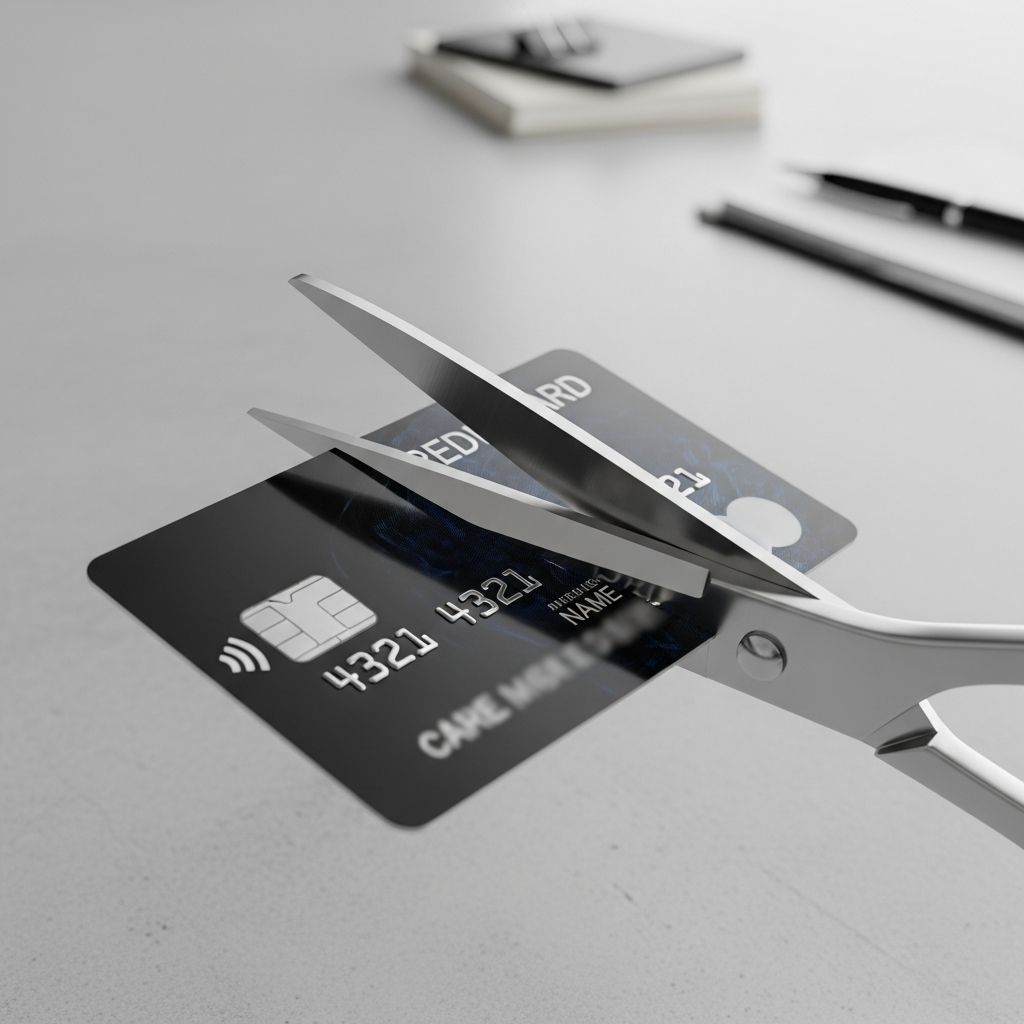
Prevent fraud by shredding plastic cards or cutting into pieces across chip, numbers, and name. For metal cards, return via issuer-provided envelope. Scatter remnants in multiple trash bins.
Step 7: Monitor Your Credit Reports
Wait 30-60 days, then pull free reports from AnnualCreditReport.com. Verify the account shows “closed by customer request” with $0 balance. Closed accounts linger 7-10 years but don’t harm scores if handled correctly. Dispute inaccuracies directly with the issuer, not bureaus.
Potential Impacts on Your Credit Score
Cancellation affects scores variably:
- Utilization rise: Reduces available credit, potentially over 30% usage hurts scores.
- History shortening: If oldest card, average age drops.
- Inquiries/payment history: No direct hit if current.
Offset by keeping other accounts active. Tools like VantageScore simulators predict changes.
| Factor | Impact of Closure | Mitigation Strategy |
|---|---|---|
| Credit Utilization | Potential increase | Pay down other balances |
| Length of History | Shortens average age | Keep oldest cards open |
| Payment History | No change if positive | Maintain timely payments |
Alternatives to Full Cancellation
Downgrade to no-fee version preserves history and line. Product change keeps benefits without closure downsides. Discuss with issuer before canceling.
Frequently Asked Questions (FAQs)
Can I cancel a card with a balance?
Yes, but pay it off timely; interest accrues.
How long until closure appears on reports?
30-45 days typically.
Do rewards expire immediately?
Often within 30 days of closure; redeem first.
Does closing hurt my score permanently?
No, temporary dip recoverable with good habits.
What if the issuer won’t close it?
Insist, send certified letter, contact CFPB if needed.
Final Checklist for Success
- Balance at $0
- Rewards redeemed
- Auto-pays updated
- Issuer notified verbally/written
- Confirmation received
- Card destroyed
- Credit reports checked
By methodically following these steps, you’ll close your account cleanly, minimizing risks.
References
- How to Deactivate or Cancel a Credit Card — CareCredit. 2023. https://www.carecredit.com/well-u/health-wellness/how-to-cancel-credit-card/
- Canceling a Credit Card — PeoplesBank Financial Resource Center. 2024. https://financialtips.bankatpeoples.com/credit-and-debt/credit/article/cancelling-a-credit-card
- How to Cancel a Credit Card in 5 Steps — Bankrate. 2025-10-15. https://www.bankrate.com/credit-cards/advice/how-to-cancel-a-credit-card/
- Canceling a Credit Card? Here’s How to Do It Without Hurting Your Credit — U.S. Senate Federal Credit Union. 2024. https://www.ussfcu.org/media-center/senate-cents-a-financial-wellness-blog/blog-detail.html?title=canceling-a-credit-card-here-s-how-to-do-it-without-hurting-your-credit
- How to Cancel a Credit Card in 5 Steps — Chase Bank. 2025. https://www.chase.com/personal/credit-cards/education/basics/how-to-cancel-a-credit-card
- I want to close my credit card account. What should I do? — Consumer Financial Protection Bureau (CFPB). 2023-06-01. https://www.consumerfinance.gov/ask-cfpb/i-want-to-close-my-credit-card-account-what-should-i-do-en-84/
- How to Cancel a Credit Card — Citi. 2024. https://www.citi.com/credit-cards/understanding-credit-cards/how-to-cancel-a-credit-card
Similar Articles








Read full bio of medha deb