How to Cancel a Credit Card: A Complete Guide
Master the process of canceling your credit card safely with our step-by-step guide.
Closing a credit card might seem straightforward, but the process involves several important considerations that can affect your financial health. Whether you’re downsizing your wallet, eliminating high fees, or simplifying your finances, understanding how to properly cancel a credit card is essential. This comprehensive guide will walk you through the entire process and help you make informed decisions about your credit accounts.
Why You Might Want to Cancel a Credit Card
There are numerous valid reasons to consider canceling a credit card. Understanding your motivation can help you determine if cancellation is truly the best option for your financial situation.
- High annual fees: If your card charges substantial annual fees that outweigh the benefits and rewards you’re receiving, cancellation may be worthwhile.
- Unused account: Cards you no longer use waste space in your wallet and create unnecessary complexity in your financial life.
- Better rewards elsewhere: You might find a card with superior rewards programs or benefits that better align with your spending habits.
- Simplifying finances: Managing multiple credit cards can become overwhelming, making consolidation an attractive option.
- High interest rates: If you’re paying an unfavorable interest rate, switching to a card with better terms might be prudent.
- Reducing temptation: Fewer credit cards can help you avoid overspending and accumulating unwanted debt.
- Closing idle accounts: Cards that haven’t been used in years can represent security risks and credit monitoring complications.
Understanding the Impact on Your Credit Score
Before you cancel a credit card, it’s crucial to understand how this action affects your credit score. Your credit score is determined by several factors, and closing an account influences multiple aspects of your credit profile.
Credit Utilization Ratio
One of the most significant impacts occurs through your credit utilization ratio, which accounts for approximately 30% of your credit score. This ratio represents the percentage of your available credit that you’re currently using. When you cancel a credit card, you reduce your total available credit, which can increase your utilization ratio even if your actual debt remains the same. For example, if you have $5,000 in credit card debt spread across two cards with $10,000 limits each (total $20,000 limit), your utilization is 25%. If you cancel one card, your available credit drops to $10,000, raising your utilization to 50%, potentially harming your credit score.
Length of Credit History
Your credit history length affects about 15% of your credit score. Closing an older credit card removes years of account history, potentially lowering this factor. Credit bureaus prefer seeing long-standing accounts in good standing, as they demonstrate your ability to manage credit responsibly over time. If you’re canceling a newer card, the impact is typically minimal, but closing one of your oldest accounts can be more damaging.
Payment History
Fortunately, canceling a credit card doesn’t immediately erase your payment history with that account. Your positive payment record remains on your credit report for up to seven years, continuing to benefit your score during that period. Payment history comprises 35% of your credit score, making this an important protective factor.
Hard Inquiries and New Accounts
Closing a credit card won’t directly impact hard inquiries or new account openings since it involves removing an existing account rather than applying for a new one. However, these factors may have influenced your score when you originally opened the card.
Steps to Cancel a Credit Card
Properly canceling a credit card requires careful planning and execution. Follow these steps to ensure a smooth process:
Step 1: Pay Off Your Balance
Before canceling, ensure you’ve paid off the entire balance on the card. Attempting to close an account with an outstanding balance complicates the process and may result in unexpected fees or complications. Set up a payment plan if you can’t pay the full amount immediately, or transfer the balance to another card if you have a 0% balance transfer offer available.
Step 2: Redeem Remaining Rewards
Many credit cards offer rewards points, miles, or cashback. Before closing your account, redeem any accumulated rewards. Some issuers may invalidate unused rewards after account closure, though many preserve them for a limited time. Check your card’s terms and conditions for specific policies regarding reward forfeiture.
Step 3: Update Automatic Payments
Review all recurring charges or automatic payments linked to the credit card you’re closing. Update subscriptions, bills, and other automatic charges to use a different payment method. Forgetting this step can lead to declined payments and late fees.
Step 4: Contact Your Credit Card Issuer
Reach out to your credit card company to initiate the cancellation process. Most issuers provide multiple contact methods:
- Phone: Call the customer service number on the back of your card for the quickest resolution.
- Online account portal: Some issuers allow account closure through their website or mobile app.
- Written request: Send a certified letter requesting cancellation, which creates a paper trail for your records.
Step 5: Confirm the Cancellation in Writing
Request written confirmation of your cancellation. This documentation serves as proof that you initiated the closure and protects you against any disputed charges or identity theft. Save this confirmation along with any reference numbers provided.
Step 6: Destroy Your Card
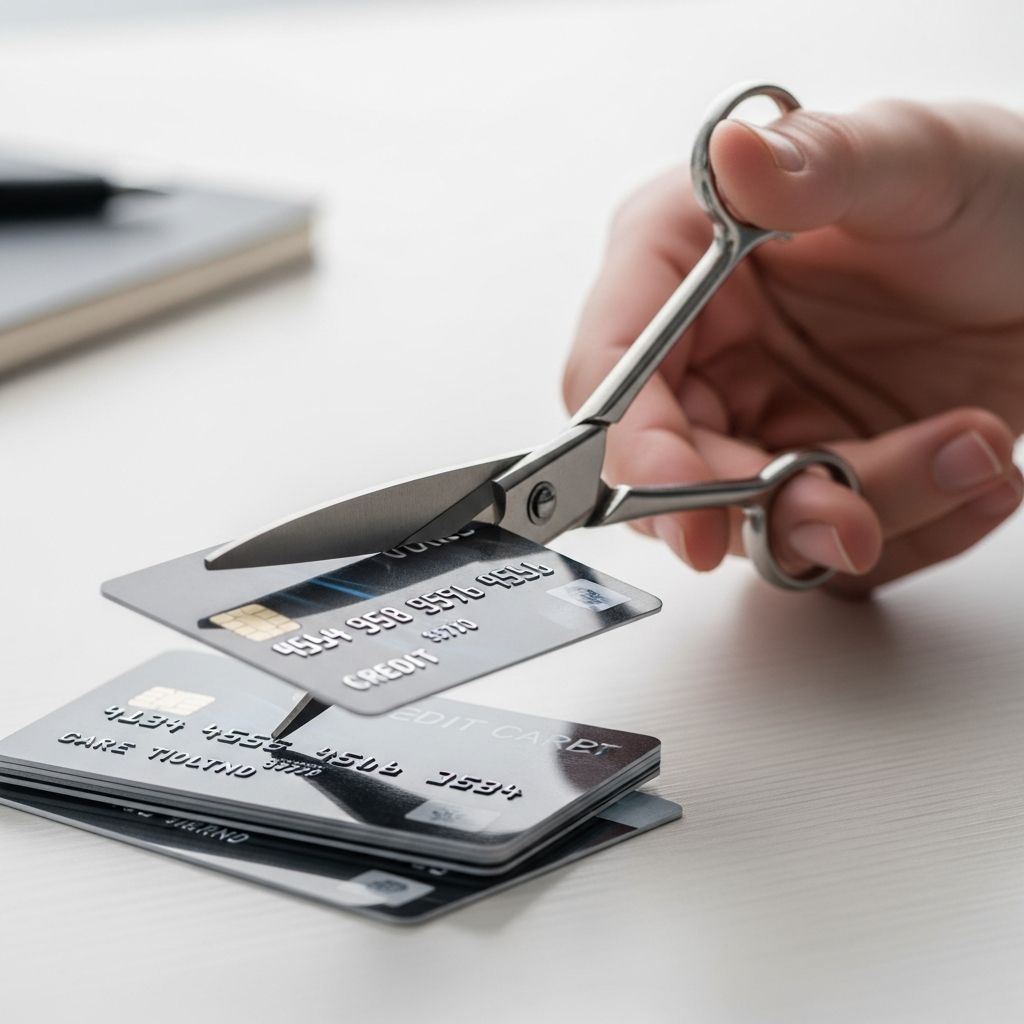
Cut up or shred your physical credit card after the account is closed. This prevents accidental use or fraudulent activity. Some people keep the card for reference purposes, but destroying it is the safer option.
Before You Cancel: Alternative Options to Consider
Before finalizing your decision to cancel a credit card, explore whether other options might better serve your needs.
Requesting a Lower Interest Rate
If high interest rates are your primary concern, contact your issuer to request a rate reduction. Many cardholders don’t realize they can negotiate better terms, and issuers often prefer retaining good customers to offering lower rates rather than losing them entirely.
Waiving Annual Fees
Similarly, if annual fees are the issue, call customer service to negotiate. Some issuers will waive fees for long-standing customers, especially if you have good payment history. You might also ask about downgrading to a no-annual-fee version of the card.
Downgrading to a Different Card
Rather than closing the account entirely, many issuers allow you to convert to a different card product. This preserves your account age and history while potentially reducing fees or offering different benefits that better match your needs.
Simply Stopping Use
If you don’t have other pressing concerns, you could simply stop using the card rather than canceling. Keeping an old, unused account open maintains your available credit limit and credit history length, potentially benefiting your credit score. However, watch out for dormancy fees, which some issuers charge on inactive accounts.
Timing Considerations for Cancellation
The timing of your cancellation can impact both your finances and credit profile strategically.
Avoid Canceling Before Major Purchases
Don’t close a credit card if you plan to apply for a mortgage, auto loan, or other significant financing within the next few months. The temporary credit score dip from cancellation could impact your approval chances or interest rates.
Space Out Cancellations
If you’re closing multiple cards, space them out over several months rather than closing them all at once. This minimizes the impact on your credit utilization ratio and allows your score to recover between closures.
Cancel Newer Cards First
If you must choose which cards to cancel, prioritize closing newer accounts rather than your oldest ones. Preserving your oldest account maintains your average account age, which benefits your credit history length.
Monitoring Your Credit After Cancellation
After closing a credit card account, monitor your credit profile to ensure everything processes correctly and to track any impact on your score.
Check Your Credit Report
Request a free credit report from the three major credit bureaus—Equifax, Experian, and TransUnion—at www.annualcreditreport.com. Verify that the canceled account is accurately reported and that no fraudulent activity has occurred. You’re entitled to one free report annually from each bureau.
Monitor Your Credit Score
Many credit card issuers offer free credit score monitoring to cardholders. Track your score over the following months to understand the full impact of your cancellation. Depending on your credit profile, the impact may be minimal or more significant.
Watch for Billing Issues
Ensure that no unexpected charges appear on your account after closure. Continue monitoring for a few billing cycles to confirm the account is truly inactive.
Frequently Asked Questions
Q: Will canceling a credit card immediately hurt my credit score?
A: Yes, canceling a credit card can temporarily lower your credit score due to increased credit utilization ratio and potentially reduced average account age. However, the impact is usually temporary, and your score typically recovers over time, especially if you maintain good payment habits with your remaining accounts.
Q: Can I cancel a credit card with a balance?
A: Technically yes, but it’s not advisable. You’ll continue accruing interest on the outstanding balance, and the issuer may continue applying fees. It’s best to pay off the balance before canceling.
Q: How long does it take to cancel a credit card?
A: The actual cancellation can be completed during a phone call with customer service, usually taking just minutes. However, it may take several billing cycles for the account to fully close on the credit bureaus’ records.
Q: What happens to my rewards points when I cancel?
A: Reward policies vary by issuer. Most allow you to redeem points before cancellation, while others may expire unused points after account closure. Check your card’s terms or contact the issuer before canceling to clarify their specific policy.
Q: Should I keep canceled cards open?
A: No, once a card is canceled, the account is closed and you can’t use it. You should destroy the physical card to prevent misuse. The closed account continues affecting your credit profile for several years, but keeping the card won’t provide any additional benefit.
Q: Can I reopen a canceled credit card account?
A: Some issuers allow reactivation within a certain timeframe, typically 30 to 90 days, but this varies by bank. It’s best to ask about their policy before canceling if you think you might change your mind.
Q: How long does a canceled credit card stay on my credit report?
A: Canceled accounts typically remain on your credit report for up to seven years, even after closing. They continue contributing to your credit history length, which can benefit your credit score.
Conclusion
Canceling a credit card is a significant financial decision that requires careful consideration and planning. By understanding the process, anticipating the potential impacts on your credit score, and exploring alternative options, you can make an informed choice that best serves your financial goals. Remember to pay off any balance, redeem your rewards, update automatic payments, and obtain written confirmation before closing the account. While there may be temporary impacts on your credit score, responsible management of your remaining accounts will help you recover and maintain healthy credit over time. Take the time to evaluate whether cancellation is truly necessary or if other solutions might better address your concerns.
References
- Understanding Your Credit Report and Credit Score — Federal Trade Commission (FTC). 2024. https://www.ftc.gov/consumer-information/credit-score-information
- How Your Credit Score Is Calculated — Consumer Financial Protection Bureau (CFPB). 2024. https://www.consumerfinance.gov/consumer-tools/credit-reports-and-scores/
- Get Your Free Annual Credit Reports — Annual Credit Report (Official Resource). 2024. https://www.annualcreditreport.com
- Credit Card Best Practices and Account Management — U.S. Department of the Treasury Financial Literacy Resources. 2024. https://home.treasury.gov
- Managing and Maintaining Credit Accounts — Experian Credit Bureau Official Information. 2024. https://www.experian.com
Similar Articles








Read full bio of Sneha Tete