How To Cancel A Check: 4 Important Steps
Learn the essential steps to cancel a check and prevent unauthorized fund withdrawals from your account.
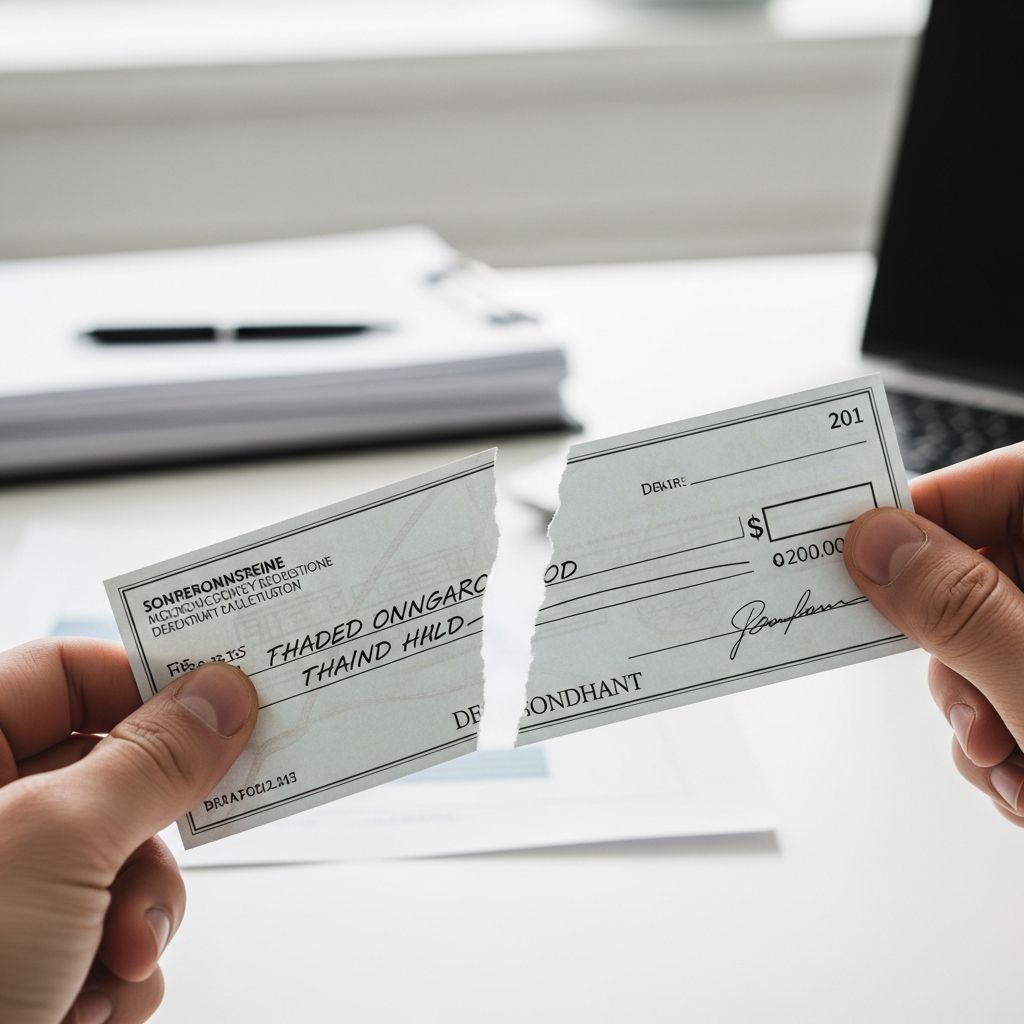
Canceling a check is a crucial financial skill that every checking account holder should understand. Whether you wrote a check for the wrong amount, lost your checkbook, or need to dispute a transaction, acting quickly can prevent funds from being withdrawn from your account. Understanding the process and acting promptly are essential to successfully stop a payment before it clears.
Once a check enters the clearing process, your bank cannot reverse the transaction, making timely action critical. This comprehensive guide walks you through the four essential steps to cancel a check and protect your finances.
Step 1: Verify the Check Hasn’t Been Processed Yet
The first and most important step in canceling a check is verifying that it hasn’t already been processed. Time is of the essence, as checks can clear within 24 hours of deposit, especially with mobile check deposits becoming increasingly common. Check your account activity immediately to confirm the payment hasn’t cleared.
To verify the check status, review your recent transactions through three convenient options:
- Online banking platform on your bank’s website
- Your bank’s mobile app
- Customer service phone line
If you don’t see the check amount listed as a completed transaction, you still have time to act. However, it’s crucial to understand that different checks clear at different speeds. Some banks allow you to temporarily freeze your account through their mobile app while you prepare to request a stop payment. This preventative measure stops any checks from clearing, though remember it will also block legitimate transactions.
Before calling your bank, check your account status yourself. Knowing the current status helps you communicate more effectively with bank representatives and ensures you take action before the check clears.
Step 2: Gather Your Information
Before contacting your bank to request a stop payment, collect all essential details about the check. Having this information readily available streamlines the process and helps your bank locate the specific check quickly.
Essential information to gather includes:
- Check number
- Check amount (exact dollar figure)
- Date the check was written
- Payee name (who the check was made out to)
- Your account number
- Routing number
Your bank might also request information about why you’re canceling the check. Common reasons include:
- Check written for the wrong amount
- Check made out to the wrong payee
- Disputing the transaction
- Check was stolen or lost
Having this information prepared before contacting your bank ensures a smoother conversation and faster processing of your stop payment request.
Step 3: Contact Your Bank and Pay the Fee
Most banks charge a fee to process a stop payment request, typically ranging from $15 to $35 depending on your financial institution. However, this fee is usually worthwhile to prevent unauthorized fund withdrawals. Your bank offers three convenient methods to request a stop payment:
Online Banking (Often Cheapest)
Many banks offer the most economical option through their online banking platform. Look for “stop payment” or “cancel check” options in your account dashboard. This method typically costs less than other options and creates an automatic written record of your request, providing documentation for your records. If your current bank’s online platform is difficult to navigate, consider comparing Bankrate’s best online banks to find an institution with superior digital banking services.
Phone
Call the customer service number on your debit card to speak with a bank representative. Have your account information ready and be prepared to verify your identity through security questions or other authentication methods. Phone representatives can answer additional questions about the stop payment process and provide personalized guidance.
In Person
Visit a branch location if you prefer face-to-face service or need additional assistance with your stop payment request. Bank employees can help you complete the necessary paperwork and answer any questions about the process. This option is particularly helpful if you’re unfamiliar with online banking or phone procedures.
Step 4: Understand the Duration of Your Request
An important factor many people overlook is that stop payment requests aren’t permanent. The duration of your stop payment request depends on how you submitted it:
| Submission Method | Typical Duration | Cost |
|---|---|---|
| Online Banking | 6 months | $15-20 |
| Phone Request | 14 days (verbal) | $20-25 |
| Written Request (In Person) | 6 months | $20-35 |
Monitor your account regularly during this period to ensure the stop payment remains active and the check doesn’t accidentally clear. Bank processing errors can occur, and catching issues immediately prevents complications. If you submitted a verbal request over the phone, remember that it typically lasts only 14 days, after which you’ll need to submit a new request if the check still hasn’t cleared.
When Should You Cancel a Check?
Understanding when to cancel a check helps you make informed financial decisions. Common scenarios that warrant check cancellation include:
- Payment Amount Error: You realize the check was written for the wrong amount, either too much or too little
- Wrong Payee: The check was made out to the incorrect person or business
- Lost or Stolen Check: Your checkbook was lost or a blank check was stolen
- Transaction Dispute: You need to dispute a payment with the recipient
- Duplicate Payment: You accidentally wrote the same check twice
- Payment Already Made: You paid the same bill or person through an alternative method
What Happens After You Request a Stop Payment
Once your bank processes the stop payment request, they begin monitoring for the specific check. Understanding what happens next helps you know what to expect:
If someone attempts to deposit or cash the check, the bank will reject the transaction and return the check to the depositing institution. The person holding the check will typically receive notification that payment was stopped. They may contact you to resolve the issue or request a replacement payment method.
Keep detailed records of your stop payment request, including confirmation numbers, dates, and the name of the bank representative who processed your request. This documentation proves you took appropriate action if questions arise later and provides evidence of your request if disputes emerge.
Important consideration: Even after requesting a stop payment, continue monitoring your account regularly. Bank processing errors can occur, and you want to catch any issues immediately. Set calendar reminders to check your account during the stop payment period.
Frequently Asked Questions
Q: How long does it take for a stop payment request to take effect?
A: Stop payment requests typically take effect immediately for online requests, though it may take 24 hours for phone or in-person requests. Your bank will provide a confirmation timeline when you submit your request.
Q: Can I cancel a check that’s already been cashed?
A: No, once a check has been cashed and cleared, it cannot be canceled. However, you may be able to dispute the transaction or file a claim if the payment was unauthorized or fraudulent.
Q: What if the stop payment request doesn’t work?
A: If the check clears despite your stop payment request, contact your bank immediately. Bank errors do occur, and your bank may be able to reverse the transaction or provide other remedies.
Q: Is there a way to avoid stop payment fees?
A: Some banks waive stop payment fees for customers with premium checking accounts or during specific promotional periods. Contact your bank to ask about fee waivers or discuss your account options.
Q: Can I renew a stop payment request if it expires?
A: Yes, you can submit a new stop payment request before the original one expires. Many banks allow you to renew the request for another six-month period for an additional fee.
Q: What’s the difference between a stop payment and freezing my account?
A: A stop payment targets a specific check, while account freezing prevents all checks from clearing. Account freezing is temporary and blocks legitimate transactions, so use it only as a short-term protective measure while arranging a stop payment.
Q: Do all banks charge the same stop payment fee?
A: No, stop payment fees vary by bank, typically ranging from $15 to $35. Contact your specific bank for their exact fee schedule and policies.
References
- How To Cancel A Check: 4 Important Steps — Bankrate. 2025. https://www.bankrate.com/banking/checking/how-to-cancel-a-check/
- Federal Reserve System – Check Clearing for the 21st Century Act (Check 21) — Federal Reserve Board. https://www.federalreserve.gov/
- Consumer Financial Protection Bureau – Checking Accounts — CFPB. https://www.consumerfinance.gov/
Similar Articles








Read full bio of medha deb