How To Calculate The Square Feet Of A House
Master home square footage calculation: Essential guide for sellers, buyers, and homeowners.
When you’re buying a new home, selling your current property, or planning renovations, understanding how to calculate your home’s square footage is essential. While it might seem like a simple metric, square footage is one of the most critical factors that determine a property’s value and impacts numerous real estate decisions. Accurate measurements can mean the difference between fair pricing and significant financial consequences.
According to real estate professionals, miscalculating square footage creates a cascading effect on property valuation. “If you mis-measure a property, it’s a domino effect — it’s going to throw the whole value off,” explains Marlon Day, senior director of Quest Valuation & Advisors in Atlanta. This underscores why learning to measure your home correctly is so important.
Why Is Square Footage Important?
Square footage serves multiple critical purposes in real estate and homeownership. Understanding these reasons will help you appreciate why taking accurate measurements matters.
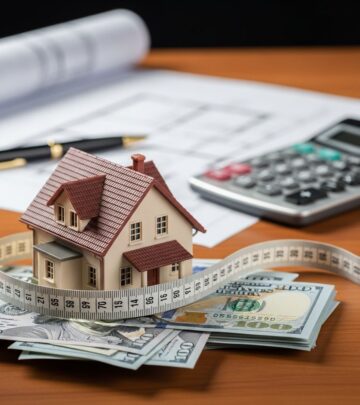
Setting Your Asking Price: If you’re preparing to list your home for sale, determining the property’s exact size is crucial when establishing your asking price. Real estate professionals compare properties to similar homes in the area—known as “comps”—to determine fair market value. An inaccurate square footage measurement could result in an inaccurate appraisal price, potentially costing you thousands of dollars.
Mortgage and Lending Decisions: Square footage matters significantly in real estate transactions involving mortgages. Lenders require this information to verify what the property is actually worth and to ensure the loan amount aligns with the property’s true value.
Property Tax Assessment: If your county or municipality assesses higher property taxes than you believe you should owe, confirming your home’s accurate square footage can be a powerful tool in requesting a reassessment and potentially reducing your tax burden.
Building Permits and Renovations: If you decide to finish previously unused spaces—such as a basement or attic—you’ll likely need to provide square footage documentation to obtain building permits from your local authority.
Home Valuation and Equity: Homes are valued and priced based on their livable square feet. Generally, the more livable square feet a property contains, the higher its market value, making accurate measurements fundamental to understanding your home’s worth.
Tools and Supplies You’ll Need
Before you begin measuring your home, gather these essential supplies to ensure accurate calculations:
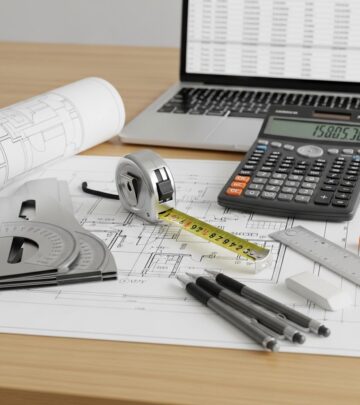
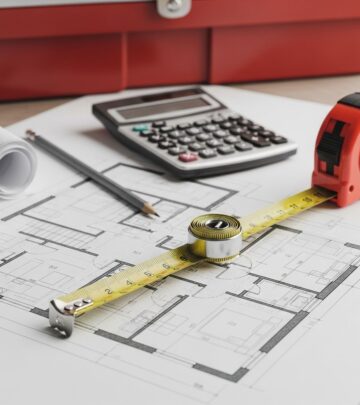
– Paper and pencil for sketching and notes- Calculator for computing totals- Measuring tape (at least 25 feet long)- Laser measuring tool (optional but recommended for accuracy)
These basic tools will enable you to take precise measurements throughout your home. Laser measuring tools can be particularly helpful for larger spaces or when measuring alone, as they provide digital readouts that reduce human error.
Step-by-Step Guide to Measuring Square Footage
Follow this comprehensive process to accurately calculate your home’s total square footage:
Step 1: Create a Floor Plan Sketch
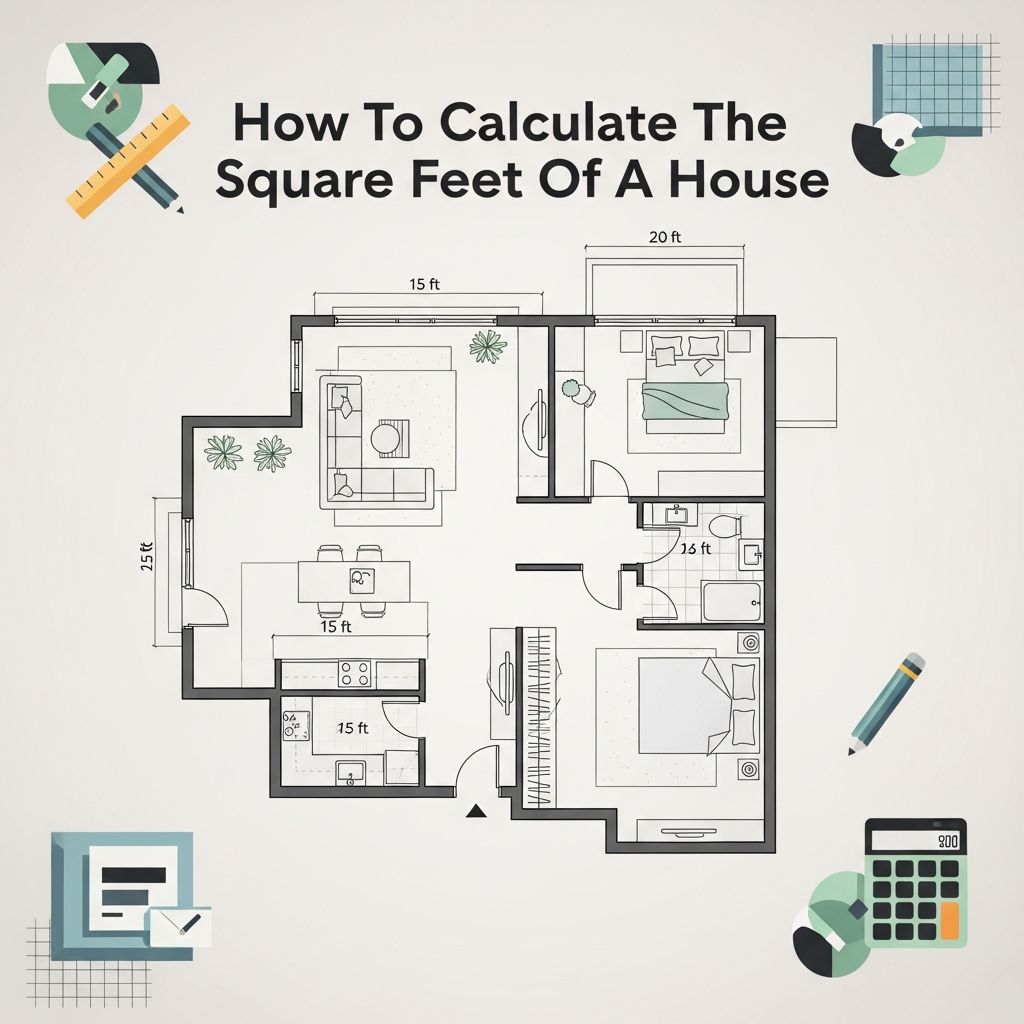
Begin by drawing a rough sketch of your entire home on paper. Label all rooms you need to measure, including often-overlooked spaces like hallways, vestibules, closets, and entryways. Treating each distinct area as its own “room” ensures you don’t miss any square footage. This sketch will serve as your reference guide and help you organize your measurements systematically.
Step 2: Measure Each Room
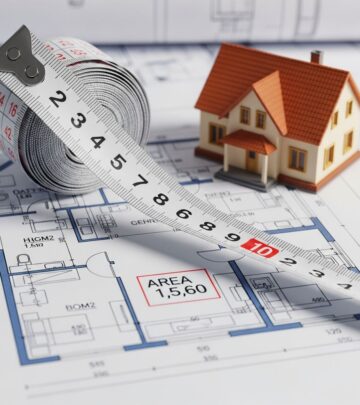
For each room in your sketch, measure the length and width in feet. Use your measuring tape or laser tool to get the most accurate readings. Take measurements from wall to wall, including any built-in features. Write down each measurement next to the corresponding room on your sketch to avoid confusion later.
Step 3: Calculate Individual Room Square Footage
For each room, multiply the length by the width to determine that room’s square footage. For example, if a bedroom measures 12 feet by 20 feet, the square footage is 240 square feet (12 × 20 = 240). Write this total in the corresponding space on your sketch for easy reference.
Step 4: Sum All Room Measurements
Once you’ve measured and calculated every room’s square footage, add all the individual measurements together to determine your home’s total square footage. This cumulative total represents your property’s gross living area (GLA).
Quick Calculation for Simple Rectangular Homes
If your property is a perfect rectangle with a single story, the calculation is straightforward. Simply measure the length and width of the entire structure and multiply those two numbers together.
Example: If your one-story house is 60 feet wide by 40 feet long, then your property is 2,400 square feet (60 × 40 = 2,400).
For two-story rectangular homes with identical floor plans on both levels, you can measure the first floor and multiply that result by two. For instance, a ranch-style home measuring 50 feet by 40 feet would have a first-floor square footage of 2,000 feet (50 × 40 = 2,000). If the second floor is identical, the total would be 4,000 square feet (2,000 × 2 = 4,000).
Measuring Different Property Types
Whether you live in a house, condo, or townhouse, the same measurement principles apply. However, some property types offer additional resources:
Condos and Townhouses: If you live in a tract home, condo, or townhouse community, you may be able to request architectural drawings or master builder plans from your community’s developer or homeowners association. These professional floor plans often include pre-calculated square footage, saving you time and ensuring accuracy.
Multi-Level Properties: For homes with multiple levels, measure each floor separately and add the totals together. Remember to include basements if they’re finished spaces, but exclude unfinished basements from your livable square footage calculation.
Important Considerations When Measuring
Keep these important factors in mind as you measure your home:
– Hallways and Vestibules: Include these spaces in your measurements, as they contribute to total square footage- Closets: Measure closet space and include it in the room’s total square footage- Built-in Features: Include shelving, built-in cabinets, and other permanent fixtures in your measurements- Irregular Shapes: For non-rectangular rooms, break them into smaller rectangular sections, calculate each section separately, then add them together- Unfinished Spaces: Generally, only measure finished living spaces; unfinished basements or attics typically aren’t included in GLA- Garages: Most appraisers don’t include garage square footage in the total living area calculation
Alternative Resources for Square Footage Calculations
If manual measurement seems overwhelming, several resources can help:
– Online Square Footage Calculators: Websites like Calculator Soup, the Calculator Site, and Calculator.net offer free square footage calculators that can help verify your manual calculations- Professional Home Appraisers: If you’re uncertain about your measurements or need official documentation, a professional home appraiser can provide an accurate assessment- Real Estate Agents: Local real estate agents often have experience measuring homes and can verify your calculations- County Records: Some counties maintain property records that include square footage information
How Square Footage Affects Home Value
Understanding square footage’s impact on valuation helps explain why accuracy matters so much. Real estate professionals use square footage as a fundamental metric when comparing properties. Homes with similar features in the same location typically sell at different prices based primarily on their size.
However, it’s worth noting that square footage alone doesn’t determine a home’s value. Unique architectural features, superior finishes, location desirability, lot size, and market conditions all influence final pricing. Square footage provides a foundation for value comparison, but numerous other factors contribute to the final appraisal.
Frequently Asked Questions
Q: What exactly counts as square footage in a home?
A: Square footage typically includes all finished, climate-controlled living spaces such as bedrooms, bathrooms, kitchens, living rooms, dining areas, hallways, and closets. Unfinished basements, garages, decks, and patios generally don’t count toward the gross living area (GLA) figure used for appraisals and valuations.
Q: Can I measure my home myself, or do I need a professional?
A: You can certainly measure your home yourself using basic tools like a measuring tape. However, for official appraisals or in cases where accuracy is critical for lending or tax purposes, a professional home appraiser may provide more authoritative measurements and documentation.
Q: How accurate do my measurements need to be?
A: For most purposes, measurements within a few inches of accuracy are acceptable. Professional appraisers typically aim for precision within a quarter inch, but for most homeowner needs, standard measuring tape accuracy is sufficient.
Q: What’s the difference between GLA and total square footage?
A: Gross Living Area (GLA) refers specifically to finished, climate-controlled living spaces. Total square footage might include additional areas like garages, unfinished basements, or porches. Real estate professionals typically use GLA for valuations.
Q: How often should I remeasure my home?
A: If you haven’t made significant renovations or additions, you typically only need to measure once. However, if you’ve finished basements, added rooms, or expanded living spaces, remeasuring ensures your documentation remains accurate for future sales or refinancing.
Q: Can incorrect square footage affect my property taxes?
A: Yes, property tax assessments often rely on square footage. If your assessed square footage is higher than the actual measurement, you may be paying more taxes than necessary. Providing accurate square footage documentation can help you contest an assessment and potentially reduce your tax burden.
Q: What should I do if my measurements don’t match public records?
A: Discrepancies between your measurements and public records can occur due to different measurement methods or outdated information. Contact your county assessor’s office to understand how they calculated their figure, and provide your measurements if you believe they have an error. Professional appraisals can help resolve significant discrepancies.
Conclusion
Calculating your home’s square footage accurately is a valuable skill that serves you throughout your homeownership journey. Whether you’re preparing to sell, refinancing, disputing property taxes, or planning renovations, precise square footage measurements provide the foundation for informed decisions and fair pricing. By following the step-by-step process outlined in this guide and utilizing the available resources, you can confidently determine your home’s square footage and protect your financial interests in real estate transactions.
References
- How To Calculate The Square Feet Of A House — Bankrate. 2024. https://www.bankrate.com/real-estate/determine-square-footage-of-home/
- How to Calculate the Square Footage of a House or Building — Retipster. 2024. https://retipster.com/how-to-calculate-the-square-footage-of-a-house-or-building/
- Guide to Calculating Square Feet: Step-by-Step Process — Den Outdoors. 2024. https://denoutdoors.com/blogs/guides/calculate-house-square-feet
- What’s The Average Square Footage Of A House? — Bankrate. 2024. https://www.bankrate.com/real-estate/average-square-feet-of-a-house/
- 8 Easy Ways To Increase Your Home’s Value — Bankrate. 2024. https://www.bankrate.com/home-equity/ways-to-increase-your-homes-value/
- Price Per Square Foot: How And Why To Use It — Bankrate. 2024. https://www.bankrate.com/real-estate/price-per-square-foot/
Similar Articles








Read full bio of medha deb