How to Buy Used Phones and Save Money Safely
Master the art of buying used phones without getting scammed. Learn where to shop, what to check, and how to secure the best deals.
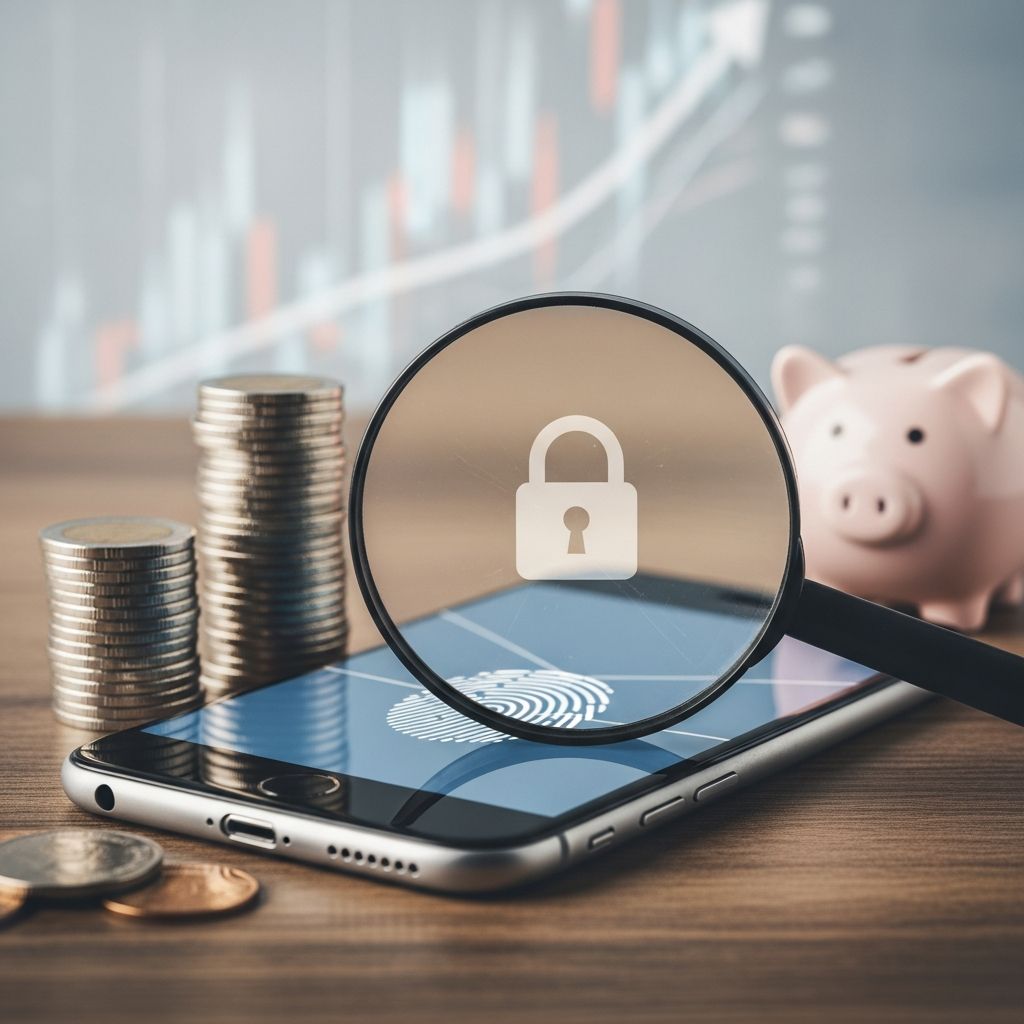
Upgrading your smartphone doesn’t have to drain your bank account. Buying a used or refurbished phone is an excellent way to save hundreds of dollars while still getting a quality device that works perfectly. However, navigating the used phone market requires knowledge and caution. This comprehensive guide will walk you through everything you need to know to make a smart purchase, avoid common pitfalls, and find incredible deals on devices from trusted sellers.
Where to Buy Used Phones: Trusted Platforms and Retailers
The platform you choose matters significantly when buying a used phone. Reputable marketplaces offer essential protections like warranties, return policies, and quality guarantees. Here are the most reliable options:
Peer-to-Peer Marketplaces
Swappa stands out as one of the safest peer-to-peer platforms for buying used phones. Every listing undergoes review by trained moderators, and sellers must provide the device’s IMEI number to combat blacklisted or stolen phones. Prices tend to be lower than retailer sites, and you can negotiate directly with sellers to potentially secure an even better deal.
Certified Pre-Owned Retailers
Gazelle specializes in phones that have undergone rigorous 30-point inspections. Each device comes with a 30-day return policy, giving you time to thoroughly test your new purchase and ensure it meets your expectations.
Decluttr focuses on delivering exceptional value, particularly for older phone models. Their offerings include a 12-month limited warranty and free shipping, making purchases virtually risk-free for buyers.
Back Market operates as the Amazon for refurbished electronics. Every phone receives a quality grade ranging from “Excellent” to “Fair,” and all devices include a one-year warranty as standard protection.
Amazon Renewed provides phones that have been refurbished by Amazon-approved vendors. You benefit from Amazon’s legendary customer service and return policies, creating a strong safety net for your purchase.
Apple Certified Refurbished represents arguably the best option for purchasing used iPhones. These devices are essentially like-new, arrive with brand-new batteries, and carry a one-year Apple warranty that provides peace of mind.
Retailers and Carriers
Best Buy frequently offers attractive deals on open-box and refurbished phones, including both carrier-locked and unlocked models. Their in-store return policy adds an extra layer of convenience and assurance.
Caution with Local Listings
While platforms like Craigslist and Facebook Marketplace can yield substantial savings, exercise extreme caution when dealing with private sellers. Always insist on meeting in a public location with good lighting and security cameras. Most importantly, verify the phone’s IMEI number before any money exchanges hands. This simple step protects you from purchasing stolen or blacklisted devices.
Refurbished vs. Used Phones: Understanding the Key Differences
Distinguishing between “used” and “refurbished” phones is crucial for setting realistic expectations and making an informed purchase decision.
What Are Used Phones?
Used phones are typically sold by private individuals and have not undergone any professional inspection or repair process. While they may function perfectly well, they might harbor hidden issues or defects. Some used phones come unlocked, though this isn’t guaranteed. The primary disadvantages are the absence of warranties or return policies, combined with the likelihood of cosmetic imperfections. The advantage? Significantly lower prices. However, you’ll need to conduct thorough research and inspection before purchasing.
What Are Refurbished Phones?
Refurbished phones are sold by retailers or manufacturers following professional inspection and repair. The refurbishment process includes battery replacement, repair of defective components, and restoration of software to factory settings. These phones typically come with a warranty spanning from 90 days to one year, providing substantial protection. Refurbished devices represent an excellent middle ground between the bargain pricing of used phones and the premium cost of new devices.
Which Should You Choose?
If you’re new to purchasing used technology or prioritize security and peace of mind, refurbished phones are your best choice. If you possess technical expertise, know how to thoroughly inspect devices, and want maximum savings, a used phone from a reputable seller might be ideal.
Essential Checks Before Purchasing
Before committing to any used phone purchase, perform these critical verifications:
IMEI and Carrier Status
IMEI verification is non-negotiable. Always check the phone’s IMEI or ESN (Electronic Serial Number) to ensure it isn’t blacklisted or reported stolen. You can perform this verification on Swappa or directly through carrier websites like Verizon or T-Mobile. This single step prevents you from purchasing a device that cannot be activated on any network.
Carrier compatibility is equally important. Confirm the device works on your preferred network. If it’s locked to another carrier, unlocking may prove difficult or expensive. Look specifically for “unlocked” or “universal” listings when shopping.
Battery Health Assessment
Battery condition significantly impacts long-term device satisfaction. For iPhones, navigate to Settings > Battery > Battery Health to view the current capacity percentage. A healthy battery maintains 85% capacity or higher. Android users can utilize apps like AccuBattery to obtain similar battery health information. A degraded battery requires replacement, which represents an additional expense.
Physical Condition Inspection
Carefully examine the device’s exterior and interior. Look for scratches, chips, and cracks that might indicate rough handling or drops. Test all physical connections by plugging in a charger and headphones to verify ports function correctly. These visible signs often indicate whether the previous owner maintained the device properly.
Connectivity Testing
Power on the device and enable Wi-Fi, Bluetooth, and GPS to confirm these critical features work properly. Connectivity issues can be expensive to repair and significantly diminish device usability.
Reset Status and Activation Lock
Ensure the phone has undergone a factory reset and the previous owner’s data is completely removed. For iPhones specifically, confirm that Activation Lock has been disabled. A phone with Activation Lock enabled cannot be activated by anyone other than the previous owner, rendering it essentially worthless.
Timing Your Purchase for Maximum Savings
Smart timing can substantially improve your savings when buying used phones:
- Buy during launch cycles: New smartphone models typically launch in the fall (September for iPhones). Previous model prices drop most significantly during these periods as the market shifts to newer devices.
- Monitor flash sales: Many platforms run periodic flash sales or provide early access to email subscribers. Signing up for site alerts and newsletters ensures you never miss limited-time deals.
- Compare platforms: Don’t purchase from the first seller you find. Compare listings across Back Market, Decluttr, Amazon Renewed, and Swappa to identify the best pricing.
Negotiation and Price Optimization Strategies
Negotiate politely with sellers on platforms like Swappa or Facebook Marketplace. Most sellers are open to reasonable offers. Approach negotiations respectfully, reference comparable market prices, and make fair counteroffers based on market research.
When evaluating prices, remember to factor in shipping and taxes. An apparently great deal can quickly become mediocre once high shipping fees are added. Similarly, state and local taxes can push the final price above your budget. Calculate the total landed cost before finalizing any purchase.
Frequently Asked Questions
Q: What’s the biggest advantage of buying a refurbished phone over a new one?
A: The primary advantage is cost savings. Refurbished phones typically cost 30-50% less than new devices while offering similar performance and reliability, with the added security of manufacturer warranties and quality inspections.
Q: Can I return a used phone purchased from a private seller?
A: Return policies vary significantly depending on the platform and seller. Most peer-to-peer marketplaces like Swappa don’t guarantee returns, while certified retailers like Gazelle and Back Market offer 30-day to one-year return windows.
Q: How can I verify a phone hasn’t been stolen?
A: Check the IMEI or ESN number through carrier websites or verification platforms like Swappa. This check confirms the device isn’t blacklisted or reported lost or stolen.
Q: Is buying a used phone from Facebook Marketplace safe?
A: It can be safe if you take proper precautions. Always meet in public, well-lit locations with security cameras, verify the IMEI before payment, and inspect the device thoroughly before completing the transaction.
Q: What should I do if the battery health is below 85%?
A: Batteries below 85% capacity may require replacement soon. Factor this cost into your purchase decision, or use it as a negotiation point to lower the asking price if you decide to proceed.
Q: Are iPhones better investments than Android phones when buying used?
A: iPhones generally hold their value better than Samsung and other Android brands, and there are more iPhones available in the used market. However, quality Android devices can still represent excellent value purchases.
Q: How long do refurbished phones typically last?
A: Quality refurbished phones, especially those from certified retailers or manufacturers, typically last as long as new phones. The key is choosing reputable sources that conduct thorough inspections and replace worn components like batteries.
Final Thoughts on Smart Used Phone Shopping
Buying a used or refurbished phone represents an intelligent financial decision that can save you substantial money without compromising on quality or reliability. By choosing reputable platforms, conducting thorough verification checks, and timing your purchase strategically, you can confidently navigate the used phone market and secure an exceptional device at an unbeatable price. Remember that the lowest price isn’t always the best deal—prioritize platforms with strong buyer protection, warranty coverage, and verification processes to ensure your purchase provides genuine value and peace of mind.
References
- How to Buy Used Phones to Save Money (Without Getting Scammed) — The Penny Hoarder. 2025-12-15. https://www.thepennyhoarder.com/save-money/buy-used-phones/
- Best Ways to Sell Your Phone for the Most Money — The Penny Hoarder. 2024-08-10. https://www.thepennyhoarder.com/make-money/sell-your-phone-for-the-most-money/
- Buying a Refurbished Phone: What to Look Out For — YouTube. 2023-09-22. https://www.youtube.com/watch?v=_RcdkVtvws4
- Federal Communications Commission (FCC) – IMEI Number Guidance — FCC. 2024-01-15. https://www.fcc.gov/consumers/guides-and-faqs
- Consumer Reports: How to Buy Used Electronics Safely — Consumer Reports. 2024-11-20. https://www.consumerreports.org/
Similar Articles








Read full bio of medha deb