How to Buy a Mobile Home: Complete Financing Guide
Discover affordable mobile home financing options including FHA loans, VA loans, and personal loans for your dream home.
How to Buy a Mobile Home: A Complete Financing Guide
Mobile homes, also known as manufactured homes, offer a cost-effective alternative to traditional site-built homes. With the median price of traditional homes exceeding $416,900 in the U.S., manufactured homes present an attractive option for budget-conscious buyers. The average manufactured double-wide home costs approximately $145,200, making homeownership more accessible to a wider range of buyers. However, financing a mobile home differs significantly from purchasing a traditional home, requiring prospective buyers to explore alternative lending options.
Unlike conventional mortgages used for traditional homes, most traditional mortgage lenders don’t offer financing for mobile homes due to their lower sales prices and high rates of depreciation. This shouldn’t discourage you, however, as several viable financing options exist through government-backed programs and specialized lenders. Understanding these options will help you make an informed decision about your mobile home purchase.
Why Mobile Homes Are an Affordable Housing Solution
Mobile homes have emerged as a practical solution to the affordable housing crisis facing many Americans. The lower purchase price compared to traditional homes makes them accessible to first-time homebuyers, retirees, and families seeking to reduce housing costs. Beyond affordability, mobile homes offer flexibility in terms of location and lifestyle, allowing owners to choose from individual homesites, manufactured home communities, or leasehold estates.
The cost advantage becomes even more apparent when considering median monthly housing costs for manufactured homes, which run approximately 40% lower than traditional site-built homes. This significant savings extends to other homeownership expenses, making mobile home ownership a financially prudent choice for many.
Understanding Your Mobile Home Financing Options
Several financing pathways exist for purchasing a mobile home, each with distinct advantages and requirements. The right option depends on your credit score, down payment capability, employment status, and personal circumstances.
FHA Title I and Title II Loans
The Department of Housing and Urban Development (HUD) offers mobile home loans through the Federal Housing Administration (FHA) loan program, which includes Title I and Title II options. FHA loans are designed to make homeownership accessible to borrowers with lower credit scores or limited down payment funds.
Under the Title I Manufactured Home Loan Program, FHA-approved lenders make loans to eligible borrowers to finance the purchase or refinance of a manufactured home. These loans typically feature average rates around 6.92% with a minimum credit score requirement of 500, and terms extending up to 30 years. The home must meet the Model Manufactured Home Installation Standards and be installed on a homesite meeting local standards with adequate water supply and sewage disposal facilities.
Title II loans offer similar benefits but may have different requirements regarding property classification and land ownership. Both loan types require borrowers to intend to occupy the manufactured home as their principal residence and possess a suitable site for placement.
Fannie Mae Manufactured Housing Programs
Fannie Mae offers conventional financing through the Manufactured Housing (MH) Advantage program, providing an excellent option for qualified borrowers. These mortgages come with 30-year financing terms and down payments as low as 3 percent, making them comparable to traditional mortgage offerings. Interest rates on MH Advantage mortgages tend to be lower than most traditional loans for manufactured homes, providing significant savings over the loan term.
To qualify for Fannie Mae financing, you must satisfy several eligibility criteria. The home must be installed with a driveway and a sidewalk connecting the driveway, carport, or detached garage. Additionally, the home must meet certain construction, architectural design, and energy efficiency standards similar to those of site-built homes. Fannie Mae has also expanded access to MH Advantage to include single-width manufactured homes and homes with CHOICEHome labels.
Fannie Mae offers loans for manufactured homes in leasehold estates within approved homeowners associations (HOA) or condo projects, and partners with Community Land Trusts to make homeownership even more affordable.
Freddie Mac Manufactured Home Programs
You may obtain conventional financing for a manufactured home through the Freddie Mac Home Possible mortgage program. Down payments begin at just 3 percent, and in some cases, you can use gifted or grant money to help cover the upfront costs. This flexibility makes Freddie Mac an attractive option for first-time homebuyers who may not have substantial savings.
Freddie Mac also offers manufactured home financing through their CHOICEHome Mortgage program. To qualify for either Freddie Mac program, homes must meet the same requirements as site-built homes and satisfy certain eligibility factors. The minimum credit score requirement is typically 680, with rates varying based on individual circumstances.
VA Loans for Eligible Veterans
Veterans and active-duty service members may qualify for VA loans to finance manufactured homes. These loans offer unique advantages, including the possibility of obtaining up to 100 percent financing on manufactured home loans. However, borrowers must pay a one-time funding fee, which typically ranges from 1.25 to 3.3 percent of the purchase price, depending on the size of your down payment and whether you’ve previously borrowed a VA loan.
To utilize a VA loan for a manufactured home purchase, you’ll need an affidavit of affixture, which proves the property is attached to land you own and meets certain local and VA requirements. This documentation is essential for completing the VA loan application process.
Chattel Loans
Chattel loans represent another financing option for mobile homes, particularly when financing just the home itself without the land. These loans treat the manufactured home as personal property rather than real estate. Chattel loans typically have starting rates around 5.99%, minimum credit score requirements of 575, and terms extending up to 20 years.
Personal Loans
Mobile homes are significantly cheaper than traditional homes, making personal loans a viable financing option for many buyers. Because personal loans are flexible, you can use them for almost any purpose, including buying a mobile home. Personal loans typically have average rates around 12.65%, minimum credit score requirements of 600, and terms up to 7 years.
The primary advantage of personal loans is their flexibility and speed. You don’t need to provide collateral, meaning you won’t lose your home if you default on a personal loan. Additionally, the application process tends to be shorter and involves less paperwork compared to secured loans.
However, personal loan interest rates tend to be higher than secured loans such as mortgages or auto loans. This higher cost is the trade-off for the increased flexibility and reduced application complexity.
Steps to Finance Your Mobile Home Purchase
1. Assess Your Financial Situation
Before beginning your mobile home search, thoroughly evaluate your financial position. Determine how much you can afford for a down payment, check your credit score, and gather documentation of your income and employment history. This preparation will streamline the application process and help you identify which financing options best suit your circumstances.
2. Determine Your Budget and Down Payment
Calculate how much you can afford to spend on a mobile home and determine your available down payment funds. Different loan programs require varying down payment percentages, ranging from zero percent for some VA loans to 5 percent for conventional Freddie Mac loans. Having clarity on these figures will help narrow your options.
3. Research and Compare Financing Options
Choose the type of loan you’ll use and compare different lenders’ offerings. Mobile home interest rates and fees can vary widely by lender, so take the time to shop around. Try to find a loan that has few fees and low rates so you can minimize your borrowing costs. Consider the long-term implications of each option, not just the initial rates.
4. Submit Your Loan Application
You’ll want to ensure that your application is as complete and transparent as possible. In addition, many lenders require a down payment, so be prepared to make one when you complete your application. Gather all necessary documentation, including proof of income, employment history, credit authorizations, and identification.
5. Locate a Suitable Manufactured Home
Work with dealers or retailers that sell manufactured homes to find the right property. Ensure the home meets any specific requirements of your chosen financing program. Manufactured homes are usually purchased through dealers or retailers that sell the homes, and these dealers can often connect you with lenders specializing in manufactured home financing.
Important Considerations Before Purchasing
Home Age and Condition
Ensure the manufactured home isn’t too old to qualify for your chosen financing program. Some lenders have restrictions on the age of homes they’ll finance. Inspect the home thoroughly to understand its condition and any maintenance needs.
Property Location and Site Requirements
Verify that you have a suitable location for the manufactured home. The home may be situated on an individual homesite owned or leased by you, within a manufactured home community, or on leasehold property in an approved HOA or condo project. Different financing programs have varying requirements regarding property type and installation specifications.
Insurance Considerations
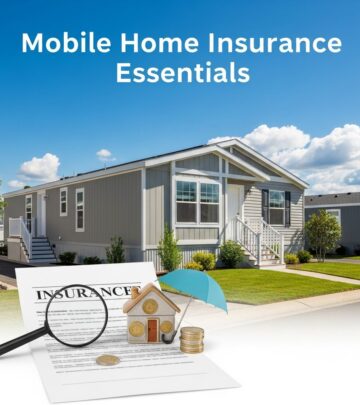
Mobile home insurance differs from traditional homeowners insurance and typically doesn’t include coverage for hurricanes, earthquakes, and flood events without add-on protection. Research insurance options and costs in your area, as these expenses will impact your total cost of homeownership.
Financing Comparison Table
| Loan Type | Average Rates | Minimum Credit Score | Maximum Term | Minimum Down Payment |
|---|---|---|---|---|
| FHA | 6.92% | 500 | 30 years | 3.5% |
| Fannie Mae MH Advantage | Varies | 620 | 30 years | 3% |
| Freddie Mac Home Possible | Varies | 680 | 30 years | 3% |
| VA Loans | Varies | Varies | Up to 30 years | 0% |
| Chattel | Starting at 5.99% | 575 | 20 years | Varies |
| Personal Loans | 12.65% | 600 | 7 years | Varies |
Frequently Asked Questions About Mobile Home Financing
Q: Can I use a conventional mortgage to buy a mobile home?
A: In most cases, no. Conventional mortgages are designed for site-built homes. However, Fannie Mae and Freddie Mac offer conventional financing programs specifically for manufactured homes that meet certain criteria, providing mortgage-like terms and rates.
Q: What is the difference between a chattel loan and a mortgage for a manufactured home?
A: A chattel loan treats the manufactured home as personal property, while a mortgage treats it as real estate. Chattel loans typically have higher interest rates and shorter terms but may require less documentation and be faster to process. Mortgages offer longer terms and potentially better rates but require the home to be classified as real property.
Q: What credit score do I need to qualify for mobile home financing?
A: Credit score requirements vary by lender and loan program. FHA loans are the most lenient, accepting scores as low as 500, while other programs may require scores between 575 and 680. Check with individual lenders to understand their specific requirements.
Q: Can I use gift money or grants for my down payment?
A: Yes, depending on your chosen loan program. Freddie Mac’s Home Possible program specifically allows gifted or grant money to cover down payment costs. Other programs may have similar provisions, so check with your lender.
Q: How long does it take to get approved for mobile home financing?
A: Personal loans and chattel loans typically have faster approval processes, sometimes taking just a few days. Government-backed loans like FHA may take longer, typically 1-2 weeks or more. The timeline depends on the completeness of your application and the lender’s processing speed.
Q: Do I need to own the land where I place my manufactured home?
A: Not necessarily. While some financing programs require land ownership, others allow placement in manufactured home communities or leasehold estates. Verify the requirements of your chosen loan program before committing to a property location.
Q: What is an affidavit of affixture?
A: An affidavit of affixture is a legal document that proves a manufactured home is permanently attached to land you own and meets local and VA requirements. This document is typically required for VA loans and helps classify the home as real property rather than personal property.
Q: Are interest rates for mobile home loans higher than traditional mortgages?
A: Yes, generally mobile home loan rates are higher than traditional mortgages, with the exception of Fannie Mae and Freddie Mac programs, which offer competitive rates. Personal loans have the highest rates. Shopping around and comparing lenders can help you secure the best possible rate.
Making Your Decision
Choosing the right financing option for your mobile home requires careful consideration of your financial situation, credit profile, and personal circumstances. Each loan program offers distinct advantages and trade-offs. FHA loans provide accessibility for borrowers with lower credit scores, Fannie Mae and Freddie Mac offer competitive rates and terms, VA loans benefit eligible service members, and personal loans provide speed and flexibility.
By thoroughly evaluating your options, comparing lender offerings, and ensuring the manufactured home meets all program requirements, you can successfully finance your mobile home purchase and achieve homeownership at an affordable price point.
References
- How to Finance a Mobile or Manufactured Home — Bankrate. 2025. https://www.bankrate.com/loans/personal-loans/how-to-buy-a-mobile-home/
- Financing Manufactured Homes (Title I) — U.S. Department of Housing and Urban Development. 2025. https://www.hud.gov/hud-partners/single-family-finance-manuf
- Manufactured Home Financing — Fannie Mae Single Family. 2025. https://singlefamily.fanniemae.com/originating-underwriting/mortgage-products/manufactured-home-financing
- Lenders — Georgia Manufactured Housing Association. 2025. https://www.gmha.com/lenders/
- Manufactured Home Financing Overview — Fannie Mae. 2025. https://singlefamily.fanniemae.com/originating-underwriting/mortgage-products/manufactured-home-financing
Similar Articles








Read full bio of medha deb