How to Buy Like a Pro at Country Auctions
Master the art of country auctions: tips for beginners to score antiques, furniture, and deals like seasoned pros.
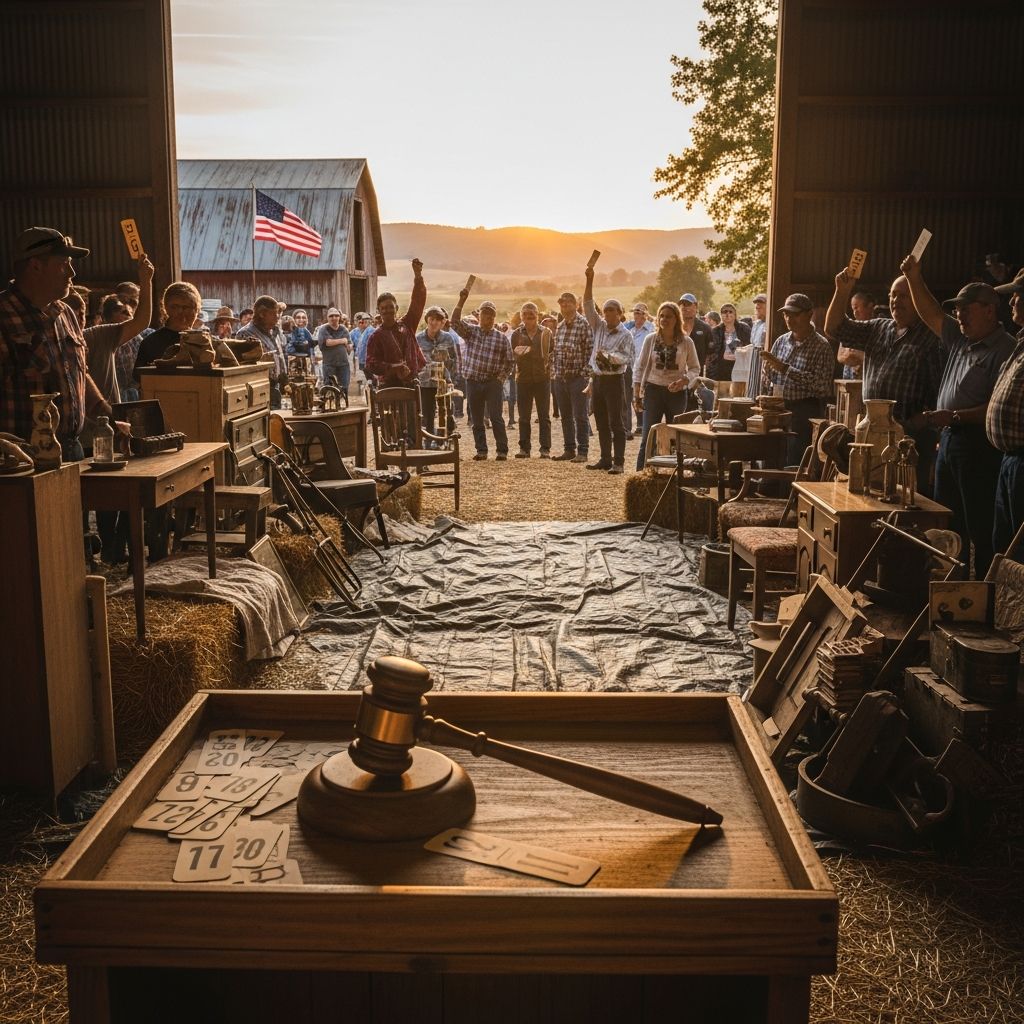
Country auctions offer a thrilling opportunity to snag high-quality antiques, furniture, tools, and collectibles at bargain prices. These events, often held in rural areas during estate sales or farm dispersals, attract savvy buyers looking for unique finds to keep or resell. Whether you’re a beginner or seasoned bidder, mastering a few key strategies can turn you into a pro, helping you secure deals while avoiding costly mistakes. This guide covers everything from preparation to post-auction evaluation, drawing on proven tactics used by experienced auction-goers.
Find the Right Auction
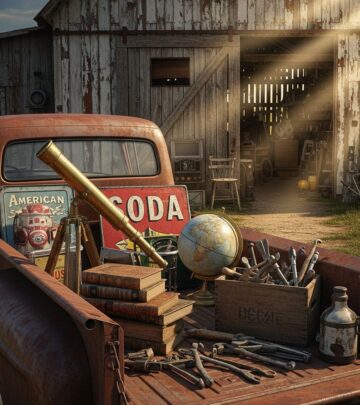
Success starts with selecting auctions that match your interests and budget. Country auctions are advertised in local newspapers, community bulletins, and online platforms like auctionzip.com or local Facebook groups. Look for terms like ‘estate auction,’ ‘farm dispersal,’ or ‘antiques and collectibles’ to gauge the inventory. Rural auctions often feature farm equipment, vintage tools, furniture from old homes, and unexpected treasures like pottery or signage.
Visit the preview if available, typically held a day or hours before bidding. This allows you to assess items without competition. Check auction house reputations—repeat sellers with good previews signal reliability. Set a date; weekends fill fast, so arrive early for prime seating.
- Research schedules: Weekly or bi-weekly auctions in farming communities yield consistent farm-related goods.
- Theme matching: Antiques auctions suit collectors; machinery sales appeal to restorers.
- Travel tip: Auctions 30-60 minutes away often have less competition than urban ones.
Prepare Before You Go
Preparation separates pros from novices. Bring cash—many country auctions are cash-only, with checks sometimes accepted but not cards. Estimate transport: trucks or trailers for furniture; tarps to protect items. Wear comfortable clothes and boots for outdoor or barn settings; auctions can last 4-8 hours.
Set a strict budget per category. Pros allocate totals like $500 for furniture, $200 for smalls. Research values using apps like WorthPoint or eBay ‘sold’ listings for antiques. Know your max bid before arriving to combat ‘auction fever’—the adrenaline rush that inflates spending.
| Item Category | Budget Example | Prep Checklist |
|---|---|---|
| Antiques/Collectibles | $100-300 | Value guide, magnifier for marks |
| Furniture | $200-500 | Measuring tape, flashlight |
| Tools/Machinery | $50-200 | Wrenches for testing |
| Box Lots | $20-100 | Gloves for digging |
Register and Get Your Number
Registration is simple: provide name, address, and phone for a bidder number. Pros recommend using a non-personal number like ‘Bidder 42’ instead of your house number for privacy. Fill out forms accurately; some require deposits for high-value items.
Paddle numbers are your identity—hold it high when bidding. Sit near the front or auctioneer for better views, but not too close to avoid signaling interest. Arrive 30-60 minutes early to register and scout seats.
Inspect Items Thoroughly
Previews are goldmines. Pros inspect every item: flip furniture for construction quality, check drawers for functionality, test electrics if applicable. For antiques, examine marks, patina, and repairs. Tools should move smoothly; avoid rusted or seized parts.
Box lots hide gems—peek inside without disturbing. Note condition codes: ‘as-is’ means no returns. Use senses: smell for smoke/mold, listen for creaks, feel for stability.
- Red flags: Fresh paint, glued joints, mismatched hardware.
- Green lights: Original finishes, maker marks, honest wear.
- Tools tip: Spin wheels, pump handles to test mechanics.
Understand Auction Lingo
Auctioneers chant rapidly: ‘Going once, twice, sold!’ Terms like ‘lot’ mean grouped items, ‘reserve’ is minimum price, ‘buyer’s premium’ adds 10-20% fee. ‘Chant speed’ varies—slow rural ones aid beginners.
Listen for ‘out,’ signaling external phone/internet bids. ‘Choice’ lets you pick from multiples. Pros nod subtly to bid, avoiding paddle waves that alert competitors.
Bid Smart, Not Emotional
Bid confidently but strategically. Start low, increment slowly. Pros use ‘left bid’ (nod to auctioneer) for discretion. Set personal limits; walk away if over.
Watch competitors: aggressive bidders on one item may skip others. Bid on under-attended lots early. For multiples, bid once for the lot.
- Observe first 30 minutes to gauge crowd and pricing.
- Bid on planned items only.
- Ignore sunk cost; skip if price climbs.
Box Lots: Hidden Treasures
Box lots bundle miscellaneous items, often undervalued. Pros dig for resale stars like vintage glassware, hardware, or small tools amid junk. Expect 20-50% profit margins on keepers; donate or trash rest.
Bid low—$5-50 typical. Examples: Avon bottles, old taillights, boat emblems fetch premiums online.
Pay and Transport Immediately
Pay promptly post-hammer; lines form fast. Load items yourself—clerks assist minimally. Secure loads to prevent damage. Pros tag wins during bidding for quick collection.
Factor fees: 10-15% buyer’s premium, plus tax. Cash speeds checkout.
Post-Auction: Clean, Repair, Resell
Home evaluation is key. Clean gently: soap for wood, polish for metal. Minor repairs boost value—glue loose parts, touch-up scratches. Photograph for records.
Resellers list on eBay, Facebook Marketplace, or local shops. Track ROI: a $25 crock might sell for $75. Store properly to maintain condition.
Common Mistakes to Avoid
Auction fever: Emotional overbidding—stick to pre-set limits.
Poor inspection: Missing defects leads to regrets.
No transport plan: Can’t haul? Pass big items.
Ignoring fees: Premiums inflate costs 20%.
Overcrowded bids: Skip hotly contested lots.
Frequently Asked Questions (FAQs)
Q: Are country auctions good for beginners?
A: Yes, slower pace and friendly crowds make them ideal starters. Preview and budget strictly.
Q: What should I bring to an auction?
A: Cash, bidder number tools (tape, flashlight), transport vehicle, gloves, and value guides.
Q: Can I resell auction finds?
A: Absolutely—many pros buy for profit on antiques, tools, and vintage items like Crocks or Jewel Tea.
Q: What’s the best bidding strategy?
A: Bid discreetly, know your max, observe competitors, focus on undervalued lots.
Q: Are there buyer’s premiums?
A: Often 10-20%; factor into bids.
Advanced Pro Tips
Build relationships with auctioneers for insider previews. Track patterns: early lots cheaper, late ones bargains as crowds thin. Join local auction groups for alerts. Diversify: mix small wins with one big score.
For resellers, target niches like mid-century furniture or primitive tools. Use apps for instant valuations during bidding.
Country auctions foster community—chat with sellers for provenance stories enhancing value. With practice, you’ll spot deals others miss, turning weekends into profitable adventures.
References
- Bid With Me at a Country Auction! | My $200 Haul & Tips for Beginners — YouTube (Antique Archaeology channel). 2020 (approx.). https://www.youtube.com/watch?v=3rPIWJK0mbk
- How to Buy Like a Pro at Country Auctions — Wise Bread. Accessed 2026. https://www.wisebread.com/how-to-buy-like-a-pro-at-country-auctions
- Re-use of consumer goods and tools loaning — ITU (International Telecommunication Union). 2020-06-01. https://www.itu.int/en/ITU-T/ssc/united/Documents/U4SSC%20Publications/A%20guide%20to%20circular%20cities/20-00256_Case-study_Re-use-of-consumer-goods-and-tools-loaning.pdf
Similar Articles








Read full bio of medha deb