How to Buy Gold Options: A Complete Trading Guide
Master gold options trading with our comprehensive guide to calls, puts, and strategies.

Gold options have become increasingly popular among investors seeking exposure to precious metals without purchasing physical gold. Options provide flexibility, leverage, and diverse strategies to profit in various market conditions. Whether you’re bullish or bearish on gold prices, understanding how to buy and trade gold options is essential for building a well-rounded investment portfolio. In this comprehensive guide, we’ll explore everything you need to know about gold options, from basic concepts to advanced trading strategies.
What Are Gold Options?
Gold options are financial contracts that give investors the right, but not the obligation, to buy or sell a specific amount of gold at a predetermined price—called the strike price—on or before a specified expiration date. These instruments come in two primary forms: call options and put options. Options trading can be complex and risky, so it’s essential to have a solid understanding of how they work before investing.
Unlike owning physical gold, which requires storage and insurance, options allow you to gain exposure to gold price movements with relatively small upfront capital requirements. However, this accessibility comes with increased complexity and risk. The premium paid for an option is determined by several factors, including the current gold price, market volatility, and the time remaining until expiration.
Understanding Gold Call Options
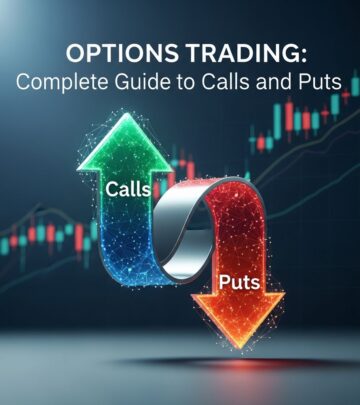
A gold call option gives you the right, but not the obligation, to purchase a set amount of gold—typically 100 ounces—at a strike price before the expiration date. Call options are particularly useful when you believe the price of gold will increase. If gold prices rise above your strike price before expiration, you have the opportunity to profit from the price appreciation.
For example, if gold is trading at $2,000 per ounce and you purchase a call option with a strike price of $2,050 and a premium of $50, gold would need to rise above $2,100 ($2,050 strike price + $50 premium) for you to achieve profitability. The key advantage of calls is that your risk is limited to the premium paid, while your profit potential is theoretically unlimited.
Understanding Gold Put Options
A gold put option gives you the right, but not the obligation, to sell a set amount of gold at a strike price before the expiration date. Put options are designed for investors who believe gold prices will decrease or who want to hedge against downside risk in their existing gold holdings. If the price of gold falls below the strike price before expiration, the put becomes in-the-money (ITM), and you can either sell or exercise it for a profit.
Conversely, if the price of gold doesn’t decrease and remains above the strike price, the put becomes out-of-the-money (OTM), and you may have to let the contract expire worthless, losing the premium you initially paid. Put options are frequently used by investors looking to protect their gold-related investments against potential losses.
How to Trade Gold Options
Gold options can be bought or sold through brokerage accounts that allow options trading. Here’s a step-by-step overview of the process:
Step 1: Choose a Suitable Brokerage
Select a brokerage firm that offers options trading on gold-related instruments. Ensure the platform provides access to gold options, ETFs with options, and necessary analytical tools. Many established brokers like Charles Schwab, Fidelity, and E*TRADE offer comprehensive options trading platforms.
Step 2: Open and Fund Your Options Account
Brokerages require specific account types to trade options. You may need to apply for options trading approval, which involves demonstrating experience and understanding of the risks involved. Once approved, fund your account with sufficient capital to cover margin requirements and premiums.
Step 3: Research and Analyze Gold Markets
Before executing trades, conduct thorough technical and fundamental analysis. Study support and resistance levels, use moving averages and relative strength index (RSI) indicators, and assess implied volatility to identify optimal entry points. Understanding market trends helps you make informed decisions about strike prices and expiration dates.
Step 4: Execute Your Trade
Once you’ve identified your trading opportunity, place your order through the brokerage platform. Specify whether you’re buying a call or put option, the strike price, expiration date, and the number of contracts. Review all details before confirming your order.
Step 5: Monitor Your Position
After purchasing your option, actively monitor the position as gold prices fluctuate. Consider setting stop-loss orders to limit potential losses and take-profit orders to secure gains. Options positions require active management, particularly as expiration approaches.
Key Components of Gold Options Contracts
Understanding the key components of options contracts is critical for successful trading:
Strike Price
The strike price is the predetermined price at which you can buy (for calls) or sell (for puts) gold if the option is exercised. This price remains fixed throughout the contract’s lifespan, regardless of actual market prices.
Expiration Date
Every options contract has a limited lifespan, with the expiration date marking the last day the option can be exercised. Gold options typically expire on specific dates, such as monthly or quarterly cycles. After expiration, the contract becomes worthless.
Premium
The premium is the upfront cost of acquiring the option. It’s influenced by several factors, including gold’s current price, market volatility, and the time remaining until expiration. Higher volatility and longer time horizons typically result in higher premiums.
Gold Options Trading Strategies
Successful options traders employ various strategies tailored to their market outlook and risk tolerance:
Covered Call Strategy
A covered call is a conservative strategy ideal for generating income on gold-related holdings, such as the SPDR Gold Shares ETF (GLD). Here’s how it works: you sell call options on a gold-related asset you already own and receive the premium in return. If the option is exercised, you agree to sell the asset at the strike price. This strategy generates income while limiting upside potential.
Protective Put Strategy
Buying a gold put option can hedge against downside risk in a physical or ETF position. This strategy is particularly valuable during uncertain market conditions, as it provides insurance against significant price declines while maintaining exposure to potential gains.
Bull Call Spread
This strategy involves buying a call option at a lower strike price and selling another call at a higher strike price. Profits are realized with a moderate rise in gold prices. This strategy reduces the net premium paid and limits maximum profit potential.
Bear Put Spread
A bear put spread involves buying a put option at a higher strike price and selling another put at a lower strike price. Profits occur with a moderate drop in gold prices. This strategy benefits from time decay and limited downside movement.
Straddle Strategy
A straddle involves buying both a call and put option on gold with the same strike price and expiration date. This strategy profits from expected volatility, regardless of whether prices move up or down. Straddles are beneficial during periods of anticipated significant price swings.
Gold Options vs. Gold Futures
While both options and futures provide leveraged exposure to gold prices, they differ significantly in structure and risk profile:
| Feature | Gold Options | Gold Futures |
|---|---|---|
| Right/Obligation | Right, but not obligation | Binding obligation |
| Maximum Loss | Limited to premium paid | Potentially unlimited |
| Leverage | Moderate leverage | High leverage |
| Complexity | Moderate to high | High |
| Margin Requirements | Lower initial requirements | Higher margin requirements |
| Expiration | Monthly, quarterly options | Standardized contract months |
Options provide limited downside risk since you only lose the premium paid if prices move against you. Futures, conversely, involve binding obligations and potentially unlimited losses. For most retail investors, options offer a more controlled risk environment.
Risk Management Essentials
Successful options trading requires robust risk management practices:
– Start with small trades to build confidence and test different strategies before scaling up investments- Conduct thorough market analysis and set realistic expectations for returns- Use protective strategies like spreads and protective puts to safeguard against significant losses- Monitor liquidity carefully, as less popular gold contracts may pose liquidity challenges- Understand that selling options exposes you to higher risk than buying options- Set stop-loss and take-profit orders to manage positions automatically
Choosing Your Gold Exposure: ETFs and Instruments
Several popular gold-related instruments allow you to trade options:
SPDR Gold Shares (GLD)
GLD is one of the most liquid gold ETFs, offering direct exposure to physical gold prices. Its high liquidity makes options trading more accessible with tighter bid-ask spreads.
iShares Gold Trust (IAU)
IAU provides a lower-cost alternative to GLD, offering direct exposure to gold prices with competitive expense ratios. It’s another common choice for trading gold ETFs with options.
VanEck Gold Miners ETF (GDX)
GDX provides indirect exposure to gold price movements through mining stocks, adding equity-style risk to your portfolio.
Cost and Tax Considerations
Understanding the financial and tax implications of gold options is crucial for net profit calculations:
Trading Costs
Options involve commissions, bid-ask spreads, and potential margin interest costs. These expenses can significantly impact returns, particularly for frequent traders.
Tax Treatment
Gold options may receive favorable capital gains treatment compared to physical gold, which is taxed as collectibles. However, derivatives may involve trading fees and margin costs that reduce net profits. Consult with a tax professional to understand your specific tax obligations.
Frequently Asked Questions
Q: What is the minimum amount of gold required to trade options?
A: Most gold options contracts represent 100 ounces of gold. However, some brokerages offer mini-contracts or allow trading through ETFs with smaller position sizes, making options more accessible to retail investors.
Q: Can I trade gold options 24/7?
A: Gold options trading hours depend on the specific market and instrument. COMEX gold futures options typically trade during regular market hours, though some electronic platforms offer extended trading sessions. ETF options follow the stock market’s trading hours.
Q: What happens if I don’t exercise my option before expiration?
A: If you don’t exercise your option by the expiration date, it automatically expires. For profitable options, this typically means losing the remaining profit. For losing positions, the contract expires worthless, and you lose only the premium paid.
Q: How do I know if an option is in-the-money or out-of-the-money?
A: For call options, the option is ITM when the current gold price exceeds the strike price. For put options, the option is ITM when the current gold price is below the strike price. Your brokerage platform typically highlights this automatically.
Q: Is options trading suitable for beginners?
A: While options can be complex and risky, beginners can start with covered calls or protective puts using ETFs. Using practice platforms like Thinkorswim or Tastyworks allows you to experiment without risking real capital before advancing to more sophisticated strategies.
Summary: Getting Started with Gold Options
Investing in gold options can help you gain exposure to gold and diversify your portfolio without purchasing physical metal. Gold options provide the right, but not the obligation, to buy or sell gold at a specific price on or before expiration, offering flexibility and leverage for various market conditions. Before trading gold options, carefully consider the amount you want to trade, your overall investment goals, and your risk tolerance.
If you’re bullish on gold prices, purchase gold call options. If you’re bearish, purchase gold put options. In either instance, you can profit if prices move as you speculated. However, if prices move against you, you could lose the money paid for the contract. By starting small, conducting thorough analysis, and employing appropriate risk management strategies, you can develop the skills needed to successfully trade gold options and enhance your investment returns.
References
- Options for Gold: A Complete Guide For Investing in a Global Economy — Current Thoughts on Trade. 2024. https://currentthoughtsontrade.com/options-for-gold/
- Gold is Soaring: How to Use Options to Maximize Gains — Nasdaq. 2024. https://www.nasdaq.com/articles/gold-soaring-how-use-options-maximize-gains
- How to Buy Gold Options — Money.com. 2024. https://money.com/how-to-buy-gold-options/
- How to trade gold: a quick guide — Saxo Bank. 2024. https://www.home.saxo/learn/guides/commodities/how-to-trade-gold
- How to Buy Gold to Diversify Your Portfolio — Charles Schwab. 2024. https://www.schwab.com/learn/story/adding-gold-to-your-portfolio
Similar Articles








Read full bio of medha deb