How to Buy and Prepare Fresh Fish
Master the art of selecting, storing, and cooking fresh fish to enjoy delicious, affordable seafood at home with confidence.
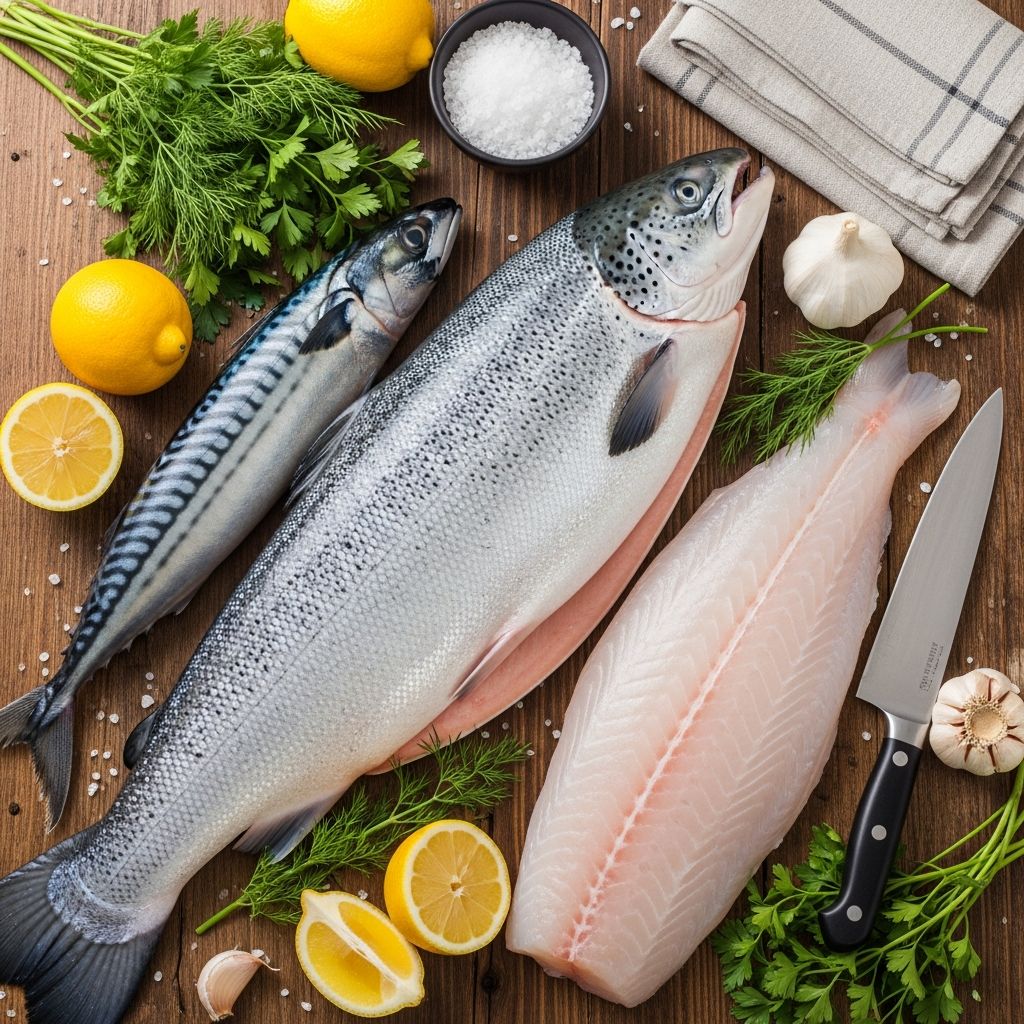
Fresh fish can elevate any meal, offering nutrient-rich protein that’s versatile and often budget-friendly, especially white fish varieties like tilapia, pollock, and flounder. This guide covers everything from selecting the freshest catch at the market to simple preparation methods and recipes, ensuring you get the best quality without overspending.
Fresh vs. Frozen: Which is Better?
Many shoppers assume fresh fish is always superior, but flash-frozen fish often surpasses so-called ‘fresh’ options in taste and quality. Flash-freezing captures the fish within hours of being caught on the boat, locking in freshness before any degradation from refrigeration begins. So-called fresh fish may have spent days in transit or storage, losing flavor and texture. Opt for flash-frozen when available, especially for affordability, as it maintains higher nutritional value, including omega-3 fatty acids.
- Flash-frozen benefits: Preserves taste, texture, and nutrients; often cheaper; widely available in supermarkets.
- Fresh fish caveats: Best if bought from trusted local sources; check indicators of quality closely.
How to Select Fresh Fish at the Market
Choosing the right fish starts with sensory checks. For whole fish, examine the eyes, gills, skin, texture, and smell. These indicators reveal freshness reliably.
- Eyes: Clear, bright, and bulging—not cloudy or sunken.
- Gills: Bright red or pink, moist, without slime or darkening.
- Body and skin: Firm flesh that springs back when pressed; shiny, moist scales that don’t slip off; no tacky or slimy feel when running your hand over it.
- Smell: Mild ocean scent, like the sea—not strong ‘fishy’ ammonia odor, which signals spoilage.
For fillets or packaged fish, inspect the liquid in the tray: it should be clear, not milky or cloudy, indicating early spoilage. Avoid any with a pungent fishy smell. Sustainable choices matter too—consult resources like Seafood Watch for eco-friendly options that support fisheries without depleting stocks.
| Indicator | Fresh Fish | Spoiled Fish |
|---|---|---|
| Eyes | Clear and bulging | Cloudy, sunken |
| Gills | Bright red, moist | Dull, slimy, brown |
| Smell | Mild sea aroma | Strong fishy or ammonia |
| Flesh Texture | Firm, springs back | Soft, mushy |
Storing Fresh Fish Properly
Once home, handle fish promptly to maintain quality. Consume within one to two days for optimal freshness. Rinse under cold water, pat dry with paper towels, and store wrapped in plastic or parchment in the coldest part of the fridge (back of bottom shelf, ideally at 32°F/0°C).
- Short-term: Keep whole fish in a bowl covered with damp paper towels; fillets in airtight container.
- Freezing: Portion into meal sizes, wrap tightly in plastic then foil or freezer bags, label with date. Use within 2-3 months for best quality.
- Thawing: Refrigerator overnight or cold water method (sealed bag, change water every 30 minutes)—never microwave or room temperature.
Avoid cross-contamination: use separate cutting boards and sanitize surfaces. Proper storage prevents bacterial growth like Listeria, common in seafood.
Affordable White Fish Varieties to Try
White fish like tilapia, pollock, flounder, and sole are mild-flavored, inexpensive, and versatile for beginners. U.S.-farmed tilapia is widely available at stores like Costco or Whole Foods, though lower in omega-3s due to feed—still a healthy, lean protein.
- Tilapia: Budget king; mild taste; great breaded or grilled.
- Alaskan Pollock: Sustainable, flaky; ideal for fish sticks or tacos.
- Flounder/Sole: Thin fillets; perfect pan-fried.
- Trout: Freshwater option; rich flavor for camping meals.
Preparation Techniques and Recipes
Cooking fish is straightforward—aim for 10 minutes per inch of thickness at 400-450°F, regardless of method. Keep it simple to highlight natural flavors: season with salt, pepper, lemon, herbs. Here are proven recipes for popular varieties.
Marla’s Crispy Coconut Fish (Tilapia)
A crunchy, tropical twist using three bowls: flour seasoned with salt/pepper; beaten egg; panko-coconut mix (equal parts panko, shredded coconut, spices). Dredge tilapia fillets, pan-fry in oil until golden. Skip coconut for plain version. Serves 4; ready in 20 minutes.
Seared Opah with Tomato Garlic Butter
Mild opah shines seared: pat dry, season, sear skin-side up 3-4 minutes per side. Top with butter sautéed tomatoes and garlic. Elegant yet easy.
Mike’s Sturgeon Marinade (for Grill)
Marinate sturgeon 30 minutes in soy sauce, ginger, garlic, sesame oil. Grill hot and fast. Meaty texture holds up well.
Camping Trout with Cornmeal Crust
Pack cornmeal, salt, pepper in Ziploc. Dredge gutted trout, pan-fry in butter over campfire. Perfect breakfast with potatoes.
Sand Dabs with Fried Potatoes
Lightly flour sand dabs, fry crisp in butter/oil. Pair with eggs and home fries for nostalgic brunch.
Broiled Halibut with Macadamia Topping
Top fillets with mayo-Dijon mix plus chopped roasted macadamias. Broil 6-8 minutes. Luxurious Alaskan staple.
Italian Oven Sea Bass (Rockfish)
Bake with olive oil, tomatoes, olives, herbs at 375°F for 15 minutes. Avoid grilling as it flakes apart.
Crispy Flounder Fish Fingers
Healthier baked version: coat in breadcrumbs, bake at 425°F. Kid-friendly with ketchup dip.
Sustainable Seafood Choices
Balance enjoyment with environmental impact. Choose low-mercury, abundant species like wild Alaskan pollock or U.S. tilapia. Avoid overfished types; use apps or charts for guidance. Sustainable fishing preserves stocks for future meals while keeping costs down.
Frequently Asked Questions (FAQs)
Q: How can I tell if packaged fish is fresh?
A: Clear liquid in package, mild sea smell, firm flesh without ‘fishy’ odor or milky brine.
Q: Is frozen fish as good as fresh?
A: Often better if flash-frozen immediately after catch, preserving superior flavor and nutrients.
Q: What’s the best way to cook thin fillets like flounder?
A: Pan-fry or bake briefly to avoid overcooking; 3-5 minutes total.
Q: How long does fresh fish last in the fridge?
A: 1-2 days max; cook sooner for peak quality.
Q: Are farmed fish safe?
A: U.S.-farmed tilapia is regulated and safe; check origin for sustainability.
Budget Tips for Fish Lovers
Shop sales, frozen aisles, and bulk. White fish averages $4-8/lb vs. premium salmon at $15+. Prep in batches for meals all week. Pair with cheap sides like rice or veggies for complete dinners under $10.
References
- Delicious Ways to Prepare Affordable White Fish — Wise Bread. 2010-approx. (Accessed 2026). https://www.wisebread.com/delicious-ways-to-prepare-affordable-white-fish
- What to look for when purchasing a fish / How to tell when fish is fresh — Auckland Seafood School (YouTube). 2014-06-13. https://www.youtube.com/watch?v=eTtd72LV3l8
- Seafood Watch Program — Monterey Bay Aquarium. Ongoing (updated regularly post-2024). https://www.seafoodwatch.org
- Affordable Sustainable Seafood Choices — Wise Bread. 2010-approx. (Accessed 2026). https://www.wisebread.com/affordable-sustainable-seafood-choices-for-your-table
Similar Articles








Read full bio of medha deb