How To Buy An Annuity: Step-By-Step Retirement Roadmap
Unlock guaranteed retirement income with our comprehensive guide to selecting, purchasing, and funding the perfect annuity for your future.

Annuities provide a reliable way to generate steady income during retirement, converting savings into predictable payments backed by insurance companies. Unlike volatile investments, they offer stability, making them ideal for those seeking to mitigate market risks.
Understanding Annuities and Their Role in Retirement
Annuities are long-term contracts where you pay premiums to an insurer in exchange for future payments, often lasting a lifetime. They accumulate value during an accumulation phase and distribute it later, helping bridge gaps left by Social Security or pensions. Key benefits include tax-deferred growth and protection against outliving your savings.
Before purchasing, evaluate if an annuity fits your portfolio. They suit conservative investors prioritizing income over liquidity, but may not be ideal if you need quick access to funds due to surrender charges.
Step 1: Define Your Retirement Objectives
The foundation of buying an annuity starts with clarifying your financial aims. Ask: Do you need immediate income, long-term growth, or legacy protection? Consider your age, health, risk tolerance, and other income sources.
- Income replacement: For essential expenses, opt for products guaranteeing lifelong payouts.
- Principal protection: Choose options shielding your investment from losses.
- Growth potential: Select those tied to market performance for higher returns.
Aligning the product with these goals prevents mismatches that could erode value. Professional input from a fiduciary advisor can refine this assessment.
Step 2: Explore Annuity Categories and Features
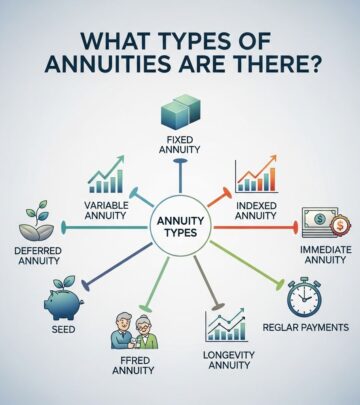
Annuities vary by payout timing, return mechanism, and risk level. Understanding these helps select the best fit.
| Type | Key Features | Risk Level | Best For |
|---|---|---|---|
| Fixed | Guaranteed interest rate, like CDs; stable payouts. | Low | Conservative savers seeking predictability. |
| Fixed Indexed | Credits based on index performance (e.g., S&P 500) with principal protection; caps on gains. | Moderate | Balanced growth without downside risk. |
| Variable | Invested in sub-accounts like mutual funds; higher potential returns but market volatility. | High | Growth-oriented investors comfortable with risk. |
| Immediate | Payouts start soon after funding; single premium common. | Low | Those needing instant income streams. |
| Deferred | Accumulates value first, payouts later; flexible premiums. | Varies | Long-term retirement builders. |
Additional features like riders for death benefits, long-term care, or inflation adjustments enhance utility but increase costs. Review fees, surrender periods (often 7-10 years), and guarantees carefully.
Step 3: Evaluate and Select Reputable Providers
Not all insurers are equal; the company’s stability underpins your annuity’s reliability. Annuities lack FDIC insurance, so prioritize financial strength.
- Ratings: Seek A.M. Best ratings of A or higher for claims-paying ability.
- Customer service: Check J.D. Power scores for satisfaction.
- Track record: Review complaint indices from state regulators.
- Options: Compare rates, rider costs, and surrender terms across multiple firms.
Shop via licensed agents, brokers, or advisors. Avoid high-pressure sales; take time to compare quotes.
Step 4: Navigate the Purchase and Funding Process
Once decided, the buying process involves consultation, application, and funding.
- Consultation: Discuss goals with a specialist; review illustrations of projected income.
- Comparison: Obtain quotes from A-rated carriers; customize terms like payout start and riders.
- Application: Submit personal/financial details; review the contract thoroughly—often 50+ pages.
- Funding: Use lump sum, installments, or transfers from 401(k)s/IRAs (tax-free if qualified). Act promptly as rates fluctuate.
Expect a suitability review to ensure the product matches your profile. Funds transfer securely, activating the contract upon approval.
Tax Implications and Withdrawal Rules
Annuities offer tax-deferred growth: earnings aren’t taxed until withdrawn. Qualified annuities (from pre-tax accounts) are fully taxable; non-qualified ones tax only gains.
Early withdrawals before 59½ incur a 10% IRS penalty plus ordinary income tax. Surrender charges apply if accessing funds prematurely. Strategies like 1035 exchanges allow tax-free swaps between annuities.
Common Pitfalls to Sidestep
Buyers often overlook liquidity limits, high fees (1-3% annually for variables), or ill-suited products. Always:
- Read the prospectus and ask about all costs.
- Confirm no front-end loads unless beneficial.
- Verify state guaranty association coverage (typically $250,000 per insurer).
- Consult a fee-only advisor for unbiased views.
Is an Annuity Right for You? Pros and Cons
| Pros | Cons |
|---|---|
| Lifetime income guarantee. Tax advantages. Principal protection options. | Illiquidity. Fees erode returns. Inflation risk without riders. |
Annuities complement diversified portfolios, covering 20-30% of retirement needs for many.
Frequently Asked Questions (FAQs)
What is the minimum investment for an annuity?
Typically $5,000-$10,000, varying by provider and type.
Can I lose money in a fixed annuity?
No, they guarantee principal and minimum interest, barring insurer insolvency.
How do indexed annuities work?
Gains track an index with floors (0% loss) and caps on upside.
Are annuities FDIC-insured?
No, but state guaranty funds provide limited protection.
When should I buy an annuity?
Often in 50s-60s, when shifting to income preservation.
Final Thoughts on Securing Your Future
Purchasing an annuity demands diligence but rewards with enduring income. By aligning choices with goals, vetting providers, and understanding terms, you build a robust retirement foundation. Consult professionals and compare thoroughly for optimal results.
References
- How to Buy an Annuity: A Step-by-Step Guide — Annuity.org. 2024. https://www.annuity.org/annuities/buy/
- How To Buy Annuity: Get Passive Income For Life — Bankrate. 2024. https://www.bankrate.com/retirement/how-to-buy-an-annuity/
- Consumer’s Guide to Understanding Annuities — Wisconsin Office of the Commissioner of Insurance. 2023. https://oci.wi.gov/Documents/Consumers/PI-214.pdf
- Annuities – A Guide For Consumers — Florida CFO. 2024. https://www.myfloridacfo.com/docs-sf/consumer-services-libraries/consumerservices-documents/understanding-coverage/consumer-guides/annuities-guide.pdf?sfvrsn=93cf03d5_9
- Annuities Guide — Texas Department of Insurance. 2024. https://www.tdi.texas.gov/pubs/consumer/cb078.html
- Buyer’s Guide to Fixed Deferred Annuities — NAIC. 2023. https://content.naic.org/sites/default/files/publication-anb-lp-consumer-annuities-fixed.pdf
Similar Articles








Read full bio of medha deb