How To Buy A Used Car: 7 Essential Tips For 2025
Master the art of buying a used car without getting ripped off: expert tips on timing, shopping smart, inspections, and negotiation for the best deals.

Buying a used car can save you thousands compared to purchasing new, but it requires careful planning to avoid costly mistakes. With the right strategy, you can find a reliable vehicle at a fair price that fits your budget and needs. This guide covers seven essential tips, drawing from expert advice on timing, shopping sources, vehicle research, inspections, pricing, financing, and negotiation.
1. Choose the Best Time to Buy a Used Car
Timing your purchase can significantly impact the price you pay. Dealers often clear inventory at month-end, quarter-end, or year-end to meet sales quotas, making them more willing to negotiate on used cars. End-of-month deals are common as salespeople push to hit targets, while December sees heavy discounts to make room for new models arriving in January.
Shop during holidays like Memorial Day, Labor Day, or Black Friday when promotions abound. Avoid peak seasons like spring when demand rises. Data from automotive analysts shows used car prices can drop 5-10% during these periods due to increased supply and dealer incentives.
- Month-end and quarter-end: Dealers motivated by quotas.
- Winter months: Lower demand leads to better deals.
- Holiday sales: Extra rebates and financing specials.
2. Determine Where to Shop for a Used Car — and Where to Avoid
Not all selling sources are equal. Dealerships offer warranties and financing but higher prices; private sellers provide lower costs but more risk; online platforms aggregate options for comparison.
Recommended spots:
- Certified Pre-Owned (CPO) programs: From manufacturers like Toyota or Honda—vehicles pass rigorous inspections, come with extended warranties, and have low mileage.
- Reputable dealers like CarMax: Offers 125-point inspections, 24-hour test drives, 30-day returns, and no-haggle pricing. Largest U.S. inventory ensures options.
- Online sites: CarGurus, Autotrader, Cars.com, Kelley Blue Book (KBB)—filter by price, mileage, and reviews. Use comparison spreadsheets for data like mileage and history.
- Auctions: For deals, but inspect thoroughly; avoid if inexperienced.
Places to avoid: Curbstoners (unlicensed flippers posing as private sellers), high-pressure lots, or cars without history reports. Always check seller credentials via DMV.
3. Find a Vehicle That Fits Your Needs
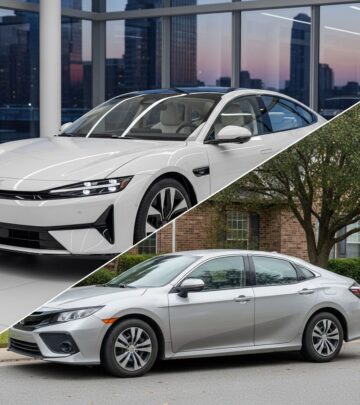
Start with your requirements: budget, fuel efficiency, size, features. Use EPA.gov for MPG ratings and NHTSA.gov or IIHS.org for safety scores. Prioritize reliable models like Honda Civic or Toyota Camry, per Consumer Reports reliability data.
Create a car comparison spreadsheet with columns for price, mileage, owners, condition, and features. Sites like Edmunds and JD Power provide reviews; KBB values specific used models.
| Criteria | New Car Focus | Used Car Focus |
|---|---|---|
| Price | MSRP, incentives | KBB fair market value |
| Mileage | N/A | Under 60,000 preferred |
| History | Warranty | Accidents, service records |
| Safety | NHTSA stars | IIHS ratings |
4. Determine a Fair Price
Research values using multiple tools: KBB for private party vs. dealer prices, Edmunds for true market value, NADA guides. Factor in mileage (aim under 12,000/year), condition, location, and options.
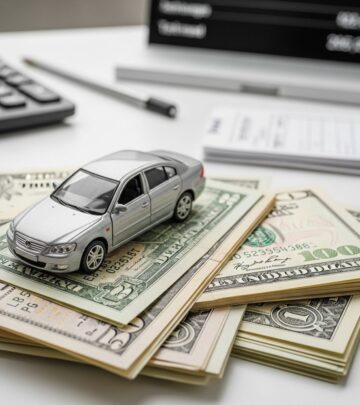
Average used car prices hover around $25,000-$30,000, but CPO models average $35,169. Compare aged inventory—cars on lots over 45 days get discounted. Use the ‘shotgun method’: Email multiple dealers for out-the-door quotes with specs listed.
Example email template: ‘I am buying a [year/make/model] in [color] with [options]. Send window stickers and best out-the-door price to [email]. Line item fees and rebates.’
5. Get a Vehicle History Report and Inspection
Never skip these. Use Carfax or AutoCheck for reports revealing accidents, flood damage, odometer issues, owners, and service history—costs $40 but saves thousands.
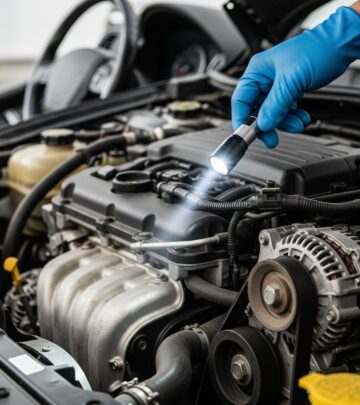
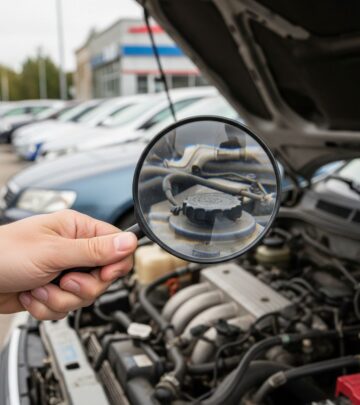
Test drive extensively: Check brakes, acceleration, noises, alignment. Take finalists to a mechanic for a pre-purchase inspection ($100-$200). Look for frame damage, leaks, worn tires. At CarMax, vehicles pass 125 checks and reject salvage titles.
- Red flags: Mismatched paint, rust, warning lights, salvage title.
- Pro tip: Negotiate seller pays for inspection on serious contenders.
6. Arrange Financing and Insurance
Pre-approve from banks or credit unions for better rates than dealer financing (average 7-10% APR). Check your credit score first. Avoid long-term loans over 60 months—they add thousands in interest.
Shop insurance quotes early; used cars often cost less to insure. Bundle for discounts. Use discount programs like Costco Auto or TrueCar for pre-negotiated rates below invoice.
7. Negotiate and Close the Deal
Haggle smartly: Start 10-15% below KBB value, use competing quotes and history reports as leverage. Focus on out-the-door price (includes taxes, fees). Walk away if needed—aged inventory motivates sellers.
No-haggle options like CarMax simplify: Fixed prices, but verify value. For private sales, meet at banks for safe payment. Review all paperwork: title, bill of sale, warranty.
Pros of dealership vs. private:
| Aspect | Dealership | Private Seller |
|---|---|---|
| Price | Higher | Lower |
| Warranty | Often yes | Rare |
| Convenience | Financing, trade-in | Cash deals |
Frequently Asked Questions (FAQs)
Q: What’s the best time of year to buy a used car?
A: End-of-year (December), month-ends, and holidays offer the deepest discounts as dealers clear inventory.
Q: Is CarMax a good place to buy used cars?
A: Yes, for quality—125-point inspections, 30-day returns, vast selection—but prices may be higher than private sales.
Q: How do I check a used car’s history?
A: Run a Carfax or AutoCheck report using the VIN; look for accidents, title issues, and service records.
Q: Should I get a pre-purchase inspection?
A: Absolutely—it’s the best way to uncover hidden problems before committing.
Q: Can I negotiate at no-haggle dealers?
A: Typically no, but use quotes elsewhere to gauge value; focus on aged or demo cars for leverage.
Final Tips for Used Car Buyers
Budget for extras: taxes (6-10%), registration, maintenance. Aim for cars under 5 years old with under 60,000 miles. Use tools like comparison spreadsheets, always test drive to a mechanic, and avoid emotional buys. With diligence, you’ll drive away with a steal.
References
- This Car Comparison Spreadsheet Will Help You Get the Best Deal — The Penny Hoarder. 2023. https://www.thepennyhoarder.com/save-money/car-comparison-spreadsheet/
- CarMax Review: What You Should Know before Buying a Used Car — The Penny Hoarder. 2023. https://www.thepennyhoarder.com/save-money/carmax/
- How to Buy a Car Without Haggling: 5 Ways to Get the Best Deal — The Penny Hoarder. 2023. https://www.thepennyhoarder.com/save-money/how-to-buy-a-car-without-haggling/
- Pros and Cons of Buying a Used Rental Car to Save Money — The Penny Hoarder. 2023. https://www.thepennyhoarder.com/save-money/buying-a-used-rental-car/
- 7 Tips to Buy a Used Car and Avoid Getting Ripped Off — The Penny Hoarder. 2023. https://www.thepennyhoarder.com/save-money/how-to-buy-a-used-car/
Similar Articles








Read full bio of Sneha Tete