How to Buy a Used Car Without Getting Ripped Off
Master the art of buying a used car smartly: set budgets, research models, inspect thoroughly, and negotiate like a pro to avoid costly mistakes.
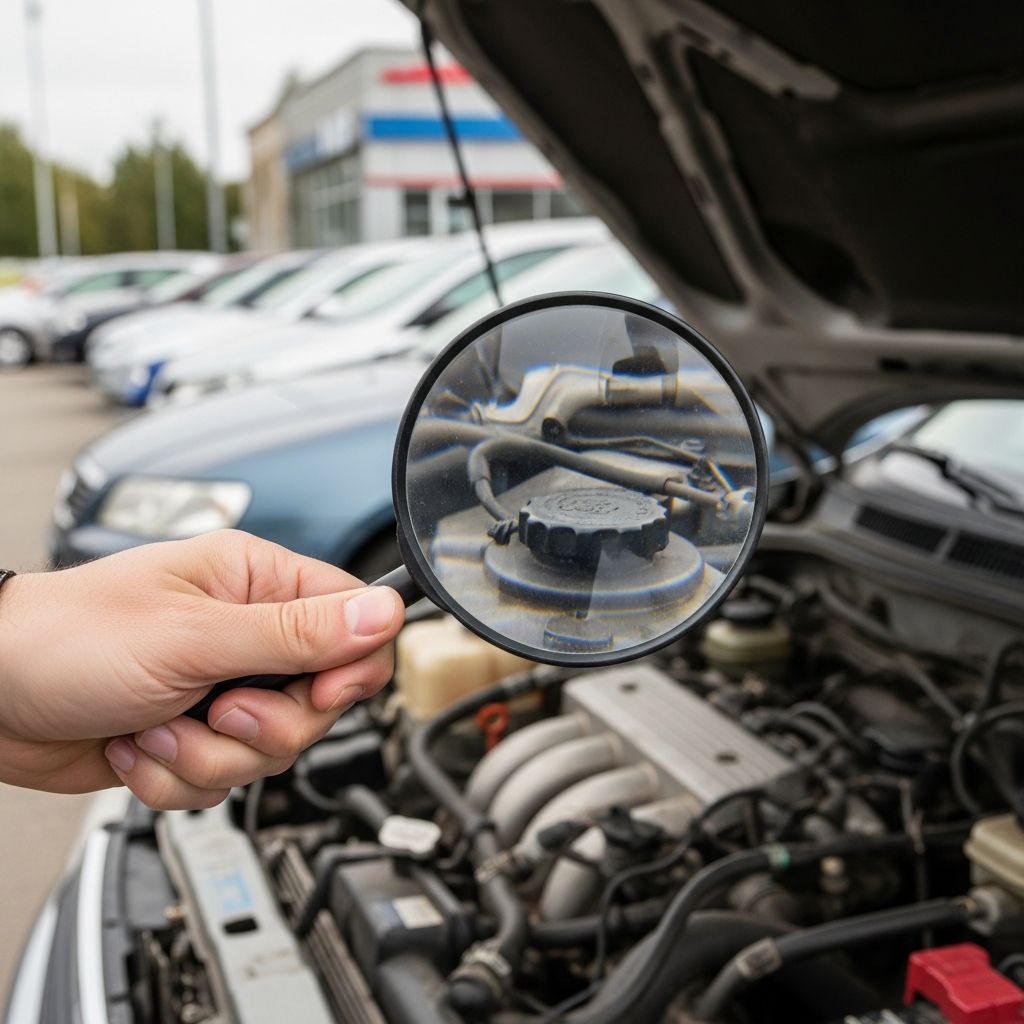
Buying a used car can save you thousands compared to a new one, but without proper preparation, it’s easy to get ripped off by hidden issues or inflated prices. This guide outlines a step-by-step process to secure a reliable vehicle within your budget, drawing from proven strategies like thorough research, inspections, and verification.
1. Set Your Car Budget Before You Start Shopping
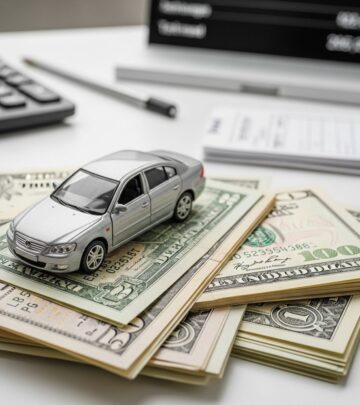
Establishing a firm budget is the foundation of smart used car buying. Determine not just the purchase price but total ownership costs including insurance, maintenance, fuel, registration, and potential repairs. For example, aim for a car under $4,000 if avoiding payments, excluding certified pre-owned options which are pricier.
- Calculate monthly affordability: Limit car expenses to 20% of your take-home pay.
- Factor in depreciation: Used cars have already lost significant value, lowering taxes and fees.
- Explore financing: Compare low-rate loans versus rebates; well-qualified buyers (excellent credit) get best rates.
- Budget for extras: Add $5003,000 for immediate needs like tires or brakes.
Use tools like online calculators to project five-year costs. This prevents impulse buys and ensures the car fits your financial picture.
2. Select Your Target Vehicle Model
Research reliable models using credible resources to narrow options. Focus on vehicles known for longevity, low repair costs, and good reliability ratings.
- Kelley Blue Book (KBB): Standard for valuing used cars. Input make, model, year, mileage, and condition for private party, trade-in, or retail values.
- Edmunds: Provides reviews, reliability data, and alternative suggestions if a model underperforms.
- MSN Autos: Offers reliability charts showing common problems and repair costs, e.g., VW Cabrio’s moderate engine issues with cheap fixes.
| Resource | Key Feature | Best For |
|---|---|---|
| Kelley Blue Book | Price valuations | Determining fair market value |
| Edmunds | Reviews & comparisons | Model reliability insights |
| MSN Autos | Reliability charts | Anticipating repair costs |
Avoid high-maintenance brands; prioritize Hondas, Toyotas, or Subarus for budget-friendly ownership. Cross-reference eBay completed listings and CarMax no-haggle prices for real-market comps.
3. Test Drive Your Target Model
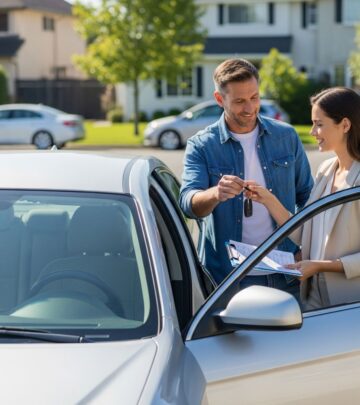
A thorough test drive reveals issues invisible in photos. Drive for at least 20-30 minutes on varied roads: highways, city streets, and hills.
- Check all functions: Windows, doors, trunk, seats, belts, lights, wipers, signals, radio, dash.
- Listen for noises: Rattles, knocks, or unusual engine sounds indicate problems.
- Test brakes, acceleration, steering, and suspension for smoothness.
- Verify AC/heat, transmission shifts, and odometer accuracy.
Use checklists from Consumer Reports or About.com. Bring a trusted friend for a second opinion. If buying from a dealer, inquire about warranties.
4. Used Vehicle Inspection From a Mechanic
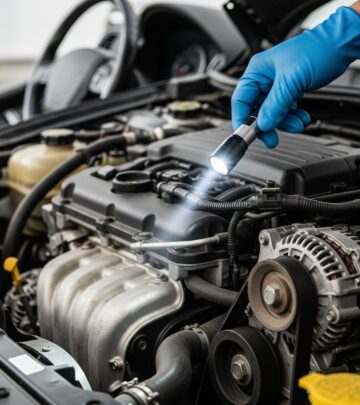
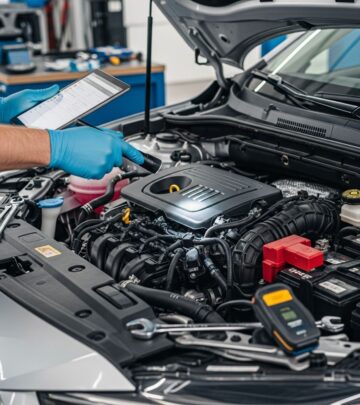
Never skip a professional pre-purchase inspection (PPI). Costs $100–$200 but saves thousands by uncovering hidden defects.
- Get Carfax or similar VIN report: Reveals accidents, emissions failures, service history, and odometer issues.
- Inspect for rust: Use a magnet (weak spots indicate filler) or check for bubbles.
- Verify title: Ensure seller owns it cleanly, no liens. Physical title must match seller’s name.
- Check keys, spare tire, jack, owner’s manual, and service records.
Arrange PPI at your mechanic’s shop. Test emissions if applicable. Walk away from cars with salvage titles or major red flags.
5. Check the Title and Vehicle History
Title issues can void your ownership. Confirm clear title pre-viewing.
- No liens: Banks can repossess if unpaid.
- Match names: Seller must be titled owner.
- History report: Enter VIN for accident, flood, theft, or service data.
State DMV sites detail laws; research paperwork, fees, and timelines.
6. Negotiate the Price
Armed with KBB values and comps, negotiate confidently. Start 10-15% below asking price.
- Private sellers: Use KBB private party value.
- Dealers: Leverage trade-in or retail figures; fixed-price like CarMax as benchmark (often higher).
- Consider brokers: $800 fee for sourcing, history checks, and price negotiation via wholesale access.
Walk away if uncomfortable. Get everything in writing, including warranties.
7. Consider Using a Car Broker
Brokers save time and hassle for used cars. They scour public/wholesale sites, check histories, verify availability, and secure best prices.
- Provide specs: Make, year, mileage, colors.
- Receive vetted list with deal ratings.
- Licensed brokers access ex-rentals cheaply.
Ideal for busy buyers; saved one shopper $3,000 vs. CarMax.
8. Final Paperwork and DMV Steps
Protect yourself with a written contract detailing price, as-is condition, and terms. Research state laws for sales tax, smog checks, and temp tags.
- Bill of sale: Essential for disputes.
- Transfer title promptly.
- Insure before driving off.
Verify both keys work before leaving.
Frequently Asked Questions (FAQs)
Q: What’s the best way to value a used car?
A: Use Kelley Blue Book for condition-based prices, cross-check with eBay sold listings and CarMax for market reality.
Q: Should I buy from a private seller or dealer?
A: Private for lowest price, dealers for warranties. Verify title either way.
Q: Is a pre-purchase inspection worth it?
A: Absolutely; uncovers issues saving far more than the $100–$200 cost.
Q: How do I spot rust or bodywork?
A: Magnet test for filler, check paint bubbles, and review Carfax for repairs.
Q: When is the best time to buy?
A: End of month/quarter/year when dealers hit quotas; used cars depreciate less impactfully.
Q: Can college students get deals?
A: Yes, special rebates like $500 credits often available.
Following these steps minimizes risks and maximizes value. Research thoroughly, inspect rigorously, and negotiate smartly for a reliable used car that fits your life.
References
- Federal Trade Commission: Buying a Used Car From a Dealer — FTC.gov. 2024-07-15. https://consumer.ftc.gov/articles/buying-used-car-dealer
- Consumer Reports: How to Buy a Used Car — ConsumerReports.org. 2025-03-10. https://www.consumerreports.org/cars/buying-a-car/how-to-buy-a-used-car-a1220499628/
- Kelley Blue Book: Used Car Pricing Guide — KBB.com. 2025-11-20. https://www.kbb.com/used-cars/
- National Highway Traffic Safety Administration: Vehicle History Reports — NHTSA.gov. 2024-05-05. https://www.nhtsa.gov/vehicle-safety/recalls
- Edmunds: Used Car Buying Guide — Edmunds.com. 2025-01-12. https://www.edmunds.com/car-buying/how-to-buy-a-used-car.html
- Department of Motor Vehicles: Used Vehicle Sales — DMV.ca.gov (example state). 2025-09-18. https://www.dmv.ca.gov/portal/vehicle-registration/new-registration/registering-a-vehicle-purchased-from-a-dealer/
Similar Articles








Read full bio of Sneha Tete