How To Buy A Foreclosed Home: 10 Steps For Smart Buyers
Unlock deals on foreclosed homes: Master the process from auctions to REO properties and avoid costly pitfalls for smart savings.

Foreclosed homes offer savvy buyers the chance to purchase properties at significant discounts, often 20-30% below market value, but they come with unique challenges like repairs and complex processes. Whether you’re a first-time homeowner or investor, understanding the stages—pre-foreclosure short sales, auctions, and bank-owned REO properties—is key to success.
What Is a Foreclosed Home?
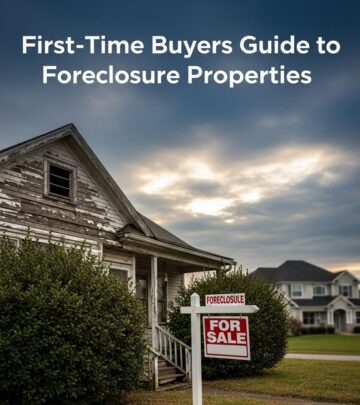
A foreclosed home is one repossessed by a lender after the owner defaults on their mortgage. The process begins with missed payments, leading to notices, and if unresolved, culminates in the lender taking ownership. These properties are sold ‘as-is,’ meaning buyers handle all repairs, but prices reflect that risk.
Distressed properties go through distinct phases: pre-foreclosure (short sale), auction, and REO (Real Estate Owned). Each has different risks and buying methods.
Types of Foreclosed Properties
Pre-Foreclosure (Short Sale)
In pre-foreclosure, homeowners in distress sell for less than the owed mortgage, with lender approval. This avoids full foreclosure but involves lengthy negotiations among buyer, seller, and bank. Expect delays, but financing is usually possible after thorough inspections.
- Pros: Potential equity; motivated sellers.
- Cons: Uncertain approval; condition issues hidden.
Foreclosure Auction
Auctions occur publicly when short sales fail. Homes sell ‘as-is’ to the highest bidder, often requiring cash payment on the spot. No interior inspections allowed, and buyers inherit liens or occupants.
- Pros: Deep discounts; quick purchase.
- Cons: High risk; cash-only; no previews.
Avoid auctions unless experienced, as unseen problems like structural damage can erase savings.
Bank-Owned (REO) Properties
If unsold at auction, properties become REO, owned by the bank. These are listed like traditional homes but sold ‘as-is.’ Banks want quick sales, so negotiations favor prepared buyers.
- Pros: Inspections allowed; financing options; clearer title.
- Cons: Needs repairs; longer timelines.
Pros and Cons of Buying Foreclosed Homes
Foreclosures attract with bargains but demand patience.
| Pros | Cons |
|---|---|
| Discounted prices (up to 30% off) | Extensive repairs needed |
| Fewer bidding wars | ‘As-is’ sales, no warranties |
| Negotiation leverage with banks | Potential liens or occupants |
| Investment potential | Lengthy approval processes |
Ideal for cash buyers or flippers; less so for move-in-ready seekers.
Steps to Buy a Foreclosed Home
Follow these 10 steps adapted for all types, emphasizing REO as the safest entry.
- Browse Listings: Search MLS, bank sites (e.g., Fannie Mae HomePath), HUD.gov, or Auction.com for REO/short sales.
- Get Pre-Approved: Secure financing early, ideally from the owning lender, to show seriousness.
- Hire an Agent: Choose a foreclosure specialist for access and expertise.
- Refine Options: Evaluate price, repairs, location, size, neighborhood quality.
- Inspect Thoroughly: Hire pros for home, pest, roof checks—vital for ‘as-is’ buys.
- Review Title: Ensure clear ownership via title search.
- Make an Offer: Start low; banks expect negotiation. Include proof of funds.
- Negotiate Addendums: Read bank terms carefully; they protect the lender.
- Close Quickly: REO closings take 30-60 days; have cash reserves.
- Plan Repairs: Budget 10-20% extra for post-purchase fixes.
Financing a Foreclosed Home
Traditional mortgages work for REO, but auctions demand cash. FHA loans suit fixer-uppers with 203(k) renovation financing. Bad credit? Opt for larger down payments or co-signers. Get pre-approved to compete.
- FHA/VA: Lenient on condition.
- Conventional: Stricter inspections.
- Cash: Best for auctions/short sales.
Inspections and Due Diligence
Always inspect: Foreclosures hide mold, plumbing woes, foundation cracks. Banks provide little history, so demand seller disclosures. Title searches uncover liens. Budget for surprises.
Common Pitfalls and How to Avoid Them
- Rushing In: Research thoroughly; skip uninspected auctions.
- Underestimating Repairs: Get contractor bids pre-offer.
- Ignoring Fees: Factor closing costs, liens, eviction if occupied.
- Poor Financing: Pre-approve early.
- Market Timing: In 2026, rising rates may increase inventory—monitor trends.
Tips for Success
- Work with experienced agents and inspectors.
- Build repair contingencies into offers.
- Network with local banks for off-market deals.
- Consider investor partnerships for cash needs.
- Stay patient—great deals reward preparation.
Frequently Asked Questions (FAQs)
Can I finance a foreclosed home?
Yes, REO properties accept mortgages; auctions often require cash. FHA 203(k) covers repairs.
Are foreclosed homes good investments?
Often yes, for flips or rentals, but calculate after-repair value (ARV) minus costs.
How much cheaper are they?
Typically 20-30% below market, varying by condition and location.
Do I need cash for auctions?
Usually yes, full payment immediately or via cashier’s check.
What if the home is occupied?
REO may require eviction; factor legal costs.
Is Buying Foreclosed Right for You?
If you tolerate risk, have repair skills or funds, and patience for bureaucracy, yes. Otherwise, stick to traditional sales. In today’s market, foreclosures offer equity-building opportunities amid economic shifts.
References
- The REO Guide: 10 Steps to Buying a Bank-Owned Home — PennyMac. 2023. https://www.pennymac.com/blog/reo-guide-10-steps-to-buying-bank-owned-home
- How to Make a HUGE Profit Buying Homes in Foreclosure — YouTube (BiggerPockets Podcast). 2023-10-15. https://www.youtube.com/watch?v=A05rURvjsy8
- 6 Ways You Can Get a Home Loan With Bad Credit — The Penny Hoarder. 2024. https://www.thepennyhoarder.com/home-buying/how-to-buy-a-house-with-bad-credit/
- HUD.gov – FHA 203(k) Rehabilitation Mortgage Insurance Program — U.S. Department of Housing and Urban Development. 2025-01-01. https://www.hud.gov/program_offices/housing/sfh/203k
- Real Estate Owned (REO) Properties — Federal Housing Finance Agency (FHFA). 2024-12-15. https://www.fhfa.gov/Homeownership/REO
Similar Articles








Read full bio of medha deb