How to Buy a Campervan and Travel Across the U.S.
Your complete guide to purchasing a campervan and embarking on an epic cross-country adventure in the U.S.
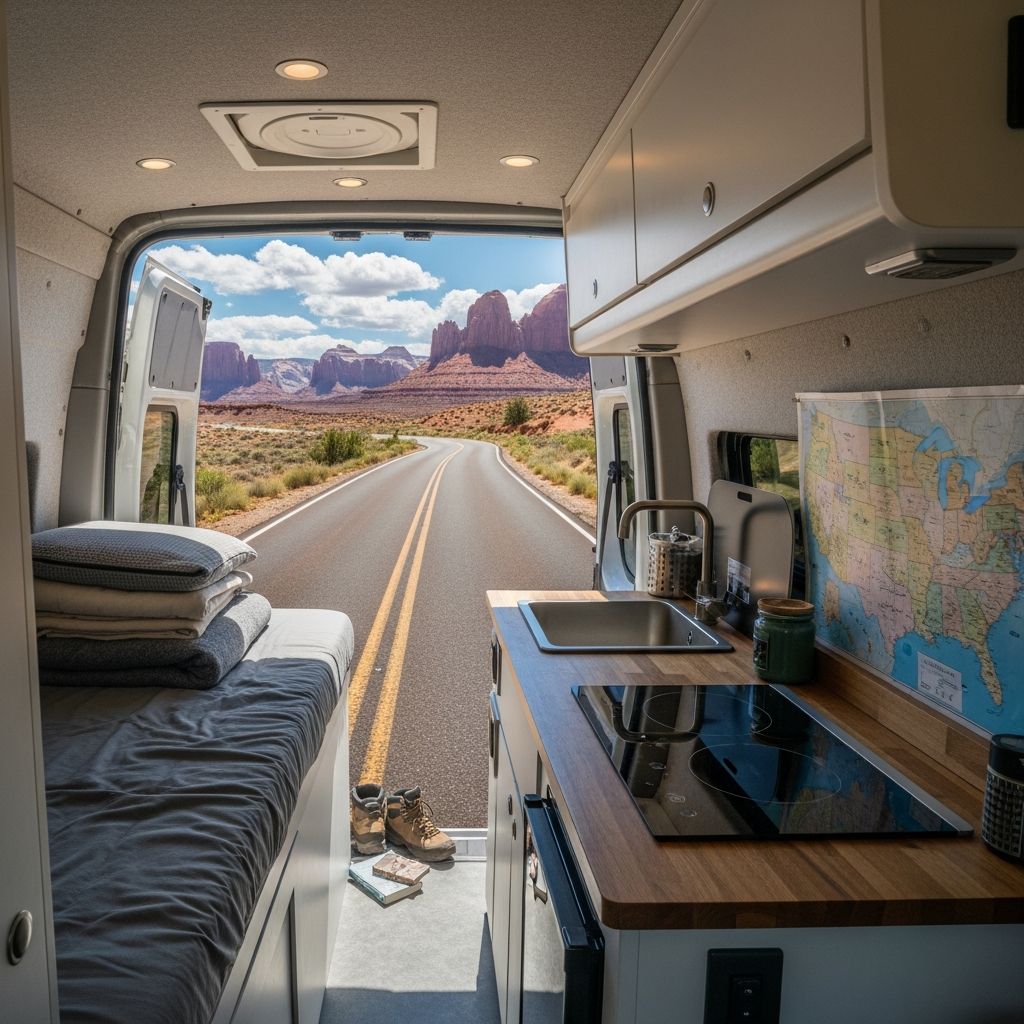
Buying a campervan opens the door to unparalleled freedom, allowing you to explore the vast and varied landscapes of the United States on your own terms. Whether you’re dreaming of coastal highways, national parks, or hidden gems off the beaten path, a well-chosen campervan makes it all possible without the hassle of hotels or flights. This comprehensive guide walks you through every step—from deciding if this lifestyle suits you, to finding the perfect vehicle, budgeting wisely, preparing for the road, and mapping out your journey. With careful planning, you can hit the road confidently, saving money while creating lifelong memories.
Are You Ready for Campervan Life?
The allure of campervan travel is strong, fueled by Instagram reels of sunsets from van roofs and cozy campfire setups. But before diving in, assess if this nomadic lifestyle fits your personality and circumstances. Campervan living demands adaptability: you’ll cook in tight spaces, manage waste responsibly, and embrace off-grid challenges. It’s not all glamour—expect mechanical hiccups, weather delays, and the need for self-reliance.
- Self-sufficiency check: Can you handle basic repairs, like changing a tire or troubleshooting electrical issues?
- Space tolerance: Campervans are compact; if you crave luxury, consider larger RVs instead.
- Budget reality: Initial costs are high, but long-term savings on lodging can offset them.
- Travel style: Ideal for solo travelers, couples, or small families who value flexibility over amenities.
Many thrive on this adventure, but test the waters with a rental first. Platforms like Outdoorsy or RVshare let you try models for a weekend, helping you gauge comfort and driving dynamics without commitment.
Types of Campervans: Finding Your Perfect Fit
Campervans come in various classes, each suited to different needs. Class B (true campervans) are built on van chassis like Mercedes Sprinter, Ford Transit, or Ram ProMaster, offering stealthy parking and maneuverability. Class B+ adds more space on cutaway chassis, while conversions range from basic pop-tops to luxury builds.
| Type | Size & Capacity | Pros | Cons | Price Range (New) |
|---|---|---|---|---|
| Class B | 17-24 ft, 2-4 people | Easy to drive, fuel-efficient, stealth camping | Limited space, basic amenities | $80,000-$150,000 |
| Class B+ | 20-25 ft, 4-6 people | More room, full kitchen/bath | Less agile, higher fuel costs | $100,000-$200,000 |
| DIY Conversion | Varies | Customizable, cheaper | Time-intensive, warranty issues | $20,000-$80,000 |
Consider your trip length, group size, and features like solar panels, wet baths, or slide-outs. For cross-U.S. travel, prioritize 4×4 for off-road parks and ample water storage (at least 20 gallons).
Setting a Realistic Budget
Budgeting is crucial to avoid post-purchase regrets. New campervans start at $80,000, but factor in taxes, fees, insurance ($1,500-$3,000/year), and upgrades. Used models from 2018-2022 offer value at $40,000-$90,000, but inspect rigorously for hidden issues like delamination or engine wear.
- Purchase price: Aim for 10-15% under asking via negotiation.
- Ongoing costs: Fuel (10-18 MPG), maintenance ($1,000/year), campsites ($20-$60/night).
- Upgrades: Solar ($2,000), lithium batteries ($1,500), leveling blocks ($100).
- Total first-year estimate: $100,000+ for new; $60,000 for used.
Financing options include RV loans at 6-10% APR; save 20% down to ease payments. Apps like RV Trader or Craigslist yield deals, but verify titles via Carfax.
How to Find and Inspect Your Campervan
Research via RV Trader, Facebook Marketplace, or dealer sites. Narrow by model (e.g., Winnebago Revel for 4×4 adventures). Visit multiple units—test drive on highways and check:
- Exterior: Roof seals, awning function, tire tread (under 5/32″? Walk away).
- Interior: Plumbing leaks, fridge cooling, slide-out smoothness.
- Mechanical: Oil levels, brakes, battery health (use a multimeter).
- Professional inspection: Hire an RVIA-certified tech ($300-$500).
Negotiate based on findings; sellers often drop 5-10% for repairs. For used, prioritize low-mileage (<20,000) Sprinters with service records.
Essential Modifications and Accessories
Post-purchase, customize for U.S. travel. Facebook groups like Thor Sequence Owners provide real-user tips.
- Power: 200-400W solar, 200Ah lithium batteries for boondocking.
- Comfort: Roof vent fans (MaxxAir), memory foam mattress topper.
- Kitchen: Induction cooktop, portable grill, collapsible sink.
- Safety: Fire extinguisher, CO detector, backup camera.
- Storage: Roof rack for bikes, under-bed organizers.
Budget $5,000-$10,000 for these; install gradually while reading manuals.
Planning Your Cross-U.S. Route
America’s highways beckon with Route 66 nostalgia, Pacific Coast Highway views, or Blue Ridge Parkway serenity. Use apps like iOverlander for free campsites and AllStays for services.
- East Coast: NYC to Florida Keys (I-95, beaches).
- Midwest: Great Lakes to Badlands (scenic drives).
- West: Rockies, Southwest deserts, California coast.
- National Parks: Yellowstone, Yosemite—book sites early via Recreation.gov.
- Timing: Spring/fall to avoid crowds/heat.
Plan 200-300 miles/day; mix boondocking (BLM land) with RV parks.
Daily Life and Maintenance on the Road
Embrace routines: dump tanks at sani-stations, monitor tire pressure (use TPMS), conserve water. Weekly checks prevent breakdowns—oil changes every 5,000 miles. Join Good Sam or Escapees for discounts and roadside aid ($100/year).
Cooking: Stock non-perishables; use solar ovens. Laundry via coin-ops or laundromats. Internet: Starlink or hotspot for remote work.
Safety Tips for Long-Haul Travel
- Weather apps for storms; chain up in mountains.
- Park in well-lit areas; use apps like Park4Night.
- Health kit, satellite communicator for no-signal zones.
- Defensive driving: Maintain 60-65 MPH for MPG.
Frequently Asked Questions (FAQs)
Q: How much does a campervan cost?
A: New Class B vans range $80,000-$150,000; used $40,000-$90,000, plus $5,000-$15,000 in upgrades and fees.
Q: What’s the best campervan for beginners?
A: A Ram ProMaster or Ford Transit Class B for ease of driving and reliability.
Q: Can I boondock across the U.S.?
A: Yes, on BLM/public lands, but follow Leave No Trace and check regulations via apps.
Q: How do I finance a campervan?
A: RV loans from banks like LightStream offer 6-10% APR with 20% down.
Q: What maintenance is needed?
A: Tires, batteries, seals quarterly; full service annually.
References
- Hit the Road: The Ultimate Caravan & Camper Buyer’s Guide — CamperGuru. 2023. https://camperguru.com/caravan-camper-buyers-guide/
- Nick Wharton’s blog – Wise Bread — Wise Bread. 2009-01-01. https://www.wisebread.com/blog/5180
- A Guide for Buying a Camper Van: My Story & Lessons Learned — Backroad Planet. 2021. https://backroadplanet.com/buying-a-camper-van-guide/
- Campervan Buying Guide: Find your Perfect Layout | PART 2 — YouTube (BTR Outfitters). 2023. https://www.youtube.com/watch?v=bgORelnma8M
- Important Class B RV Check List and Campervan Essentials in 4K — YouTube. 2023. https://www.youtube.com/watch?v=kHxCQQar3BY
- How to Buy a Campervan and Travel Across the U.S. — Wise Bread. 2010. https://www.wisebread.com/how-to-buy-a-campervan-and-travel-across-the-us
Similar Articles








Read full bio of Sneha Tete