How To Build Credit With A Credit Card: Complete Guide
Master credit building with the right card strategy and responsible financial habits.

How to Build Credit with a Credit Card
Building credit is one of the most important financial goals you can pursue, as a strong credit score opens doors to better loan rates, favorable credit terms, and increased financial opportunities. Whether you’re just starting your financial journey or working to repair past credit mistakes, using a credit card strategically can be an effective way to establish or rebuild your creditworthiness. This comprehensive guide will walk you through the various credit card options available, practical strategies for building credit responsibly, and important considerations to keep in mind along the way.
Understanding Credit Cards for Building Credit
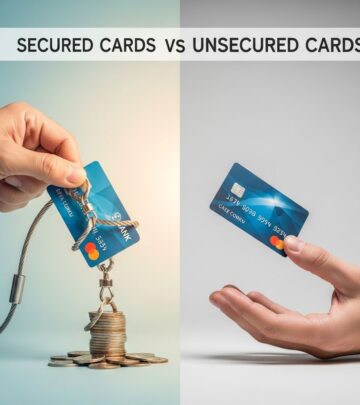
When it comes to building credit with a credit card, it’s essential to understand the different types of cards available and how they work. Credit cards come in two primary categories: secured and unsecured. Each type serves different needs depending on your current credit situation and financial circumstances.
Secured Credit Cards
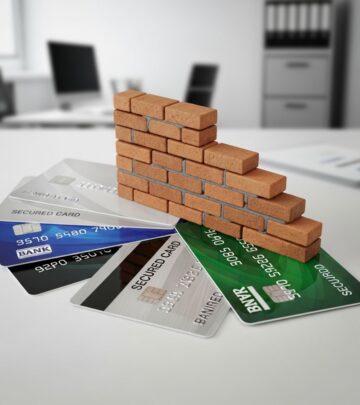
Secured credit cards are specifically designed for individuals with limited or poor credit histories. These cards require you to make an upfront security deposit with the issuing bank when opening the account. Your credit limit is typically set equal to your deposit amount, though you may have the opportunity to increase this limit by providing an additional deposit. The initial security deposit typically ranges from $50 to $300, making these cards accessible for most people looking to start building credit.
The primary advantage of secured credit cards is their accessibility. Since the bank has collateral in the form of your security deposit, they’re much more willing to approve applications from people with no credit history or damaged credit. These cards report your payment activity to all three major credit bureaus—Experian, TransUnion, and Equifax—which is crucial for building your credit history. Many secured cards also offer additional perks such as cash-back rewards on purchases, no annual fees, and no foreign transaction fees, making them attractive options for credit builders.
Unsecured Credit Cards
Unsecured credit cards do not require a security deposit and are the traditional type of credit card most people use. These cards typically offer higher credit limits and may come with more generous rewards programs. However, they are much harder to qualify for if you have limited or poor credit history, as the issuer takes on more risk without collateral backing the account.
Alternative Credit-Building Products
Beyond traditional credit cards, several other financial products can effectively help you build credit.
Credit-Builder Loans
A credit-builder loan is specifically designed for individuals with little or no credit history. Unlike traditional loans where you receive money upfront, credit-builder loans work differently. When you’re approved, the bank deposits your loan amount into a secured savings account rather than giving it to you directly. You then make fixed monthly payments toward this account until you’ve paid back the full amount. The key benefit is that the bank reports all your on-time payments to the three major credit bureaus, helping you establish a positive payment history. At the end of the loan term, you receive the money back, essentially using it as both a credit-building tool and a savings mechanism.
Becoming an Authorized User
Another pathway to building credit is becoming an authorized user on someone else’s credit card account. If you have a trusted friend or family member with an established positive credit history, they can add you as an authorized user to their account. This approach allows both parties to build credit together, as the primary cardholder’s positive payment history can benefit your credit profile. However, this arrangement requires significant trust and financial responsibility from both parties. If either person falls behind on payments or misuses the card, it can negatively impact both credit scores.
How to Build Credit with a Credit Card: Best Practices
Simply having a credit card isn’t enough to build credit effectively. Your behavior and habits with the card are what truly matter. Here are the key strategies for using a credit card to build credit successfully.
Make On-Time Payments
The single most important factor in building credit is making all your payments on time. Payment history accounts for approximately 35% of your credit score, making it the most influential component. Set up automatic payments, calendar reminders, or use your credit card issuer’s alerts to ensure you never miss a due date. Even one missed payment can significantly damage your credit score and take years to recover from.
Keep Your Credit Utilization Low
Credit utilization—the percentage of your available credit that you’re actively using—accounts for about 30% of your credit score. Financial experts generally recommend keeping your utilization ratio below 30%. For example, if your credit limit is $500, try to keep your balance below $150. Maxing out your card demonstrates financial stress and can negatively impact your score. Using your card sparingly and paying it off in full each month shows responsible credit management.
Use Your Card Regularly
While you should use your card sparingly, you should also use it regularly enough that it generates activity. Using your card often but paying it off every month allows credit reporting bureaus to collect more data about your payment behavior. This consistent activity, combined with on-time payments, causes your credit score to increase faster than if you rarely use the card. The key is finding the balance between regular usage and low utilization.
Limit Hard Inquiries
When you apply for new credit, lenders perform hard inquiries into your credit report, which can temporarily lower your score. Each hard inquiry can reduce your score by a few points. To avoid unnecessary damage, only apply for new credit when necessary and avoid applying for multiple cards within a short timeframe. Hard inquiries typically remain on your report for about two years but have the most impact during the first few months.
Monitor Your Credit Progress
Regularly checking your credit score and credit report helps you track your progress and identify any errors or fraudulent activity. You’re entitled to one free credit report from each of the three major bureaus annually through AnnualCreditReport.com. Many credit card issuers and financial institutions also provide free credit score monitoring.
Timeline for Building Credit
The length of time it takes to build credit varies significantly depending on your starting point and how you use your credit card. If you’re establishing credit for the first time with responsible usage, you can see modest improvements within 30 to 60 days as payment history is reported to credit bureaus. However, more substantial credit score improvements typically take several months to a year of consistent, responsible credit behavior. Building credit requires patience, discipline, and commitment to maintaining good habits over an extended period.
What is a Credit Report and How Does It Work?
Your credit report is a detailed record of your credit history maintained by the three major credit bureaus: Experian, TransUnion, and Equifax. It contains information about your credit accounts, payment history, credit inquiries, and public records such as bankruptcies or liens. Credit card issuers report your account activity to these bureaus, which use the information to calculate your credit score. Understanding what’s on your credit report and ensuring its accuracy is crucial for effective credit building. You have the right to dispute any inaccurate information you find on your report.
How to Check Your Credit Score
Several free resources allow you to check your credit score and monitor your progress. Credit Karma provides free credit score tracking and credit report monitoring through TransUnion and Equifax. Many credit card issuers also offer free score tracking to cardholders. Checking your own credit score does not result in a hard inquiry and won’t impact your score. Regular monitoring helps you stay informed about your credit progress and catch potential fraud early.
Frequently Asked Questions
Q: How long does it take to build credit with a credit card?
A: The timeline varies depending on your starting situation and credit behavior. You may see initial improvements within 30-60 days of opening an account and making your first on-time payment. Significant credit score improvements typically take 3-6 months of consistent, responsible usage. Building excellent credit usually takes 1-2 years or longer of maintaining positive credit habits.
Q: What’s the difference between a secured and unsecured credit card?
A: Secured credit cards require a cash security deposit that becomes your credit limit, while unsecured cards do not require a deposit. Secured cards are easier to qualify for and better for people with limited or poor credit history. Both types report to credit bureaus and can help build credit, but unsecured cards typically offer higher limits and better rewards.
Q: Can I build credit without a credit card?
A: Yes, you can build credit through alternative methods including credit-builder loans, becoming an authorized user, paying rent and utility bills on time, and other installment loans. However, credit cards remain one of the most effective tools for demonstrating responsible credit management.
Q: What credit utilization ratio should I aim for?
A: Financial experts recommend keeping your credit utilization below 30%. For example, if your credit limit is $1,000, try to keep your balance below $300. The lower your utilization, the better for your credit score.
Q: Should I carry a balance to build credit?
A: No. Carrying a balance means paying interest, which is unnecessary for credit building. Instead, use your card for regular purchases and pay off the full balance each month. This demonstrates responsible credit management without costing you money in interest.
Q: What happens if I miss a payment on my credit-building card?
A: A missed payment can significantly damage your credit score, as payment history is the most important factor. It will remain on your credit report for up to seven years. If you miss a payment, contact your card issuer immediately to make a payment and avoid further damage.
Q: How do student credit cards compare to secured cards for building credit?
A: Student credit cards and secured cards both cater to people with limited credit history and have more lenient approval requirements than traditional cards. Student cards don’t require a security deposit, while secured cards do. Both report to credit bureaus and can effectively build credit when used responsibly.
Key Takeaways for Building Credit
Building credit with a credit card is an achievable goal when you approach it strategically and responsibly. Secured credit cards offer an excellent starting point for people with limited or poor credit history, as they require smaller deposits and are easier to qualify for. Student cards and retail store cards also provide opportunities for building credit with higher approval odds than traditional cards.
The foundation of successful credit building rests on three pillars: making all payments on time, keeping your credit utilization ratio below 30%, and using your card consistently but cautiously. These habits demonstrate financial responsibility to credit bureaus and gradually improve your credit score. Remember that building credit requires time and discipline—there are no shortcuts to establishing a strong credit history. However, with patience and consistent positive financial behavior, you can establish excellent credit that opens doors to better financial opportunities for years to come.
References
- How to Use a Credit Card to Build Credit — Money. https://money.com/how-to-build-credit-with-a-credit-card/
- 8 Best Credit Cards to Build Credit in 2024 — Money. https://money.com/best-credit-cards-to-build-credit/
- The recent grad’s guide to building credit — Money. https://money.com/college-grad-guide-to-building-credit/
- 8 Steps to Boost your Credit Score Before — and After — Graduation — Money. https://money.com/steps-to-boost-your-credit-score-before-and-after-graduation/
- How to Build Credit Fast — Money. https://money.com/how-to-build-credit/
Similar Articles








Read full bio of Sneha Tete