How to Build Credit Fast: A Complete Guide
Master the essential strategies to build credit quickly and achieve financial success.

How to Build Credit Fast
Building credit doesn’t have to take years. With the right financial moves and smart credit use, you can increase your score faster than you might expect. Whether you’re just starting to build credit or rebuilding after some setbacks, this comprehensive guide will help you achieve your credit goals and level up your financial health.
The good news is that building better credit can take as little as six months of on-time payments on a credit account. By following proven strategies and maintaining discipline, you can establish a solid credit foundation that opens doors to better loan terms, lower interest rates, and improved financial opportunities.
Understanding Credit Importance
Good credit is one of the key elements of financial success. Your credit score influences your ability to borrow money, the interest rates you receive, and even your eligibility for certain jobs or housing opportunities. Payment history is the single most influential category for both FICO and VantageScore—the two main credit scoring models. It accounts for roughly 35% of your credit score, which means paying your debts on time is the most essential step to building good credit.
Step 1: Request and Analyze Your Credit Report
The first step to building your credit is to know where it stands right now. You’ll need to take a close look at your credit reports from all three major credit bureaus: Equifax, TransUnion, and Experian. You can request all three credit reports for free, as frequently as once a week at annualcreditreport.com.
Once you have the reports, sift through them carefully. The goal is to find anything that may be affecting your score, whether it’s:
– A high credit utilization ratio- Frequent hard inquiries- A thin credit file- Missed payments- Erroneous or outdated information
By identifying these issues early, you can take targeted action to improve your credit profile. Look for accounts that may have been closed incorrectly or late payments that should have aged off your report.
Step 2: Dispute Any Errors in Your Credit Report
If you discover inaccuracies or outdated information in your credit report, you have the right to dispute them. Credit bureaus are required by law to investigate disputes and correct errors within a reasonable timeframe. Common errors include:
– Accounts that don’t belong to you- Incorrect account status or payment history- Duplicate entries- Outdated negative information
Filing a dispute is straightforward and can be done online, by mail, or by phone. Don’t overlook this step, as correcting errors can significantly boost your credit score.
Step 3: Pay Your Bills On Time
Payment history is the cornerstone of good credit. Making on-time payments demonstrates to lenders that you’re a reliable borrower and responsible with credit. Here are proven strategies to ensure you never miss a payment:
Set Up Automatic Payments
One of the easiest ways to avoid missed payments is to set up automatic payments through your bank or creditor’s website. This ensures that at least the minimum payment is made on time, every time.
Pay More Than the Minimum
Whenever your budget allows, pay more than the minimum amount due. This reduces your credit utilization ratio and helps you pay off debt faster, saving you money on interest charges.
Use Debt Payment Methods
Two popular debt payment strategies include:
– The Avalanche Method: Tackle the debt with the highest interest rates first, then move to lower-rate debts- The Snowball Method: Pay off the lowest balances first to build momentum and motivation
Set Bill Reminders
Even with automatic payments, stay engaged by setting calendar reminders or using budgeting apps to track when payments are due. This keeps you aware of your financial obligations.
Building Credit With Credit Cards
Credit cards are powerful tools for building credit when used responsibly. Understanding how to leverage them strategically can accelerate your credit-building journey.
Understanding Credit Card Types
There are two main categories of credit cards that can help you build credit:
| Card Type | Best For | Key Features |
|---|---|---|
| Secured Credit Cards | Limited or poor credit history | Requires $50-$300 deposit; deposit becomes credit limit; builds payment history |
| Unsecured Credit Cards | Those with fair credit or better | No deposit required; higher credit limits; more traditional terms |
| Student Cards | College students building credit | Higher approval odds; potential rewards; manageable credit limits |
| Retail Store Cards | Beginners building credit | Easier approval; store-specific rewards; helps establish credit mix |
Make On-Time Payments
This remains your most important credit card behavior. Set up automatic minimum payments and mark due dates on your calendar to prevent late payments that can severely damage your credit.
Keep Balances Low
Your credit utilization ratio—the percentage of available credit you’re using—significantly impacts your credit score. For example, if you have a credit card with a $5,000 credit limit and have used $2,500, you have a credit utilization of 50%. Financial experts recommend keeping your utilization below 30% to maintain a healthy credit score. This means if you have a $5,000 limit, try to keep your balance under $1,500.
Limit Your Credit Inquiries
Each time you apply for new credit, the lender performs a hard inquiry on your credit report. Multiple inquiries within a short period can negatively impact your score. Space out credit applications and only apply for credit when necessary.
Keep Accounts Open
Once you’ve successfully built credit with a card, keep the account open even if you’re not actively using it. Older accounts contribute to your credit age—the average age of your credit accounts—which represents about 15% of your credit score. Closing accounts can reduce your average account age and hurt your score.
Alternative Credit-Building Methods
If credit cards aren’t your preferred approach, several other strategies can help you build credit effectively.
Credit-Builder Loans
A credit-builder loan is specifically designed for people with little or no credit history. Unlike traditional loans, you don’t receive funds upfront. Instead, the bank holds the loan amount in a savings account. You make fixed monthly payments toward this account, and the bank reports your on-time payments to credit bureaus. Once you’ve paid off the loan completely, you receive the funds. This approach helps establish a payment history while building savings.
Become an Authorized User
Another way to build credit is to become an authorized user on someone else’s credit card account. If someone with a positive credit history—such as a parent or trusted family member—adds you to their account, you can benefit from their responsible credit behavior. However, this requires significant trust, as any missed payments or misuse by either party can negatively impact both credit scores.
Monitor Your Credit Regularly
Review your credit report at least every six months, though you can now request free weekly reports. This ongoing monitoring helps you:
– Track your progress toward your credit goals- Catch errors or fraud early- Understand how your financial decisions impact your score- Stay informed about your credit status
Key Factors Impacting Your Credit Score
Understanding what influences your credit score helps you prioritize your efforts. The main factors include:
| Factor | Weight | What It Measures |
|---|---|---|
| Payment History | 35% | Your track record of paying bills on time |
| Credit Utilization | 30% | Percentage of available credit you’re using |
| Credit Age | 15% | Average age of your credit accounts |
| Credit Mix | 10% | Variety of credit types (cards, loans, mortgages) |
| New Inquiries | 10% | Recent credit applications and hard inquiries |
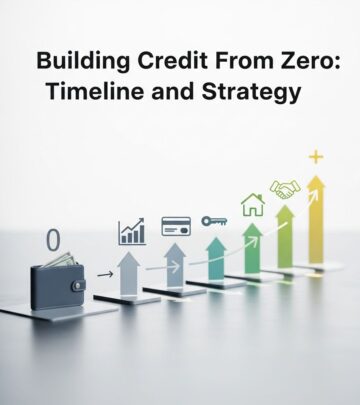
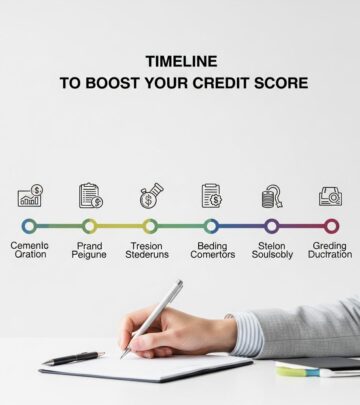
Timeline for Credit Building
Building excellent credit is a marathon, not a sprint. However, you can see measurable progress relatively quickly with consistent effort:
– First 6 months: Establishing a pattern of on-time payments can show initial score improvement- 6-12 months: Continued responsible behavior may result in noticeable score increases- 1-2 years: You can qualify for better credit products and potentially lower interest rates- 2+ years: Negative information ages and falls off, further improving your score
Frequently Asked Questions About Building Credit
Q: How quickly can I build credit?
A: Building better credit can take as little as six months of on-time payments on a credit account. However, achieving excellent credit typically requires 1-2 years of consistent, responsible financial behavior.
Q: Is it better to use a secured or unsecured credit card?
A: If you’re just starting out or have poor credit, a secured card is often the better choice. It requires a deposit but offers a guaranteed way to build credit. Once your score improves, you can transition to unsecured cards with better terms and rewards.
Q: What credit utilization ratio should I aim for?
A: Financial experts recommend keeping your credit utilization below 30%. For example, if your total credit limits are $10,000, try to keep your combined balances below $3,000.
Q: How often should I check my credit report?
A: You can now request free weekly credit reports from each of the three major bureaus. It’s advisable to check at least every six months, or more frequently if you’re actively working on building or repairing your credit.
Q: Can becoming an authorized user really help my credit?
A: Yes, becoming an authorized user on an account with a good payment history can help build your credit. However, ensure the primary cardholder manages the account responsibly, as any missed payments will affect your score too.
Q: How long do negative items stay on my credit report?
A: Most negative items remain on your credit report for 7 years. Bankruptcies can stay for 7-10 years depending on the type. However, their impact diminishes over time as newer positive information is added to your report.
Conclusion
Building credit fast is achievable with the right strategy and commitment. Start by understanding your current credit situation through your credit report, then take action through on-time payments, strategic credit card use, and alternative methods like credit-builder loans. Remember that building credit requires discipline and patience, but the financial benefits—lower interest rates, better loan terms, and improved financial opportunities—are well worth the effort. Begin today, stay consistent, and watch your credit score climb toward excellence.
References
- How to Build Credit Fast — Money Magazine. 2025. https://money.com/how-to-build-credit/
- How to Use a Credit Card to Build Credit — Money Magazine. 2025. https://money.com/how-to-build-credit-with-a-credit-card/
- The Recent Graduate’s Guide to Building Credit — Money Magazine. 2025. https://money.com/college-grad-guide-to-building-credit/
- Understanding Credit Scores — Federal Trade Commission. 2024. https://www.consumer.ftc.gov/articles/0152-credit-scores
- Free Credit Reports and Scores — Consumer Financial Protection Bureau. 2024. https://www.consumerfinance.gov/
- Credit Utilization and Your Credit Score — Experian. 2024. https://www.experian.com/
- Payment History and Credit Building — Equifax. 2024. https://www.equifax.com/
Similar Articles








Read full bio of Sneha Tete