How to Build an Emergency Fund by Year’s End
Practical steps to create a robust emergency fund covering 3-6 months of expenses before the year ends, ensuring financial security.
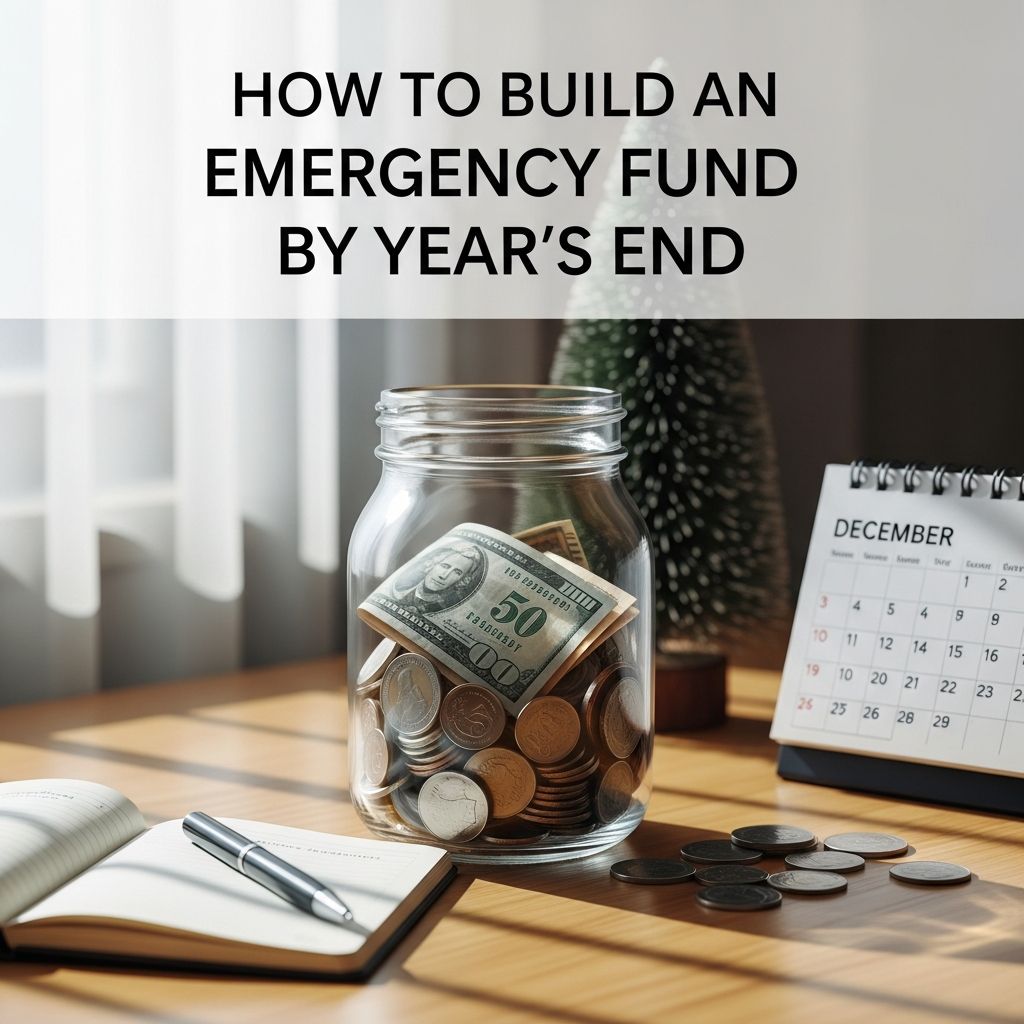
Building an
emergency fund
is essential for financial stability, ideally covering3-6 months
of living expenses to handle unexpected events like job loss or repairs. This guide outlines a step-by-step plan to achieve this goal within the next 12 months, drawing from expert advice on discipline, budgeting, and income strategies.Why You Need an Emergency Fund
An emergency fund acts as a financial safety net, preventing reliance on high-interest debt during crises such as medical emergencies, car breakdowns, or unemployment. Financial experts recommend at least six months of normal expenses, yet many live paycheck-to-paycheck, increasing vulnerability. Without it, unexpected costs lead to credit card debt, compounding financial stress.
Having this cushion provides peace of mind and flexibility, allowing you to endure layoffs or illness without derailing your life. It also enables better decisions, like leaving a toxic job, knowing you have options.
Step 1: Calculate Your Target Amount
Determine your monthly essential expenses: housing, utilities, food, transportation, insurance, and minimum debt payments. Multiply by 3-6 based on your situation—3 months for stable dual-income households, 6 for single earners or variable jobs.
| Expense Category | Monthly Average | 3-Month Total | 6-Month Total |
|---|---|---|---|
| Housing (rent/mortgage) | $1,500 | $4,500 | $9,000 |
| Utilities | $300 | $900 | $1,800 |
| Food | $400 | $1,200 | $2,400 |
| Transportation | $250 | $750 | $1,500 |
| Insurance & Debt Min. | $500 | $1,500 | $3,000 |
| Total | $2,950 | $8,850 | $17,700 |
Example for a $2,950 monthly budget: Aim for $9,000-$18,000. Focus on necessary expenses during unemployment, as discretionary spending drops.
Step 2: Create a Strict Budget
Track every dollar using apps or spreadsheets. Prioritize needs over wants. Review bank accounts, bills, and income timing to avoid disorganization during crises.
- 50/30/20 Rule Adaptation: 50% needs, 20% savings (emergency fund first), 30% wants—cut wants to boost savings.
- Eliminate non-essentials: dining out, subscriptions, impulse buys.
- Automate transfers to a dedicated savings account post-paycheck.
This discipline is key to starting and maintaining the fund.
Step 3: Cut Expenses Ruthlessly
Slash costs to free up cash. Efficient living builds the cushion faster.
- Housing: Refinance mortgage, get roommates, or downsize.
- Transportation: Use public transit, carpool, maintain better gas mileage vehicles.
- Food: Meal prep, buy generics, reduce eating out.
- Utilities: Energy-efficient bulbs, unplug devices, negotiate bills.
- Entertainment: Free activities, library, cancel cable.
Aim to cut 20-30% of monthly spending, redirecting to savings.
Step 4: Boost Your Income
Increase earnings to accelerate fund growth.
- Side Hustles: Gig economy jobs like ridesharing, freelancing, pet sitting.
- Sell Unused Items: Clothes, electronics on marketplaces.
- Overtime/Promotions: Negotiate raises or extra hours.
- Rent Assets: Spare room, car, or parking spot.
Dedicate 100% of extra income to the fund.
Step 5: Choose the Right Savings Vehicle
Keep funds liquid, safe, and earning interest—avoid stocks.
- High-Yield Savings Accounts: Earn 1.7-3.6% vs. 0.05% in standard accounts. FDIC-insured, accessible.
- Short-Term Bond Funds: Low risk, better returns (1.7-3.6%), liquid via Vanguard/Fidelity.
- Money Market or CDs: Stable, but check liquidity.
For $20,000 at 0.05%, earn just $10/year—switch for real growth.
Step 6: Build in Phases
Follow Dave Ramsey-inspired steps: Start with $1,000 “baby fund,” then expand.
- $1,000 starter fund (1-2 months).
- 3 months essentials.
- 6 months full target.
Consider a “second emergency fund” never touched for psychological peace, even in dire straits.
Advanced Strategies
- Short vs. Long-Term Split: Short for quarterly bills/emergencies, long for investments/IRAs if needed.
- Opportunity Funds: Evolve emergency savings into flexible opportunity funds post-basics.
- Avoid Overfunding: Balance with investments; cash loses to inflation.
Common Pitfalls to Avoid
Don’t raid for non-emergencies (e.g., vacations). Define emergencies strictly: job loss, health crises—not wants. Resist frivolous spending; discipline wins.
Frequently Asked Questions (FAQs)
Q: How much should my emergency fund be?
A: 3-6 months of essential living expenses, adjusted for job stability.
Q: Where should I keep my emergency fund?
A: High-yield savings or short-term bond funds for liquidity and modest returns.
Q: What if I have high-interest debt?
A: Build $1,000 first, pay debt, then fully fund.
Q: Can I invest my emergency fund?
A: Only in low-risk, liquid options; avoid stocks for safety.
Q: How do I stay motivated?
A: Track progress monthly, automate savings, celebrate milestones without spending.
Life with an Emergency Fund
Fix things promptly, handle illness/layoffs calmly, avoid debt traps, gain freedom. It’s transformative.
Persist: Review budgets regularly, adjust as life changes. With these steps, you’ll build security by year’s end.
References
- Is Your Emergency Fund Big Enough to Keep You Afloat? — Wise Bread. Pre-2026. https://www.wisebread.com/is-your-emergency-fund-big-enough-to-keep-you-afloat
- How to Earn Money With Your Emergency Fund — Wise Bread. Pre-2026. https://www.wisebread.com/how-to-earn-money-with-your-emergency-fund
- A Second Emergency Fund You Never Spend — Wise Bread. Pre-2026. https://www.wisebread.com/a-second-emergency-fund-you-never-spend
- Is Building an Emergency Fund Always a Good Idea? — Wise Bread. Pre-2026. https://www.wisebread.com/is-building-an-emergency-fund-always-a-good-idea
- How to Budget During a Crisis — Wise Bread. Pre-2026. https://www.wisebread.com/how-to-budget-during-a-crisis
Similar Articles








Read full bio of medha deb