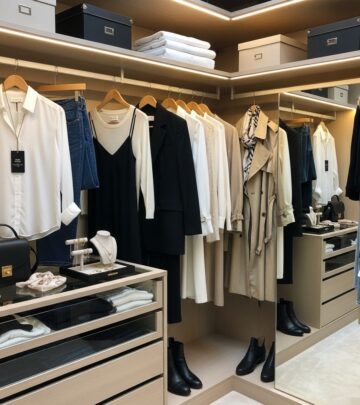
How To Build A Style Uniform That Saves You Money
Create a simple, stylish personal uniform that fits your lifestyle, cuts decision fatigue, and keeps your clothing budget under control.
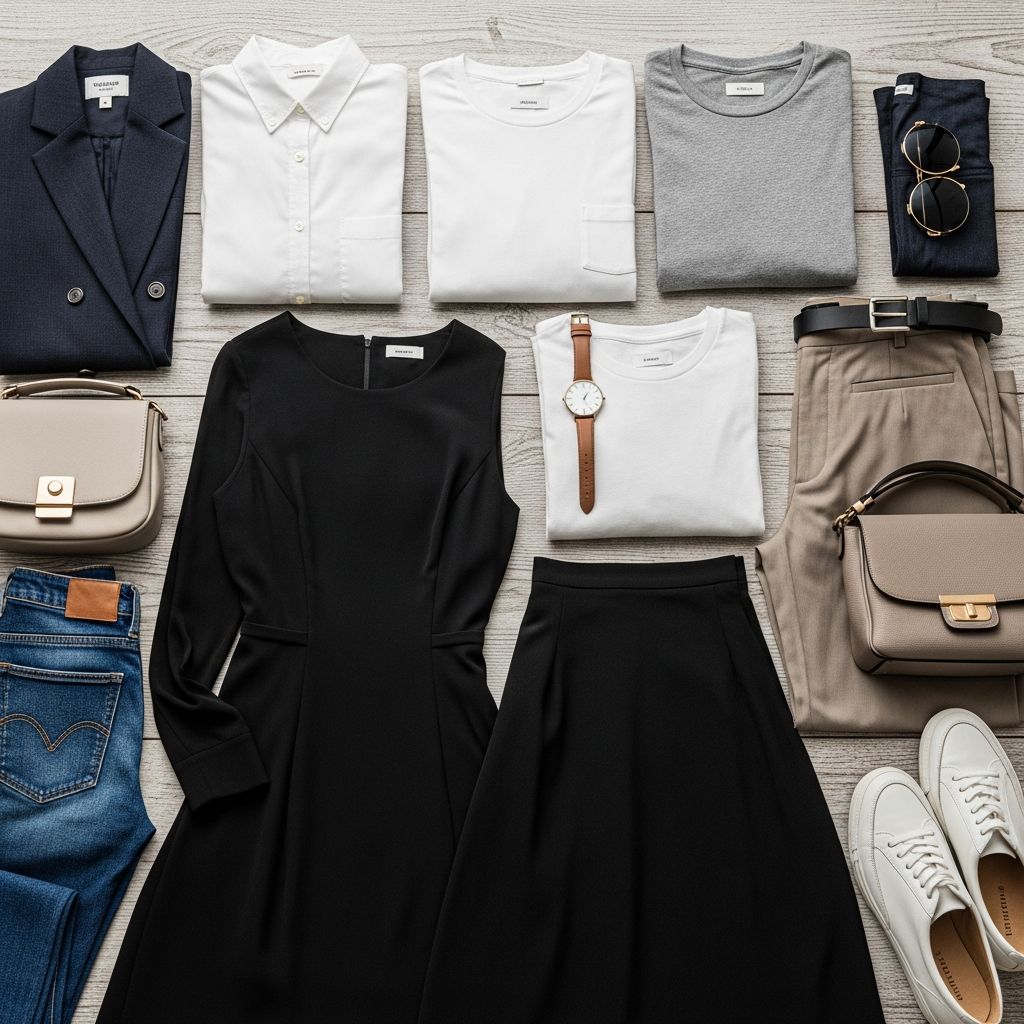
A well-planned style uniform can save you time, mental energy, and a surprising amount of money, all while helping you look polished and confident every day. Instead of staring at a full closet and feeling like you have nothing to wear, you decide in advance what your go-to outfits are and put your wardrobe on autopilot.
This guide explains what a style uniform is, the benefits it offers, how to know if it is right for you, and step-by-step tips to create your own uniform using mostly what you already own. You will also learn how it improves your finances and how to experiment until you find a system that fits your lifestyle.
What Is A Style Uniform (Personal Uniform)?
A style uniform, also called a personal uniform, is a repeatable outfit formula you wear most days, made up of a small set of clothing pieces that you love and that suit your lifestyle. Instead of owning dozens of random items, you focus on a core set of silhouettes, colors, and fabrics that you mix and match in predictable ways.
Think of it as a consistent “template” for dressing. The exact items can change, but the overall look stays similar. For example:
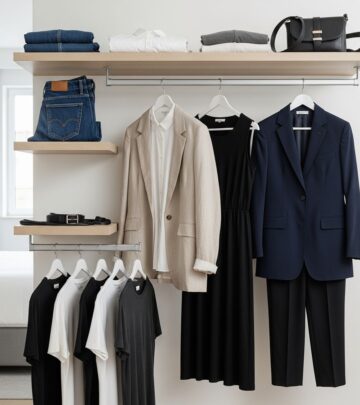
- Office uniform: slim pants + blouse or knit top + blazer + low heels or loafers
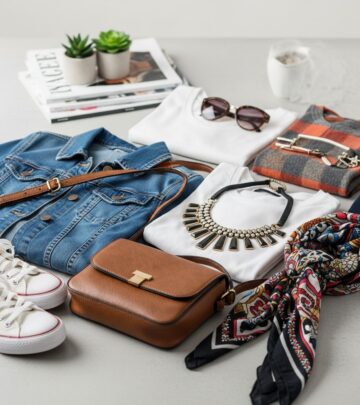
- Casual uniform: straight-leg jeans + t-shirt + cardigan or denim jacket + sneakers
- Creative work uniform: midi dress + belt + ankle boots + one statement accessory
Many successful people adopt some form of uniform to reduce decision fatigue and save time. Research in behavioral economics and psychology shows that daily decisions, even small ones like what to wear, can drain mental energy that could be used for more important tasks. By simplifying clothing choices, you free up attention for work, family, and goals.
What A Style Uniform Is Not
Adopting a uniform does not mean you wear exactly the same outfit every single day or give up personal style. Instead, you:
- Define a narrow range of outfits that you feel good in.
- Repeat those outfits with small variations in color, fabric, or accessories.
- Shop more intentionally, choosing pieces that fit your overall formula.
Your uniform can be colorful or neutral, classic or edgy, feminine or androgynous—what matters is that it works for your real life.
Benefits Of A Personal Uniform
A personal uniform creates structure around your wardrobe, which translates into less stress and more clarity in other areas of life. Key benefits include:
Less Decision Fatigue
Every choice you make during the day uses a bit of mental energy. Psychologists refer to this as decision fatigue, and it can reduce self-control and the quality of decisions later in the day. By deciding your outfit formula in advance, you:
- Spend less time debating what to wear each morning.
- Reduce stress before work or important appointments.
- Preserve mental energy for tasks that actually move your life and finances forward.
Clear, Consistent Personal Style
When you wear similar types of outfits most days, your personal style becomes more consistent and recognizable. This can help you:
- Look more put-together in photos and at events.
- Feel more comfortable because you know what works on your body.
- Communicate a coherent image in professional settings.
More Time For Creativity
By simplifying one area of life—your clothes—you create mental space for creativity elsewhere. Instead of spending time scrolling shopping sites or agonizing over outfits, you can:
- Work on career projects or a business idea.
- Learn new skills that support your financial goals.
- Enjoy hobbies and relationships that matter to you.
People who streamline routine tasks often report greater focus and productivity, which can tie into improved earnings and career outcomes over time.
Less Clutter, More Calm
Owning fewer, more versatile items means:
- A closet that is easier to organize and clean.
- Less visual clutter and overwhelm.
- Fewer forgotten items buried in the back of a drawer.
This simplified environment can also lower stress levels and make your home feel more peaceful.
Is A Style Uniform Right For You?
Almost anyone can benefit from a more intentional wardrobe, but a style uniform is especially helpful if you experience any of the following:
- You frequently say, “I have nothing to wear,” despite a full closet.
- You buy clothes on sale or on impulse and rarely wear them.
- You feel overwhelmed choosing outfits for work or events.
- You are trying to get your budget under control and want to spend less on clothing.
- You love the idea of a capsule wardrobe or minimalist lifestyle.
If you have a job or lifestyle with clear clothing patterns—such as a traditional office, teaching, healthcare, or working from home—a uniform can be particularly effective. But even if your days vary, you can still create a few core outfit formulas for your most common activities.
| Situation | Uniform Approach |
|---|---|
| Corporate office | Blazers, tailored pants, simple blouses, low heels or loafers |
| Casual office or remote work | Dark jeans, knit tops, cardigans, clean sneakers or flats |
| Stay-at-home or caregiving | Comfortable jeans or leggings, soft tops, washable layers |
| Fieldwork or physical jobs | Durable pants, breathable shirts, practical outerwear and shoes |
Tips For Creating Your Personal Style Uniform
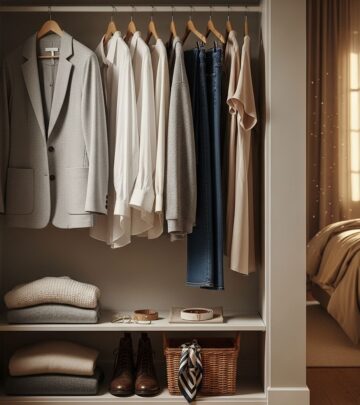
You do not need to start from scratch or buy a new wardrobe. You can build your uniform mostly from what is already in your closet.
1. Choose A Style Uniform That Fits Your Lifestyle
Start by looking at your actual weekly schedule. Consider:
- How many days you work and dress for your job.
- How often you exercise, attend events, or dress up.
- How much walking, commuting, or outdoor time you have.
Then choose silhouettes and fabrics that make sense. For example:
- If you walk a lot or take public transit, prioritize comfortable shoes and weather-appropriate layers.
- If you work in a creative field, you might allow more color or statement pieces within a consistent base formula.
- If you spend much of your day at home, choose soft, breathable fabrics that still look presentable on video calls.
2. Audit Your Wardrobe
A wardrobe audit helps you see what you already have and what you truly wear. This is a key step in controlling clothing spending, which can otherwise take up a larger share of the budget than you realize.
Pull out your clothes and ask:
- What do I wear repeatedly? These are your core uniform pieces.
- What items make me feel confident and comfortable? Note colors, fits, necklines, and fabrics.
- What do I rarely or never wear? These are often impulse buys, trend pieces, or items that do not fit.
Separate items into piles:
- Keep and build your uniform around these.
- Tailor or repair.
- Donate, resell, or recycle.
This process not only clarifies your style but can also prevent future wasteful purchases.
3. Identify Your Core Outfit Formulas
Look at your “keep” pile and notice patterns. Define 1–3 basic formulas for your main activities, such as:
- Work formula: ankle pants + shell top + cardigan
- Weekend formula: relaxed jeans + t-shirt + light jacket
- Evening formula: midi dress + earrings + simple heels
Write these formulas down or take photos of sample outfits so you can reference them quickly when getting dressed.
4. Decide On A Color Palette
A limited color palette makes mixing and matching easier and reduces the urge to buy random pieces that do not go with anything. Consider:
- Base neutrals: black, navy, gray, beige, or white.
- Accent colors: 2–3 shades you love and that flatter your skin tone.
- Patterns: stripes, simple prints, or solids that work with your base colors.
Neutrals and cohesive color schemes can help outfits look more expensive and polished even if the pieces themselves are affordable.
5. Fill In Strategic Gaps (Slowly)
After your audit, you may notice a few missing pieces that would make your uniform work better—such as a versatile pair of pants, a layering sweater, or comfortable shoes.
Instead of rushing to buy everything at once:
- Make a short, prioritized shopping list.
- Set a specific clothing budget based on your overall financial plan.
- Focus on quality and fit, especially for pieces you will wear frequently.
- Consider buying secondhand or on sale for classic items.
How A Style Uniform Saves You Money
Beyond simplifying your mornings, a style uniform has clear financial benefits. By being more intentional with your wardrobe, you can cut down on unnecessary spending and redirect money toward savings, debt payoff, or investing.
You Make Better Buying Decisions
Once you know your uniform formula, you recognize which items fit your style and which do not. This helps you:
- Ignore trends that clash with your lifestyle or body type.
- Avoid buying pieces that only work with one specific outfit.
- Stop buying duplicated items you already own.
You can also evaluate potential purchases with clear questions:
- Does this fit into at least one of my outfit formulas?
- Can I style it at least three different ways?
- Will I realistically wear it weekly or monthly, not just “someday”?
You Do Not Need To Purchase As Much
Because your wardrobe has a plan, you naturally need fewer items. Typical uniforms rely on:
- A small number of pants, skirts, or dresses in neutral colors.
- A handful of tops and layers that pair with everything.
- 2–3 pairs of shoes that work across multiple situations.
This is similar to a capsule wardrobe approach, where a limited number of versatile pieces can create a wide range of outfits. Over time, this reduces the volume of clothing you buy each year.
You Can Redirect Extra Money To Bigger Goals
If you previously spent freely on clothing, adopting a uniform can free up a meaningful amount of money. According to consumer spending data, apparel is a regular category in many households’ budgets, and reducing discretionary spending can speed up progress toward goals like building an emergency fund or paying down debt.
Some ideas for where to send the savings:
- Emergency fund: Build a cushion of 3–6 months of essential expenses.
- Debt payoff: Make extra payments on high-interest debt.
- Investing: Increase retirement contributions or invest in a diversified portfolio.
- Education or career growth: Courses, certifications, or tools to increase your income.
Try Out A Personal Style Uniform
A personal style uniform is not all-or-nothing. You can experiment, adjust, and create more than one uniform for different parts of your life.
Start With A Short-Term Experiment
Instead of committing forever, try:
- Choosing one simple outfit formula and using it for workdays for 2–4 weeks.
- Taking photos of your outfits to see what you like and what feels repetitive.
- Noticing how much time and stress you save in the morning.
After the trial, refine your uniform by adjusting colors, fit, or accessories.
Use Items And Colors You Truly Enjoy
Your uniform should feel like you, not a costume. Focus on:
- Silhouettes you reach for repeatedly (e.g., wide-leg vs. skinny pants).
- Necklines and lengths that you find comfortable.
- Colors that make you feel confident when you see yourself in the mirror or on video.
Allow Variety Through Accessories
If you enjoy expressing personality, keep your core clothing simple and vary:
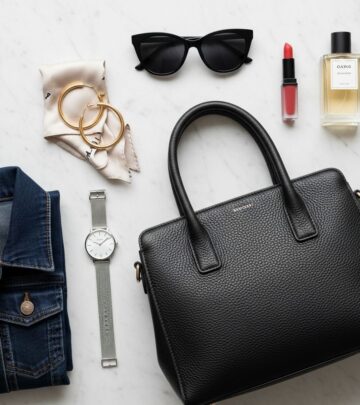
- Jewelry (earrings, necklaces, bracelets).
- Scarves, belts, and bags.
- Lip color, hair accessories, or even nail polish.
This lets you maintain a consistent base while still having fun with your look.
Be Patient As You Adjust
Creating a style uniform is a process. It may take a few tries to find the right formula. Treat it as an ongoing experiment:
- Note which outfits you repeat without thinking—that is your uniform emerging.
- Gradually let go of items that do not fit your new system.
- Update your wardrobe seasonally while staying within your chosen formulas and budget.
Frequently Asked Questions (FAQs)
Q: Will a style uniform make my outfits boring?
A: Not if you design it intentionally. A style uniform is about repeating a formula, not a single outfit. You can vary colors, fabrics, and accessories while keeping the same basic structure, which actually makes it easier to look consistently polished.
Q: Do I have to get rid of most of my clothes to have a uniform?
A: No. Start by identifying what you already wear the most and build your uniform around those items. Over time, you can decide whether to declutter or keep extra pieces for special occasions.
Q: Is a style uniform the same as a capsule wardrobe?
A: They are related but not identical. A capsule wardrobe is a small set of versatile pieces that all mix and match, while a style uniform focuses on the repeatable outfit formulas you wear most. Many people use both concepts together.
Q: How many uniforms should I have?
A: Many people do well with 1–3 core formulas—for example, one for work, one for casual days, and one for evenings or events. The exact number depends on how varied your lifestyle and dress code needs are.
Q: Can I still enjoy fashion trends if I have a uniform?
A: Yes, but consider trends as occasional accents, not the foundation of your wardrobe. You might allocate a small portion of your clothing budget to trend items while keeping your main uniform pieces timeless and versatile.
References
- Vohs, K. D. et al., “Decision fatigue exhausts self-regulatory resources” — Journal of Personality and Social Psychology. 2008-05-01. https://doi.org/10.1037/0022-3514.94.4.883
- Baumeister, R. F. et al., “Ego depletion: Is the active self a limited resource?” — Journal of Personality and Social Psychology. 1998-05-01. https://doi.org/10.1037/0022-3514.74.5.1252
- Kahneman, D., “Thinking, Fast and Slow” — Farrar, Straus and Giroux. 2011-10-25. https://us.macmillan.com/books/9780374533557/thinkingfastandslow
- U.S. Bureau of Labor Statistics, “Consumer Expenditures in 2023” — U.S. Department of Labor. 2024-09-10. https://www.bls.gov/news.release/cesan.nr0.htm
- U.S. Environmental Protection Agency, “Textiles: Material-Specific Data” — EPA. 2024-01-12. https://www.epa.gov/facts-and-figures-about-materials-waste-and-recycling/textiles-material-specific-data
- American Psychological Association, “The decision-making process” — APA. 2021-06-01. https://www.apa.org/topics/decision-making
- Federal Trade Commission, “Budgeting and Saving” — FTC Consumer Advice. 2022-07-01. https://consumer.ftc.gov/articles/budgeting-saving
Similar Articles








Read full bio of medha deb