Baby Budget Guide With Worksheets And Sample Costs
Learn how to plan for baby expenses, balance your budget, and use worksheets to stay financially prepared.
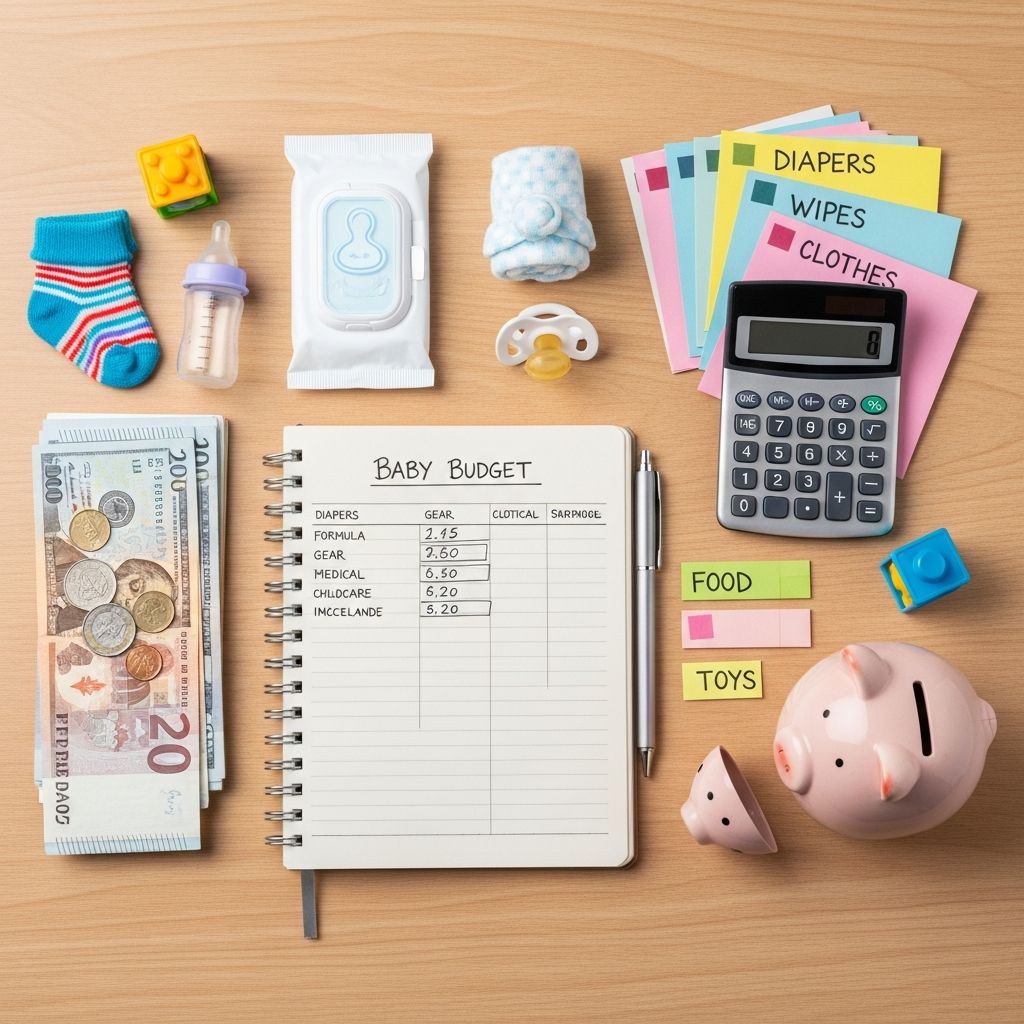
You are about to welcome a new baby into your life, and along with the joy comes a whole set of new expenses. A clear and realistic baby budget helps you understand how much life with a baby may cost and how to prepare for those changes in a calm, organized way.
In this guide, you will learn what to include in your baby budget, see example monthly costs, and discover baby budget worksheets and spreadsheets that can make planning much easier. The goal is not perfection but confidence, so you can focus more on your baby and less on money stress.
Why You Need A Baby Budget
A baby budget is simply a spending plan that accounts for the new costs that come with having a child. It helps you map out everything from diapers to childcare, compare it to your income, and decide how you will cover those expenses in a sustainable way.
A baby budget helps prepare for all relevant costs
Every baby is different, and costs can vary a lot by location, lifestyle, and health needs. However, there are common expense categories that most families experience, especially in the first year.
- Basic care items such as diapers, wipes, and baby laundry supplies.
- Feeding costs including formula, bottles, breastfeeding supplies, or baby food.
- Clothing and bedding for rapid growth and seasonal changes.
- Healthcare costs like insurance premiums, co-pays, and prescriptions.
- Childcare expenses such as daycare, a nanny, or occasional babysitting.
- Long-term savings goals like emergency funds and education savings.
Research from the U.S. Department of Agriculture has shown that raising a child is a major long-term financial commitment, with costs influenced by housing, food, childcare, and education over many years. Starting with a simple baby budget gives you a framework to plan for at least the first year of expenses without feeling overwhelmed by the bigger lifetime numbers.
You can balance income vs. costs with a custom baby budget
A baby budget is only useful if it reflects your real financial situation. That means comparing the new baby-related expenses to your current income, bills, and savings goals.
Key steps to keep your budget balanced include:
- Listing all household income, including both partners’ paychecks, benefits, and any expected parental leave pay.
- Writing down current fixed expenses such as rent or mortgage, utilities, insurance, debt payments, and subscriptions.
- Estimating new baby costs and adding them to your monthly budget, even while you are still pregnant.
- Adjusting spending in flexible categories (like dining out or shopping) to make room for baby priorities.
- Keeping an emergency fund so you are not forced into debt when something unexpected happens.
Financial planners and consumer protection agencies consistently recommend maintaining an emergency fund of at least three months of essential expenses, and often more if you have children, because families with kids face higher risks of surprise medical bills and job interruptions.
How To Create A Baby Budget (With Sample Costs)
To build your own baby budget, start with a simple list of categories and estimated amounts. You can refine these estimates over time as you learn what your baby actually needs and how your routine develops.
Step 1: List your baby expense categories
Begin by writing down the main categories of baby costs you expect in the first year. Below is a common structure you can use as a starting point:
- Baby essentials (diapers, wipes, laundry, cleaning supplies)
- Feeding (formula, breastfeeding supplies, baby food)
- Clothing and gear (clothes, blankets, stroller, car seat)
- Healthcare (insurance, co-pays, prescriptions)
- Childcare (daycare, nanny, babysitter)
- Savings (emergency fund, college savings)
Once categories are defined, you can research typical price ranges in your area and plug in estimates.
Step 2: Estimate monthly baby expenses
The table below shows an example baby budget with sample monthly cost ranges. Your numbers may differ, but this can help you build a baseline for your own spreadsheet.
| Expense | Estimated Monthly Cost |
|---|---|
| Diapers | $70 – $80 |
| Wipes | $20 – $30 |
| Laundry supplies (baby detergent, stain remover) | $20 |
| Formula / baby food / feeding supplies | $150 – $200 |
| Baby clothing | $50 – $100 |
| Cleaning & household supplies | $20 |
| Health insurance (baby’s share of premium) | $400 – $600 |
| Medical co-pays & prescriptions | $50 – $100 |
| Childcare (daycare or nanny) | $1,100 – $1,500 |
| Emergency savings contribution | $40 – $185 |
| College savings (529 or other) | As affordable |
| Estimated monthly total | ≈ $1,920 – $2,785 |
| Estimated annual total | ≈ $23,040 – $33,720 |
These numbers are illustrative. Studies of child-rearing costs and national childcare data show that childcare and healthcare are often the largest ongoing expenses for young families, especially in urban areas. It is helpful to compare local childcare rates, your health insurance options, and grocery prices to refine this template for your situation.
Step 3: Compare your estimates to your current budget
After you have a draft of your baby budget, integrate it into your current monthly budget:
- Add up all baby-related monthly costs from your table.
- Insert these categories into your existing budget or budgeting app.
- Check whether your income covers current expenses plus baby costs.
- If there is a shortfall, decide where to cut back, how to increase income, or whether you need more time to save before the baby arrives.
Consumer finance experts advise that expecting parents also consider the impact of parental leave on income and plan ahead for any unpaid time off. Building a cash cushion for this period can reduce the need to borrow or use high-interest credit cards.
Step 4: Plan for savings and long-term goals
Beyond monthly bills, your baby budget should include savings goals that protect your family over time:
- Emergency fund: Aim to build or maintain at least three months of essential expenses, and more if your work or childcare situation is unstable.
- Health-related funds: If you have a high-deductible health plan, consider contributing to a Health Savings Account (HSA) if you are eligible, which offers tax advantages.
- Education savings: When able, you can begin small contributions to a 529 plan or similar education account; even modest monthly amounts can grow over time through investment returns.
These savings categories do not need to be fully funded immediately. You can start with small, consistent contributions and increase them as your income or budget allows.
Baby Budget Spreadsheet And Worksheet Examples
Using a worksheet or spreadsheet can make all of this planning easier. Instead of trying to remember every detail, you can plug your numbers into a template, track your spending over time, and quickly see where you are on target or over budget.
What to look for in a baby budget worksheet
A helpful baby budget worksheet should include:
- A clear list of baby expense categories with space for your own notes.
- Columns for budgeted versus actual spending each month.
- Sections for one-time costs (like nursery setup) and recurring monthly expenses.
- Room to track savings contributions, such as emergency fund and college savings.
- Simple formulas (in a spreadsheet) that total your costs and compare them to income.
Templates that are designed specifically for babies and new parents often come pre-filled with common items so that you do not forget essentials. They can also remind you to think about maternity or parental leave, health insurance changes, and other details that are easy to overlook.
Example: A detailed baby budget spreadsheet
Many parents like a spreadsheet that breaks costs down into small line items so they can adjust numbers as they shop and learn. A typical spreadsheet might include:
- Separate lines for newborn, 3–6 month, and 6–12 month clothing sizes.
- Diaper counts and cost per diaper, so you can compare brands and bulk purchases.
- Separate formula and breastfeeding supply lines, which you can adjust depending on how feeding goes.
- Columns for planned purchases versus gifts or secondhand items, so you can avoid overbuying.
As you use this kind of sheet, you can update your estimates with real spending and see whether you are on track or need to adjust.
Example: A baby budget worksheet with maternity leave planning
Some worksheets focus strongly on planning for maternity or parental leave. These can help you calculate:
- How many weeks of paid leave you will receive and at what percentage of your salary.
- How many weeks may be unpaid and how much income you will lose during that time.
- How much you need to save before the baby arrives to cover any income gaps.
- How your benefits, such as health insurance or retirement contributions, might change during leave.
Because paid leave policies in many countries, including the United States, can be limited or complex, tools that help you map out your specific situation are extremely valuable.
Practical Tips To Make Your Baby Budget Work
Having a baby budget is only the first step. Making it work in real life requires some practical strategies and flexibility.
- Start early: Begin estimating costs and adjusting your budget during pregnancy so you have time to adapt.
- Track your spending: Use an app, spreadsheet, or notebook to record baby expenses in the first few months; update your budget as you learn your real numbers.
- Prioritize needs over wants: Focus on safety-approved gear and essentials; skip or delay trendy or nonessential purchases.
- Buy used when safe: Clothing, many toys, and some gear can be purchased secondhand, but always check safety guidelines for items like cribs and car seats.
- Plan for growth: Babies grow quickly. Avoid overbuying in any one size and consider how seasonal clothing will line up with your baby’s age.
- Review regularly: Revisit your baby budget every few months and after major changes such as returning to work, switching childcare, or changing health insurance.
Frequently Asked Questions (FAQs)
Q: When should I start working on my baby budget?
A: Ideally, start your baby budget during pregnancy, as soon as you feel ready to think about money. This gives you several months to research costs, adjust your regular budget, and build up any savings you need before the baby arrives. If your baby is already here, start now; it is never too late to get organized.
Q: How much does a baby cost per month?
A: Monthly baby costs vary widely by location and family choices, but a realistic range that includes diapers, feeding, clothing, healthcare, and childcare can easily reach around $1,000 or more per month, especially once childcare is included. Your own number may be lower or higher depending on whether you have paid leave, family support, or low-cost childcare options.
Q: What if my income does not cover the baby budget I created?
A: If you discover a gap between your income and your projected baby expenses, consider trimming optional spending, delaying nonessential purchases, looking for ways to increase income, or adjusting childcare arrangements. You may also choose to build a larger cash cushion before taking unpaid leave or to create a longer timeline for certain savings goals.
Q: Do I really need to save for college while my baby is still an infant?
A: Saving for education during infancy is optional and should come after essentials and an emergency fund are in place. However, if your budget allows, small monthly contributions to a tax-advantaged education savings plan, such as a 529 plan in the United States, can grow significantly over time because of compound investment returns.
Q: How often should I update my baby budget?
A: In the first year, review your budget at least every one to three months, or when your situation changes—such as returning to work, switching childcare arrangements, or experiencing a change in health insurance. As your child grows and expenses stabilize, you can move to a quarterly or annual review schedule.
References
- Expenditures on Children by Families, 2015 — U.S. Department of Agriculture, Center for Nutrition Policy and Promotion. 2017-01-13. https://www.fns.usda.gov/resource/expenditures-children-families-2015
- Planning for Parenthood: Financial Steps to Take Before Having a Baby — Consumer Financial Protection Bureau. 2020-07-09. https://www.consumerfinance.gov/about-us/blog/planning-for-parenthood-financial-steps-take-having-baby/
- Emergency Funds — Federal Deposit Insurance Corporation (FDIC). 2022-03-01. https://www.fdic.gov/resources/consumers/money-smart/adding-it-up/emergency-funds.html
- The U.S. and the High Cost of Child Care: 2019 — Child Care Aware of America. 2019-12-01. https://www.childcareaware.org/our-issues/research/the-us-and-the-high-price-of-child-care-2019/
- Health Savings Accounts (HSAs) — Internal Revenue Service. 2023-11-01. https://www.irs.gov/publications/p969
- 529 Plans: Questions and Answers — U.S. Securities and Exchange Commission (SEC). 2023-06-27. https://www.investor.gov/introduction-investing/investing-basics/education-savings/529-plans
- Employment Characteristics of Families — 2023 — U.S. Bureau of Labor Statistics. 2024-04-18. https://www.bls.gov/news.release/famee.nr0.htm
Similar Articles








Read full bio of Sneha Tete