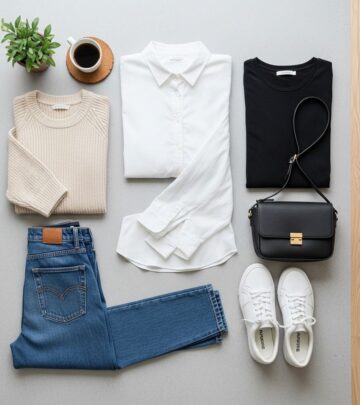
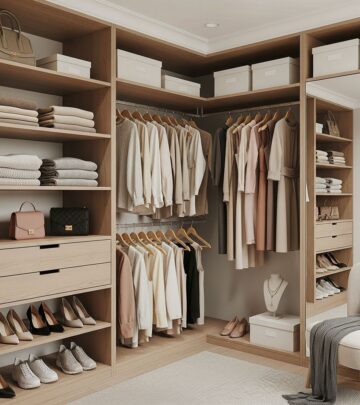
How to Build a Downsized Wardrobe You Love
Simplify your closet, save money and time with a curated capsule wardrobe of versatile, high-quality pieces you truly adore.
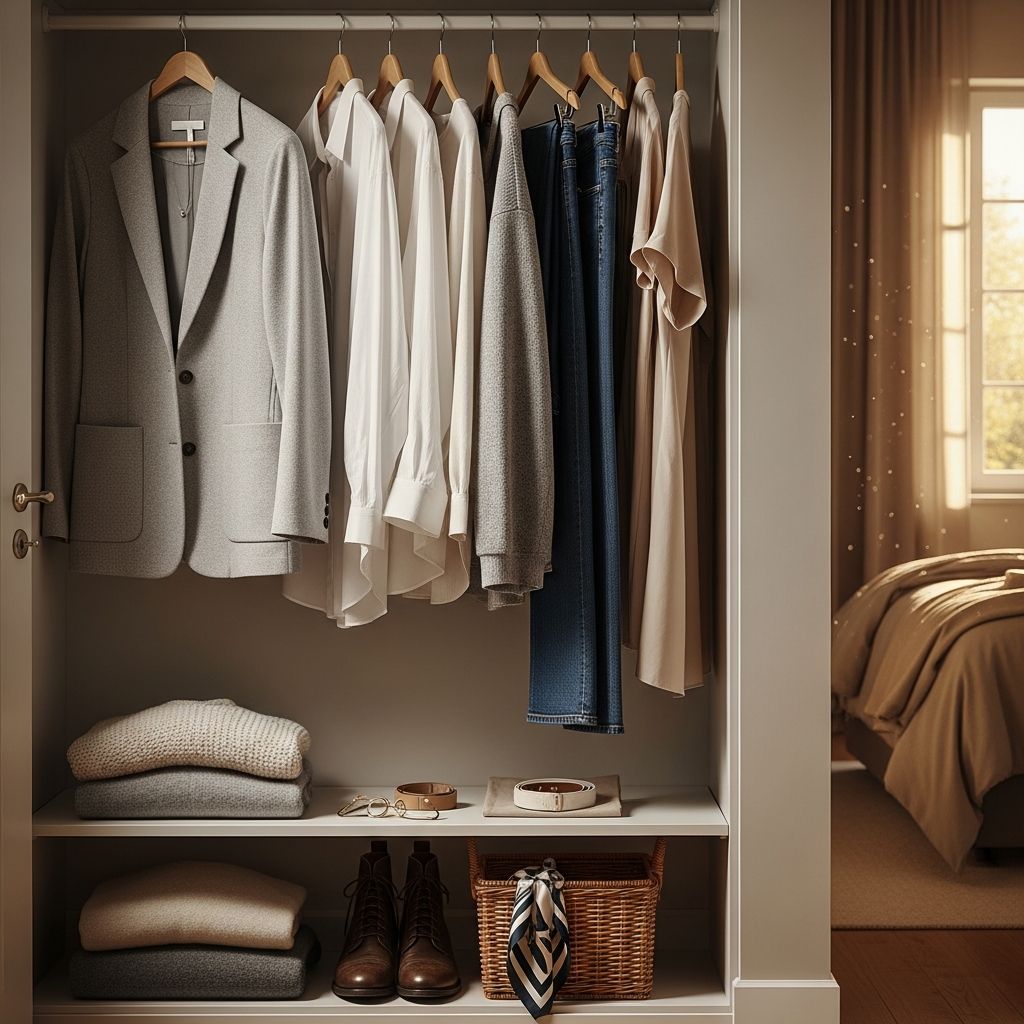
Building a downsized wardrobe doesn’t mean sacrificing style or variety—it’s about curating a collection of versatile, high-quality pieces that you genuinely love and wear frequently. Most people only wear a small fraction of their clothes, so focusing on favorites saves money, space, and decision-making stress.
Why Downsize Your Wardrobe?
A bloated closet leads to morning frustration, impulse buys, and wasted money on unworn items. Downsizing creates a capsule wardrobe—a compact set of interchangeable clothes that maximize outfits while minimizing clutter. Benefits include less time dressing, reduced guilt over unused purchases, and lower spending by replacing only what wears out.
- Time savings: Everything matches, eliminating outfit indecision.
- Money savings: Cut expenditures by nearly half by avoiding cheap, impulsive buys.
- Space and mental clarity: A curated closet reflects your style and lifestyle.
- Sustainability: Fewer low-quality items mean less waste.
Studies and personal experiments show capsule wardrobes work for busy lives, from parents to professionals, proving creativity thrives with fewer choices.
Step 1: Purge Ruthlessly
Start by emptying your closet completely. Evaluate each item honestly: Does it fit? Is it in good condition? Have you worn it in the last six to 12 months? Love it or love how it makes you feel? If not, donate, sell, or recycle.
| Keep | Toss/Donate |
|---|---|
| Fits well, versatile, high-quality, frequently worn | Outdated, ill-fitting, stained, unworn in a year |
| Matches your lifestyle and style | Impulse buys, duplicates, poor quality fast fashion |
After purging, you might end up with 20-30 core pieces like pants, tops, sweaters—excluding shoes, accessories, workout gear, or formal wear stored seasonally. This clarifies gaps and strengths in your collection.
Purging Tips
- Use the one-year rule: If unworn for a year, it’s unlikely to be.
- Try everything on—comfort and fit trump sentimentality.
- Photograph your closet before/after for motivation.
- Shop thrift for replacements if needed, prioritizing quality brands at low cost.
Step 2: Define Your Style and Lifestyle
A mismatched wardrobe feels incomplete. Conduct a lifestyle audit: List daily activities (work, errands, exercise, social events) and preferred aesthetics (classic, boho, minimalist).
Create a vision board: Clip magazine images or save online inspirations that align with your needs. This prevents trend-chasing and emotional shopping.
- Questions to ask:
- Does it suit my current life stage (e.g., parenting, office work)?
- Is my style defined, or am I trend-driven?
- Are pieces quality enough to last?
Refine as life changes—your wardrobe should evolve, not overwhelm.
Step 3: Build Your Capsule Collection
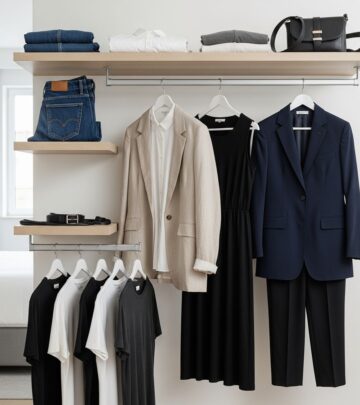
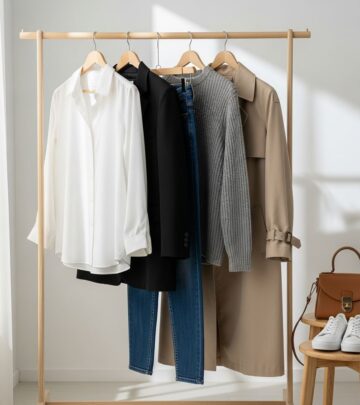
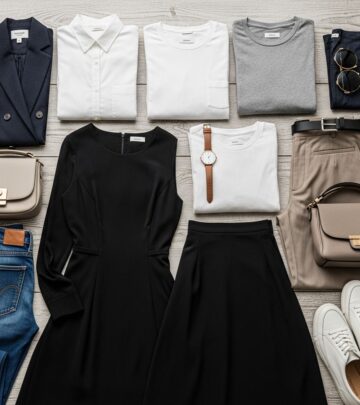
Aim for 20-40 pieces per season that all mix and match. Focus on neutrals (black, gray, navy, white) as bases, accented by 2-3 colors.
Essential Pieces Table
| Category | Examples (5-7 per category) | Why Versatile? |
|---|---|---|
| Bottoms | 2 jeans, 1 black pants, 1 skirt, 1 shorts | Pair with any top |
| Tops | 5 tees/tanks, 3 button-ups, 2 sweaters | Layer endlessly |
| Outerwear | 1 blazer, 1 cardigan, 1 trench | Work for all seasons |
| Dresses/Skirts | 2-3 wrap dresses, A-line skirts | Easy office-to-evening |
After auditing, fill gaps thoughtfully—e.g., four items like a blouse and scarf that expand options. Set a budget: $100-200 quarterly for quality over quantity.
Step 4: Shop Smart and Intentionally
Ditch impulse buys. Plan purchases against your vision board and wardrobe gaps. Prioritize timeless, durable fabrics (cotton, wool, linen) from ethical sources.
- Buy secondhand for premium brands cheaply.
- Invest in tailoring for perfect fit.
- Avoid “one more thing” syndrome—ensure it multiplies outfits.
- Track spending: One experimenter halved her budget from $230 to $125/quarter.
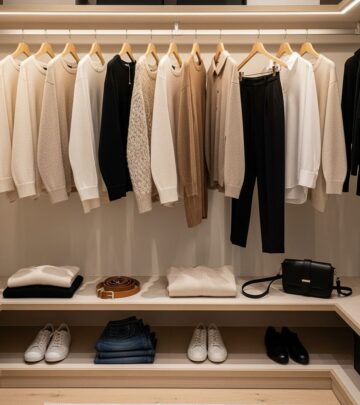
Organize by color or type for easy access, reducing perceived chaos.
Maintenance: Keep It Lean
Regularly reassess: Donate as tastes shift. Replace only worn-out favorites. Give unworn seasonal items a six-month deadline before purging.
Benefits compound: More outfits from fewer clothes, less laundry, confident style.
Frequently Asked Questions (FAQs)
Q: How many pieces should a capsule wardrobe have?
A: Typically 20-40 per season, focusing on mix-and-match versatility. Adjust for lifestyle.
Q: Does a capsule wardrobe limit my style?
A: No—creativity blooms with quality basics. It’s practical, not restrictive.
Q: Can it save money?
A: Yes, by curbing impulses and buying durable items. Savings up to 50% reported.
Q: What if my lifestyle changes?
A: Audit annually; store off-season items and purge mismatches.
Q: How do I start if overwhelmed?
A: Purge one category (e.g., tops) at a time over weeks.
References
- 23 Frugal Living Resolutions Anyone Can Master — Wise Bread. 2011-12-28. https://www.wisebread.com/23-frugal-living-resolutions-anyone-can-master
- Can a Capsule Wardrobe Actually Save You Money? — Wise Bread. N/A. https://www.wisebread.com/can-a-capsule-wardrobe-actually-save-you-money
- Guide to Better Style: The Curated Closet — Wise Bread. N/A. https://www.wisebread.com/guide-to-better-style-the-curated-closet
- Why Your Closet Never Feels Complete (YouTube Transcript) — YouTube. N/A. https://www.youtube.com/watch?v=7VUHC6OPEJQ
- How to Downsize and Declutter — Wise Bread. N/A. https://www.wisebread.com/how-to-downsize-and-declutter
Similar Articles








Read full bio of Sneha Tete