How To Budget By Paycheck: Step-By-Step Practical Guide
Learn how to plan every paycheck with confidence so your bills, savings, and lifestyle all stay on track.
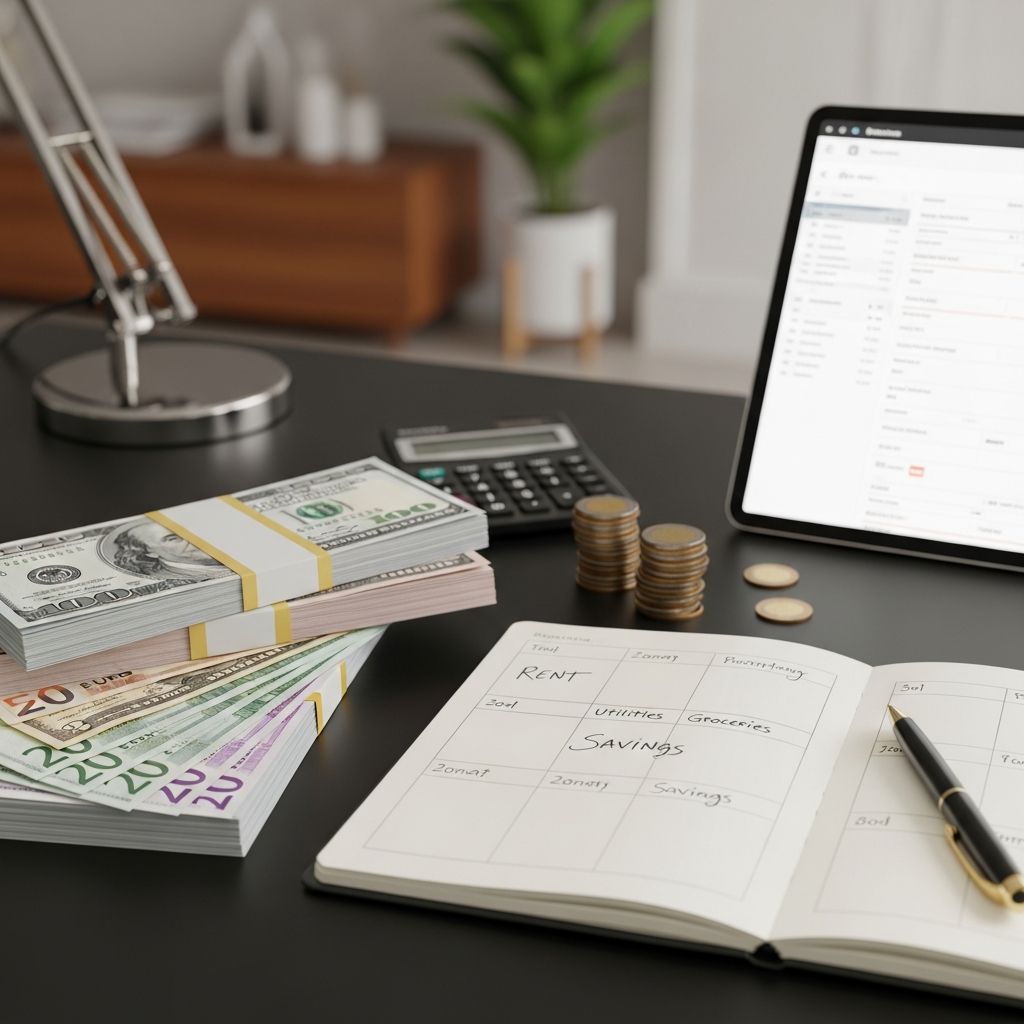
Budgeting by paycheck is a simple, practical way to make sure every bill is covered and every dollar has a job. Instead of planning once a month, you create a mini-plan every time you get paid, so your money always lines up with your real life cash flow.
What Is A Paycheck Budget?
A paycheck budget is a budgeting method where you plan how to use your money for each pay period instead of only for the entire month. You take every paycheck and decide, in advance, which bills, savings contributions, and spending categories it will fund.
In practice, this means you map out your pay dates, list your bills and expenses, and then assign each expense to a specific paycheck before you spend any money.
Example Of Budgeting By Paycheck
Imagine you are paid on the 1st and the 15th of every month:
- Paycheck on the 1st covers: rent or mortgage due on the 3rd, utilities due on the 7th, and part of your grocery budget.
- Paycheck on the 15th covers: cell phone bill due on the 20th, car payment due on the 22nd, subscriptions, and the rest of your groceries and gas.
With this approach, you are never guessing which paycheck will cover each bill. You see exactly what is paid when, and you adjust your spending to match your income schedule.
Benefits Of A Paycheck Budget
When used consistently, budgeting by paycheck can make your finances more predictable and less stressful.
- Better cash flow control: You avoid spending money that is allocated to future bills because you already know which paycheck must cover them.
- Reduced overdrafts and late fees: Planning around due dates and pay dates limits the chance of missing payments or overdrawing your account.
- Improved savings consistency: When you add savings to every paycheck, you build the habit of paying yourself first, which is strongly associated with larger long-term savings balances.
- More realistic spending limits: You see how much is truly available between paychecks for groceries, gas, and fun, instead of assuming a smooth monthly average.
- Flexibility for irregular income: People with variable pay can still plan each paycheck as it comes in, adjusting amounts as needed.
Who Is This Method Right For?
A paycheck budget can work for many different types of income schedules, but it is especially helpful for people who are paid more than once per month.
People Paid Biweekly Or Weekly
When you are paid biweekly or weekly, your money arrives in smaller chunks throughout the month. Without a plan, it is easy to spend early and then feel squeezed when bills come due. The paycheck budget helps by:
- Matching each bill with a specific paycheck.
- Preventing you from relying on future income that is not in your account yet.
- Smoothing out months where due dates cluster together.
People With Variable Or Irregular Income
If you live on commissions, tips, freelance income, or gig work, your paycheck amounts may change from month to month. Many financial educators recommend planning around your lowest reliable income and then assigning each real paycheck as it comes in.
With this method, you can:
- Base essential bills on a realistic minimum income level.
- Use additional income to boost savings, debt payments, or irregular expenses.
- Update your plan each time you get paid, instead of making one rigid monthly budget.
People Paid Monthly
Monthly pay can make budgeting simpler because your whole month’s income arrives at once. However, some monthly earners still prefer the paycheck method because it forces them to:
- Break the month into smaller planning periods (for example weekly spending limits).
- Allocate money to categories in stages instead of all at once.
- Stay more engaged with their finances throughout the month.
How To Get Started With Budgeting By Paycheck
You can set up a paycheck budget using paper, a spreadsheet, or a digital tool. The key is to follow a clear step-by-step process.
1. Choose Your Budgeting Tool
Before you begin, decide how you want to track your budget:
- Paper and pen: A notebook or printed worksheet works well if you like writing things down by hand.
- Spreadsheet: A simple spreadsheet lets you add formulas, totals, and color coding.
- Digital app or online template: Many budgeting tools allow you to link accounts, track bills, and assign categories.
Research indicates that people who use a formal budgeting tool and review it regularly are more likely to stay within their planned spending and save effectively.
2. Add Your Paychecks And Bills To A Calendar
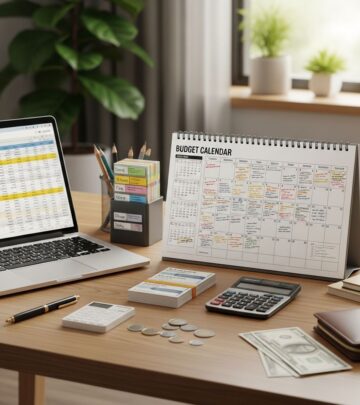
Next, create a calendar view for at least one full month. You can use a digital calendar, a printed calendar, or a spreadsheet that looks like a calendar.
- Mark every pay date and write down the expected amount for each paycheck.
- Add all fixed bills on their due dates, such as rent or mortgage, utilities, insurance, debt payments, and subscriptions.
- Include any known irregular bills that occur occasionally, like annual fees or semiannual insurance premiums.
3. Tally Up Your Variable Expenses
Variable expenses are the costs that change from month to month, such as:
- Groceries
- Dining out
- Gas or transportation
- Personal spending and entertainment
- Household and miscellaneous purchases
Look at your last two to three months of bank and card statements to estimate average spending in each category. Many financial planners recommend this type of review to build realistic budgets rather than guessing.
You can also break these into smaller time periods. For example:
- Groceries once per week.
- Gas every 10 days.
- Fun money each paycheck.
4. Make A Cash Flow Plan For The Month
Now that you can see your paychecks, bills, and spending, map the flow of money through the month:
- Note which half of the month (or which weeks) have more bills due.
- Identify any periods when a lot of payments cluster together.
- Decide where each paycheck must pull extra weight or where you can afford more flexibility.
5. Assign Each Expense To A Particular Paycheck
At this stage, you match every bill and spending category to a paycheck.
- Use color coding (for example, highlighters) to mark which expenses will be paid from which paycheck.
- You do not always pay a bill from the paycheck closest to its due date. You may use part of an earlier paycheck to build up the needed amount, especially for large bills early in the month.
- Ensure that the total assigned expenses for each paycheck do not exceed the paycheck amount.
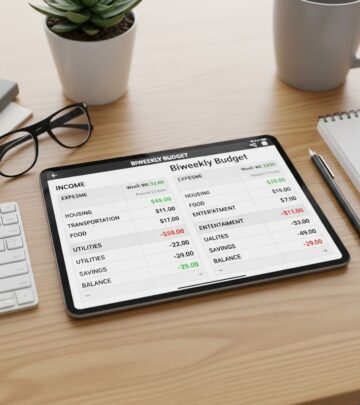
| Paycheck | Pay Date | Amount | Assigned Expenses |
|---|---|---|---|
| Paycheck 1 | 1st | $2,000 | Rent $1,000, Utilities $150, Groceries $200, Savings $300, Gas $100, Misc $250 |
| Paycheck 2 | 15th | $2,000 | Car payment $300, Phone $80, Internet $70, Groceries $200, Savings $300, Gas $100, Fun $250, Misc $700 |
Once each paycheck has its assigned expenses, you have a clear spending plan for the entire month.
Expert Tip: Use Cash Envelopes With Your Paycheck Budget
The cash envelope system is a classic budgeting method where you put physical cash into separate envelopes labeled by category. When the envelope is empty, spending stops in that category.
This can be especially effective when combined with budgeting by paycheck:
- At each paycheck, withdraw the planned amount for categories like groceries, dining out, or personal spending.
- Place the money into labeled envelopes.
- Use only the cash in each envelope for that category until the next paycheck.
Behavioral research has found that paying with cash often reduces impulse spending compared to using cards, because you physically see the money leaving your hands.
For larger fixed expenses such as rent, car payments, or student loans, it is usually easier and safer to pay electronically. You can track these in your paycheck budget while reserving cash envelopes for day-to-day categories.
How To Handle Unexpected Expenses
No budget can predict everything. The key is not to avoid surprises completely, but to build resilience into your paycheck plan.
Build An Emergency Fund
An emergency fund is cash set aside for unplanned but necessary expenses such as medical bills, urgent car repairs, or temporary loss of income. Many experts suggest saving at least 3–6 months of essential expenses as a long-term goal, starting with a smaller target like $500–$1,000.
In a paycheck budget, you can:
- Assign a fixed amount from each paycheck to a separate emergency savings account.
- Treat this contribution as a non-negotiable bill to yourself.
Use Sinking Funds For Irregular Costs
Sinking funds are mini savings buckets for predictable but non-monthly expenses, such as:
- Car maintenance and repairs
- Annual insurance premiums
- Back-to-school costs
- Holidays and gifts
- Travel
You can assign a small amount from each paycheck to these categories, so the money is ready when the expense arrives instead of becoming a crisis.
Adjust Your Plan When Surprises Happen
When an unexpected expense appears:
- First look to your emergency fund or relevant sinking fund.
- If you must use current paycheck money, reduce or delay lower-priority spending such as dining out or entertainment for that period.
- Update your calendar and envelope amounts so your plan matches reality.
Best Tools For Setting Up A Paycheck Budget
You can successfully budget by paycheck with simple tools. The best choice is the one you will use consistently.
- Notebook or planner: Ideal if you like writing and visualizing your month on paper. Add a monthly calendar, paycheck lists, and envelope notes.
- Spreadsheets: Free tools like common spreadsheet software let you create templates for income, bills, categories, and calendar-style views.
- Budgeting apps: Many apps allow you to assign transactions to pay periods, create virtual envelopes, and set alerts for upcoming bills.
- Bank alerts: Most banks allow you to set text or email alerts for low balances or upcoming payments, which complement your paycheck plan.
How Much Of Your Paycheck Should You Budget?
For a paycheck budget to be effective, you should give every dollar a job. In other words, you budget your entire paycheck.
That does not mean you spend everything; it means you deliberately assign each dollar to one of these broad categories:
- Needs: Housing, utilities, basic food, transportation, insurance, minimum debt payments.
- Wants: Nonessential upgrades and lifestyle choices such as dining out, entertainment, or subscriptions.
- Savings and debt payoff: Emergency fund, retirement contributions, extra payments toward high-interest debt, and other goals.
Zero-based budgeting, where income minus expenses equals zero because every dollar is assigned, is widely used in personal finance planning. The paycheck method is essentially a zero-based budget broken down by pay period.
What Is The 50-30-20 Budget Biweekly?
The 50-30-20 rule is a popular guideline for after-tax income:
- 50% for needs
- 30% for wants
- 20% for savings and debt repayment
To apply this rule biweekly (or per paycheck), you simply apply the same percentages to each paycheck instead of to the full month.
| Category | Percentage Of Take-Home Pay | Example On $2,000 Paycheck |
|---|---|---|
| Needs | 50% | $1,000 |
| Wants | 30% | $600 |
| Savings & Debt | 20% | $400 |
The 50-30-20 framework is often used as a starting point rather than a strict rule. Depending on your situation, you may need a higher percentage for needs (for example, in high-cost-of-living areas) or for debt repayment.
Using this structure with paycheck budgeting can help you quickly check whether your spending mix is balanced and whether you are progressing toward savings goals.
Frequently Asked Questions (FAQs)
Q: Can I use the paycheck budget if my income changes each month?
A: Yes. Start by calculating your lowest typical monthly income from recent months. Build your essential bills and minimum savings around that amount, and then assign each paycheck as it arrives. Extra income can go toward savings, debt, or future sinking funds.
Q: How many paychecks should I plan for at once?
A: Most people find it helpful to plan at least one month ahead. If you are paid biweekly, that usually means planning two paychecks at a time. As you get comfortable, you can extend your plan further to prepare for large upcoming expenses.
Q: What if my bills are due before my first paycheck of the month?
A: You may need to use part of your last paycheck from the previous month to cover early-month bills. In your calendar, assign a portion of that earlier paycheck to next month’s rent or mortgage so the money is ready when the bill arrives.
Q: Do I have to use cash envelopes, or can I budget only with cards?
A: Cash envelopes are optional. They are useful if you struggle with overspending in variable categories like groceries or dining out, because research shows that paying with cash can reduce impulsive purchases. If you prefer cards, you can track your spending digitally while still following the paycheck budget structure.
Q: How often should I review my paycheck budget?
A: Review it at least once per week. Weekly check-ins allow you to compare planned versus actual spending, adjust for any surprises, and prepare for upcoming paychecks and bills.
References
- How To Budget By Paycheck: 5 Key Tips For Success — Clever Girl Finance. 2024-05-01. https://www.clevergirlfinance.com/budget-by-paycheck/
- My Realistic Monthly Budgeting Routine (Step-by-Step Breakdown) — Clever Girl Finance (YouTube). 2023-07-18. https://www.youtube.com/watch?v=F3htr856uAI
- Consumer Financial Capability Survey — FINRA Investor Education Foundation. 2022-11-10. https://www.finrafoundation.org/financial-capability-study
- Payments Are Increasingly Cashless, But Cash Is Still Important to Many Consumers — Federal Reserve Bank of San Francisco. 2023-06-21. https://www.frbsf.org/research-and-insights/blogs/consumer-finance/2023/june/cashless-payments-still-important-to-many-consumers/
- Emergency Savings: What to Do With a Financial Cushion — Consumer Financial Protection Bureau (CFPB). 2023-03-02. https://www.consumerfinance.gov/about-us/blog/emergency-savings-what-to-do-with-a-financial-cushion/
- Managing Your Checking Account — Federal Deposit Insurance Corporation (FDIC). 2022-09-15. https://fdic.gov/resources/consumers/money-smart/
Similar Articles








Read full bio of Sneha Tete