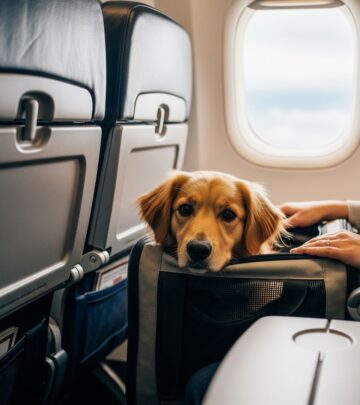
How To Bring Your Pet Onboard A Flight: Expert Checklist
Master the essentials of flying with your pet: from airline policies and carrier choices to airport navigation and stress reduction for a smooth journey.
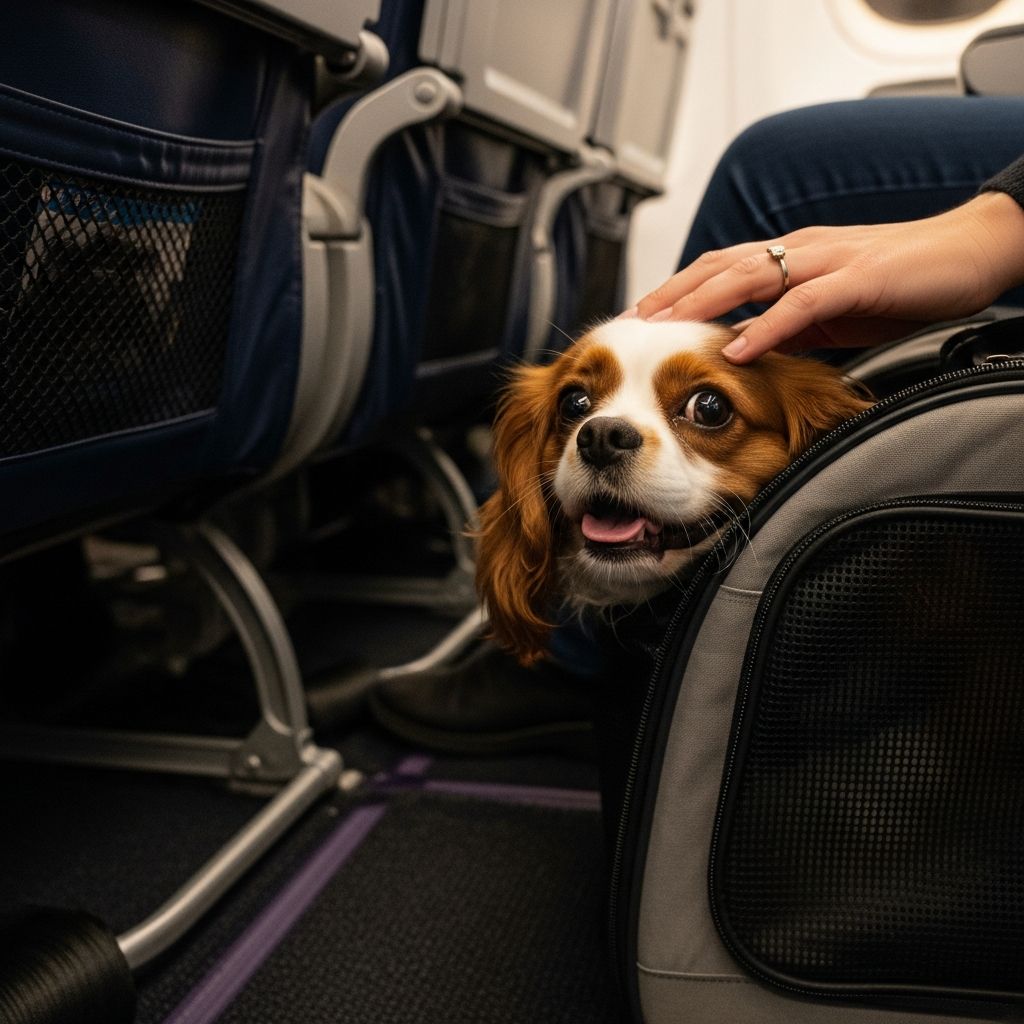
Flying with your pet can be a rewarding experience if planned carefully, allowing you to keep your furry companion by your side instead of leaving them behind. This guide covers every step from selecting pet-friendly airlines to ensuring your pet’s comfort during the journey, drawing on airline regulations and best practices for safe travel.
Contact the Airline Well in Advance
The foundation of successful pet air travel begins with early communication. Airlines limit the number of pets allowed in the cabin, often to just a few per flight, so reservations must be made promptly—ideally weeks or months ahead. Call the airline directly to confirm their pet policy, as rules vary widely: some carriers like Delta and United permit small pets under 20 pounds in the cabin, while others restrict or ban them entirely.
Discuss specifics such as breed restrictions—brachycephalic or “snub-nosed” breeds like pugs, Persian cats, and Pekingese face higher risks of breathing issues at altitude and may be prohibited. Inquire about fees, typically ranging from $100 to $200 one-way for cabin travel, and verify if layovers or connections affect pet allowances. Booking directly with the airline ensures your pet’s spot is secured, reducing last-minute stress.
- Call at least 48 hours before departure, but earlier for peak seasons.
- Ask about cargo options for larger pets, noting that some airlines like Delta no longer offer cargo transport due to safety concerns.
- Confirm international requirements if applicable, such as health certificates or USDA endorsements.
Choose the Right Carrier
Your pet’s carrier is their home away from home during the flight and must meet strict airline and TSA standards. It should be soft-sided, ventilated on at least three sides, and sized to fit under the seat in front of you—typically no larger than 18x11x11 inches for most airlines. The carrier must allow your pet to stand, turn around, and lie down comfortably without touching the sides.
TSA-approved carriers ensure smooth security screening: pets walk through metal detectors separately while empty carriers go through X-ray machines. Label the carrier with your pet’s name, your contact info, and destination details. For cargo-bound pets, use sturdy, escape-proof crates with secure doors and absorbent bedding.
| Airline | Max Dimensions (L x W x H) | Max Weight (Pet + Carrier) |
|---|---|---|
| Delta | 18″ x 11″ x 11″ | 20 lbs |
| United | 18″ x 11″ x 11″ | 20 lbs |
| American | 19″ x 13″ x 9″ | 20 lbs |
| Southwest | Varies by aircraft | 20 lbs |
Acclimate your pet to the carrier weeks before travel by using it for short trips or as a daily bed, associating it with treats and playtime to reduce anxiety.
Visit the Vet for a Check-Up
A veterinary visit is mandatory for most flights, especially international ones requiring a health certificate issued within 10 days of travel. The exam confirms your pet is fit to fly, checking for parasites, vaccinations (rabies is key), and any underlying conditions. Microchipping is often required for identification.
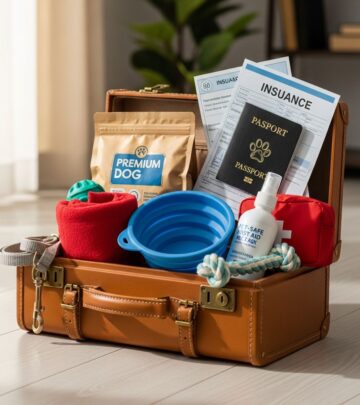
Discuss travel risks: avoid sedatives unless vet-recommended, as they can impair breathing at high altitudes. For snub-nosed breeds, vets may advise against flying altogether due to heatstroke and oxygen deprivation risks. Obtain a Certificate of Veterinary Inspection (CVI) and ensure all paperwork travels with you in a pet passport folder.
- Update rabies vaccination at least 30 days prior if needed.
- Pack medications with proof of prescription.
- Consider pet insurance for travel-related incidents.
Prepare Your Pet for the Flight
Minimize stress by withholding food 4-6 hours before the flight to prevent nausea, but provide water up to the gate. Exercise your pet vigorously the day before and morning of to tire them out for easier crating. Familiar scents help: include a worn T-shirt or blanket from home in the carrier.
For longer flights, freeze water in shallow bowls to prevent spills as it melts slowly. Pack treats, toys, and a favorite chew for cabin pets. Practice short crate sessions mimicking airport noises to desensitize them.
Navigating Airport Security with Your Pet
Arrive 2-3 hours early to account for pet procedures. At TSA checkpoints, remove your pet from the carrier, carry or leash them through the metal detector, and send the empty carrier through X-ray. Service animals may have different protocols—contact TSA in advance.
Airports often have pet relief areas; locate them via airport maps or apps. Walk your pet before check-in and after security. Stay calm, as pets pick up on anxiety—deep breaths help both of you.
- Check in curbside if possible to avoid long lines.
- Request a pet-friendly seat away from bulkheads or emergency exits.
- Board early or last to minimize time crated at the gate.
During the Flight: Keeping Your Pet Comfortable
In the cabin, the carrier goes under the seat; pets must remain inside except for brief potty breaks if allowed (ask flight attendants). Slip treats through vents to reward quiet behavior. Monitor for distress signs like panting or whining, and request assistance if needed.
For cargo pets, ensure the hold is climate-controlled (most are), and provide frozen Kongs or puzzle toys. Delays pose risks—notify crew immediately if your pet is in cargo for prompt unloading. Direct flights reduce layover stress and missed connections.
Avoid peak summer heat; many airlines suspend pet travel above 85°F ground temps.
Dealing with Delays and Missed Connections
Delays can overheat cargo holds or separate you from your pet. Prepare by attaching photos, ID copies, and contact info to the carrier. For connections, confirm crate transfer and remind gate agents. Carry a spare collar with tags and a GPS tracker if possible.
If lost, file claims immediately with clear photos and microchip details. Most incidents are resolved quickly with preparation.
International Pet Travel Considerations
Flying abroad adds layers: research destination country’s import rules via USDA APHIS or embassies. EU countries require rabies titers and EU pet passports; Australia mandates quarantine. Transit countries may have rules too—check layovers.
Fees double for round-trips, and some nations ban certain breeds. Plan 3-6 months ahead for blood tests and certifications.
Post-Flight Care and Recovery
Upon landing, find a relief area immediately. Offer small meals and monitor for dehydration or lethargy—vet check-ups post-travel are wise. Gradually return to routine to ease jet lag.
Frequently Asked Questions (FAQs)
Q: What size pet can fly in the cabin?
A: Typically pets under 20 lbs including carrier; exact limits vary by airline. Larger pets go to cargo where allowed.
Q: Do I need a health certificate?
A: Yes, within 10 days for most flights, plus rabies proof. International travel requires more.
Q: Can I sedate my pet for the flight?
A: Avoid unless vet-prescribed; altitude affects sedatives adversely.
Q: What about snub-nosed breeds?
A: High-risk; many airlines ban them from cargo and advise against cabin travel.
Q: How much does it cost?
A: $100-$200 one-way for cabin; cargo higher. Call for quotes.
References
- How To Travel With Your Pet Internationally — WorldTrips. 2023-05-15. https://www.worldtrips.com/resources/how-to-travel-internationally-with-your-pet
- Tips for Traveling Safely With Your Pet — SafeWise. 2024-08-22. https://www.safewise.com/blog/tips-traveling-safely-pet/
- How to Bring Your Pet Onboard a Flight — Wise Bread. 2015-07-10. https://www.wisebread.com/how-to-bring-your-pet-onboard-a-flight
Similar Articles








Read full bio of medha deb