How to Break a Lease on a Rental: Complete Guide
Learn the legal ways to break a rental lease, understand your rights, and avoid penalties.

How to Break a Lease on a Rental: A Comprehensive Guide
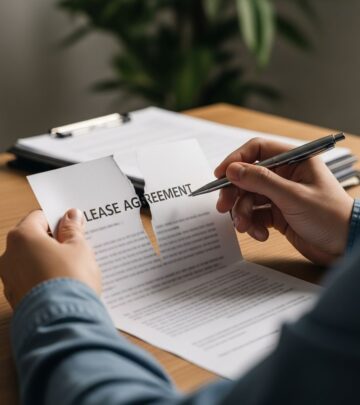
Breaking a rental lease is one of the most challenging situations a tenant may face. Whether due to unexpected life changes, job relocations, or unsafe living conditions, there are times when continuing to rent becomes impossible. However, simply moving out without following proper procedures can result in significant financial penalties, damaged credit, and legal consequences. Understanding your rights as a tenant and the legitimate ways to break a lease is essential to protecting yourself and ensuring a smooth transition.
Understanding Lease Termination in North Carolina
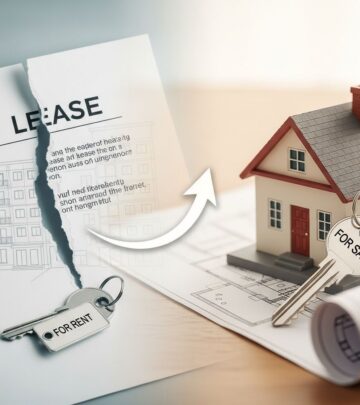
Breaking a lease in North Carolina refers to the termination of a rental agreement before the agreed-upon end date. North Carolina’s landlord-tenant laws establish specific conditions under which tenants can legally break leases without incurring penalties. The state recognizes certain circumstances as legitimate justifications for early lease termination, while others do not provide legal protection. Before taking any action, it’s crucial to review your lease agreement thoroughly and understand both state law and your specific lease terms.
The consequences of breaking a lease without legal justification can be severe. Tenants may face negative impacts on their credit report, damage to their rental history, breach of contract lawsuits, and financial liability for the remaining lease term. However, landlords in North Carolina have a legal obligation to mitigate damages by attempting to re-rent the property promptly. This means your landlord cannot simply wait until the lease ends and then sue you for the total rent owed; they must actively work to find new tenants and deduct those rental payments from what you owe.
Legal Justifications for Breaking a Lease
North Carolina law provides specific protections allowing tenants to break leases without penalty under certain circumstances. Understanding these legal justifications is critical before pursuing lease termination.
Active Duty Military Service
One of the strongest legal protections for breaking a lease involves active military duty. The Servicemembers Civil Relief Act (SCRA) provides federal protections for military members called to active duty. Tenants who are called to active duty for at least 90 days and must relocate at least 50 miles away can break their lease without owing the remaining rent balance.
To break your lease under military provisions, you must provide three critical pieces of documentation:
- Proof that you signed the lease before entering active military duty
- Evidence that you intend to remain on active duty for at least three months
- Written notice of your intention to move out, accompanied by a copy of your deployment letter
After delivering this notice, the lease terminates 30 days after the start of the next rent period. You will not owe any rent after your last date of tenancy. North Carolina law also provides similar protections for immediate family members of deceased servicemembers under specific conditions.
Constructive Eviction and Uninhabitable Conditions
If your landlord fails to maintain the rental property in habitable condition, you may have grounds to break your lease through constructive eviction. This legal concept applies when a landlord violates lease terms or fails to perform essential maintenance related to health and safety. Examples of constructive eviction scenarios include a landlord’s failure to repair a broken security gate, faulty electrical outlets, or failure to install, inspect, or fix a smoke alarm.
When a landlord repeatedly violates lease conditions or fails to provide required accommodations, tenants may be relieved of their lease duties without penalty. This protection extends to situations where essential services are compromised or when the rental unit lacks accommodations required for individuals with qualified disabilities.
Landlord Violations and Illegal Contracts
If your landlord repeatedly violates the lease agreement terms or fails to follow mandatory disclosure laws, you may have legal grounds to break your lease. Additionally, if the lease agreement itself is illegal or unenforceable, this can justify early termination. These arguments may require court approval before the lease is officially terminated.
Reasons That Do NOT Justify Breaking a Lease
North Carolina law is clear about which circumstances do not provide legal protection for lease breaking. Attempting to break your lease for these reasons could result in significant financial penalties unless you negotiate a mutual agreement with your landlord:
- Breaking the lease to move into a new home
- Relocating to move in with a boyfriend or girlfriend
- Terminating the lease to upgrade or downgrade your living situation
- Breaking the lease to move closer to family members
- Job relocation or school transfers (without legal justification)
- Medical reasons for a family member
Without legal justification or landlord agreement, tenants have no legal protection against penalties for breaking leases under these circumstances.
Steps to Break Your Lease Legally
Review Your Lease Agreement
Your first step should be thoroughly reviewing your lease agreement. Many leases include an “early termination clause” that allows tenants to break their lease in exchange for a penalty fee. These clauses provide a structured, legal pathway for lease breaking without extensive negotiation. If your lease includes this clause, follow the specific terms outlined, which typically include providing 30 days’ notice and paying a penalty equivalent to one to two months’ rent.
Speak With Your Landlord
If your lease doesn’t include an early termination clause, initiate a conversation with your landlord as soon as possible. This initial discussion doesn’t need to be your formal notice; instead, explore your options and explain your situation. Starting early gives your landlord time to find a replacement tenant proactively.
If you have a strong rental history with on-time payments and responsible tenancy, the negotiation process should go more smoothly. However, consult an attorney if you have questions or concerns about the legal implications.
Provide Written Notice
Always provide written notice to your landlord of your intent to terminate your tenancy. The standard notice period is 30 to 60 days in advance of your move-out date. Your written notice should include:
- Your intended move-out date
- Your reasons for breaking the lease
- Reference to any legal justifications if applicable
- Documentation supporting your claim (deployment letters, medical records, repair requests, etc.)
Written documentation is essential for protecting yourself should legal issues arise or if your landlord attempts to change agreed-upon terms.
Negotiate Mutual Termination
Even if your lease includes an early termination clause, you may negotiate with your landlord for a mutual termination agreement with better terms. This typically involves drafting a document that outlines the specific conditions of termination, including whether you’ll pay a reduced penalty or no penalty at all.
Mutual termination agreements are considered the “healthiest” method to break a rental agreement without misunderstandings. Both parties sign the agreement, creating legal documentation that protects everyone involved.
Special Considerations for Manufactured Homes
If you’re moving out of a manufactured home space, specific notice requirements apply. North Carolina law requires 60 days’ notice regardless of whether you’re in a month-to-month or fixed-term lease. This extended notice period gives landlords and property managers additional time to find replacement tenants.
Understanding Your Financial Obligations
When breaking a lease without legal justification in North Carolina, you typically remain financially responsible for rent through the lease end date. However, your landlord has a legal obligation to minimize damages by actively seeking new tenants. The rent collected from replacement tenants is deducted from the amount you owe.
Common financial arrangements when breaking a lease include:
- Paying a penalty fee equivalent to one to two months’ rent through an early termination clause
- Paying rent for the notice period plus additional months until the landlord finds a replacement tenant
- Negotiating a reduced settlement amount with your landlord
- Paying nothing if you have legal justification under state law
Understanding these financial implications before breaking your lease helps you make informed decisions and budget accordingly.
Protecting Your Rights and Future Rental History
North Carolina tenants have specific rights during and after lease termination. Landlords must return your security deposit within 30 days of tenancy, assuming no deductions for damage or unpaid rent. Request written documentation of any deductions made from your deposit and keep records of your move-out condition.
To protect your future rental history and credit score, ensure all agreements are documented in writing and that you follow agreed-upon procedures exactly. If disputes arise, having written evidence of your compliance with notice requirements and lease terms provides essential legal protection.
When to Seek Legal Assistance
While many lease situations can be resolved through direct landlord communication, consulting an attorney is advisable in several situations:
- When claiming constructive eviction or uninhabitable conditions
- If your landlord refuses to acknowledge legal justifications for lease breaking
- When negotiating significant financial settlements
- If you’re facing eviction proceedings
- When your lease contains complex or unclear terms
An attorney can clarify your rights under North Carolina law and help you navigate complex lease situations.
Frequently Asked Questions
Q: Can I break my lease in North Carolina if I need to move for a job?
A: Without legal justification or an early termination clause, moving for a job is not a legally protected reason to break your lease in North Carolina. You would need to negotiate with your landlord or pay any applicable penalties. However, if you’re being transferred as military personnel, SCRA protections may apply.
Q: What happens if I break my lease without permission?
A: Breaking your lease without legal justification or landlord agreement can result in negative credit impacts, damage to your rental history, breach of contract lawsuits, and financial liability for remaining rent (minus rent collected from replacement tenants).
Q: How much notice must I provide to break my lease?
A: Standard notice is 30 to 60 days before your move-out date. For manufactured home spaces, 60 days’ notice is required. Military personnel calling on active duty must provide 30 days’ notice after deployment notification.
Q: Can my landlord force me to stay if I have legal justification for breaking the lease?
A: No. If you have legal justification (military duty, constructive eviction, landlord violations) and follow proper notice procedures, your landlord cannot force you to remain. Your lease terminates according to the notice period required by law.
Q: What is an early termination clause, and how does it work?
A: An early termination clause is a lease provision that allows tenants to break their lease by paying a specified penalty fee (typically one to two months’ rent) and providing required notice (usually 30 days). This provides a structured legal pathway for lease breaking without extensive negotiation.
Q: Can I negotiate a mutual termination agreement with my landlord?
A: Yes. Mutual termination agreements allow both parties to end the lease on agreed terms, potentially with reduced penalties or different conditions than the original lease specified. This negotiated approach often works well for tenants with good rental histories.
References
- How to Break a Lease in NC — TE Johnson & Sons Rentals. Accessed November 2025. https://www.tejrentals.com/nc-lease-laws
- Breaking a Lease in North Carolina—Know Your Rights — Property Management Durham NC. Accessed November 2025. https://www.propertymanagementdurhamnc.com/north-carolina-breaking-lease
- Breaking a Lease in North Carolina: Landlord/Tenant Guide 2024 — TurboTenant. Accessed November 2025. https://www.turbotenant.com/rental-lease-agreement/north-carolina/laws/breaking-a-lease/
- Tenant’s Right to Break a Rental Lease in North Carolina — Nolo. 2025. https://www.nolo.com/legal-encyclopedia/tenants-right-break-rental-lease-north-carolina.html
- How to Break Your Apartment Lease Without Penalty — Extra Space Storage. Accessed November 2025. https://www.extraspace.com/blog/moving/how-to-break-your-lease-the-smart-way/
- Can I Break a Lease Early? — Experian. Accessed November 2025. https://www.experian.com/blogs/ask-experian/break-lease-early/
- Breaking a Lease in North Carolina — PayRent. Accessed November 2025. https://www.payrent.com/articles/breaking-a-lease-in-north-carolina/
- Breaking a Lease in North Carolina – A Comprehensive Guide — DoorLoop. Accessed November 2025. https://www.doorloop.com/laws/breaking-a-lease-in-north-carolina
Similar Articles








Read full bio of Sneha Tete