How to Bounce Back From Your Holiday Splurge
Recover from holiday overspending with practical steps to regain financial control and avoid future debt traps.

The holiday season often brings joy, family gatherings, and generous gift-giving, but it can also lead to significant overspending. Credit card balances climb, budgets shatter, and January arrives with financial regret. According to consumer data, many households overspend by 20-30% during holidays, exacerbating debt cycles. This guide provides actionable steps to recover quickly, rebuild your finances, and prepare for a debt-free future. Covering budgeting, expense tracking, debt reduction, and preventive measures, these strategies help you bounce back stronger.
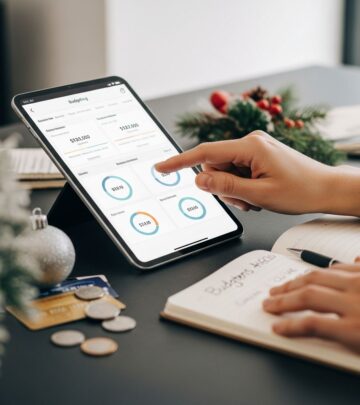
Create a New Budget
A new year is the perfect time to establish or refresh your household budget. Start by assessing your current financial situation: tally income, fixed expenses like rent and utilities, and variable costs. Tools like spreadsheets or apps such as Mint or YNAB (You Need A Budget) simplify this process. Aim to allocate 50% of income to needs, 30% to wants, and 20% to savings and debt repayment—the 50/30/20 rule recommended by financial experts.
Post-holiday, prioritize high-interest debt. For example, if credit card balances rose 5.8% less in spending but remain elevated, direct extra funds there first. Review last month’s statements to identify holiday excesses, like dining out or gifts, and cap those categories. Involve family members to ensure buy-in; a shared budget fosters accountability.
- Track monthly income: Salary, side gigs, freelance.
- List essentials: Housing (30%), food (15%), transportation (10%).
- Cap discretionary spending: Entertainment at 10%, gifts at 5%.
- Build buffers: Emergency fund goal: 3-6 months’ expenses.
Adjust as needed quarterly. Recent data shows consumers pull back spending in Q1, using tax refunds for debt. Automate transfers to savings on payday to enforce discipline.
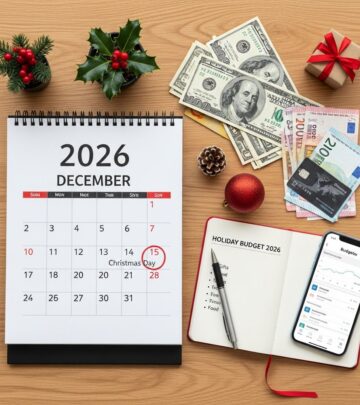
Start a Spending Book
Even with digital trackers, a physical spending book offers tangible awareness. Carry a small notebook or use a phone app to log every purchase in real-time: coffee ($4.50), impulse snack ($2). At day’s end, categorize and total. This habit reveals leaks, like daily $5 lattes adding $150 monthly.
Why it works: Writing reinforces mindfulness, curbing emotional spending common post-holidays. Studies from behavioral finance indicate tracking reduces discretionary outlays by 20-30%. Review weekly: if dining exceeds budget, cook more. Share with a partner for mutual oversight.
| Date | Item | Category | Amount | Notes |
|---|---|---|---|---|
| Jan 5 | Grocery | Food | $45 | Planned meal prep |
| Jan 6 | Coffee | Discretionary | $5 | Impulse—brew at home next |
| Jan 7 | Gas | Transport | $30 | On budget |
Use this data to refine your budget. Over time, patterns emerge, enabling smarter cuts without deprivation.
Pay More Than the Minimum on Credit Cards
Minimum payments prolong debt at 20-25% APRs, costing thousands extra. If balances hit $5,000 post-holidays, minimums cover interest only. Pay double or triple: apply windfalls like gift cards or returns directly.
Strategy: List debts by interest rate (avalanche method) or balance size (snowball). Target one aggressively while maintaining others. Balance transfer to 0% APR cards (if credit score 670+) buys 12-21 months interest-free. Nonprofit counselors like Money Management International offer debt management plans at reduced rates.
- Extra payment calculator: $1,000 at 18% APR: Minimum takes 30 years ($2,300 interest); $100 extra monthly: 2.5 years ($300 interest).
- Windfall uses: Tax refunds, bonuses—straight to principal.
- Alerts: Set app notifications for due dates.
Aim for zero balances by summer. Track progress visually for motivation.
Put Away 10% of Every Paycheck
Regardless of debt, save 10% first—pay yourself. Direct deposit splits: 10% to high-yield savings (current rates ~4-5%). Post-splurge, this rebuilds security. Use delayed spending accounts for irregular costs like holidays.
Benefits: Compounds over time; covers surprises without new debt. If income $4,000/month, $400 saved monthly yields $4,800/year plus interest. Adjust budget to fit: cut subscriptions, negotiate bills.
Pro tip: Ladder accounts—one emergency, one holidays, one goals. Review annually, increasing to 15% as debt falls.
Hold Off on Any Unnecessary Purchases
Implement a 30-day rule: Want it? Wait. Postpone lists non-essentials; revisit later. 70% of impulses fade. Audit closet/garage: Sell unused gifts on eBay or Facebook Marketplace for quick cash.
Alternatives: Free entertainment—libraries, parks. Bulk-buy staples. This freeze accelerates debt payoff, builds discipline.
Return What You Don’t Want or Need
Check receipts—most retailers extend holiday returns to Jan 31. Return duplicates, regrets; apply credits to debt. Gift cards? Redeem for necessities, sell at 80-90% value online.
- Amazon: 30 days.
- Target/Walmart: Often 90 days post-holidays.
- Macy’s: Jan 5-Feb.
Average return: $100-200 reclaimed, direct impact on recovery.
Use Those Gift Cards
Don’t hoard—use strategically. Groceries over dining; gas over gadgets. Leftover? Sell on CardCash (80-92% value). Combine with sales for max value.
Reevaluate Your Float
Buffer cash in checking covers surprises. Post-overspend, rebuild to $1,000-2,000. Adjust inflows to match outflows. Recalibrate after unexpected events like hosting.
Work With a Financial Planner
CFP pros tailor plans, optimize budgets, negotiate debts. Free initial consults common. Long-term: Investments, retirement. Nonprofits for credit counseling.
Frequently Asked Questions (FAQs)
Q: How long to recover from holiday debt?
A: 3-6 months with aggressive payments; depends on balance, income. Use calculators from FTC.gov.
Q: Best app for budgeting?
A: YNAB for zero-based, Mint for tracking. Free options: Excel templates.
Q: What if I can’t pay minimums?
A: Contact issuers for hardship plans; seek NFCC.org counselors. Avoid payday loans.
Q: Prevent next holiday splurge?
A: Start November 1 budget; draw from dedicated fund. Set per-person limits.
Q: Tax refund for debt?
A: Yes—average $3,000 pays significant balances. Direct deposit speeds it.
Prevent Future Splurges
Learn triggers: Emotions drive 40% overspending. Pre-plan gifts; use cash envelopes. Black Friday? Skip or budget strictly. Track year-round for ‘evergreen’ budgeting.
Build habits: Weekly reviews, no-spend challenges. Celebrate milestones debt-free, like dinners out post-payoff.
Economy context: 2026 Q1 pullback expected amid affordability stress. Proactive steps position you ahead.
References
- 7 Fastest Ways to Recover From Holiday Overspending — Wise Bread. 2024. https://www.wisebread.com/7-fastest-ways-to-recover-from-holiday-overspending
- Holiday hangover? Consumers might pull back more than normal after seasonal splurge — Fox Baltimore (TNND). 2026-01. https://foxbaltimore.com/news/nation-world/holiday-hangover-consumers-might-pull-back-more-than-normal-after-seasonal-splurge
- How to Recover From Christmas Overspending and Avoid It Next Year — Wise Money Show (YouTube Transcript). 2024-12-26. https://www.youtube.com/watch?v=Jf5bV_ndiV4
- Consumer Financial Protection Bureau: Managing Credit Card Debt — CFPB.gov. 2025-03-15. https://www.consumerfinance.gov/consumer-tools/credit-cards/
- Federal Reserve: Household Debt and Credit Report — New York Fed. 2025-12. https://www.newyorkfed.org/microeconomics/hhdc.html
Similar Articles








Read full bio of medha deb