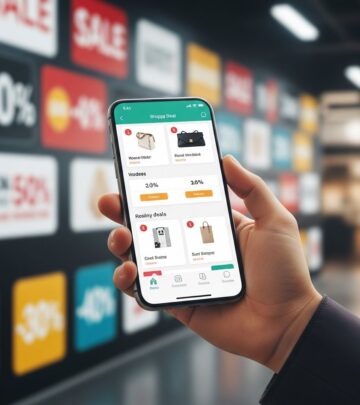
How to Become One of Those Lucky People Who Scores Great Deals
Unlock the secrets to consistently finding amazing deals through research, persistence, and smart strategies—no luck required.

Finding a great deal is not about luck—it’s about research, persistence, and hard work. Those people who always seem to snag incredible bargains have developed habits and strategies that anyone can adopt. This comprehensive guide breaks down the key tactics to transform you into a deal-hunting expert, saving hundreds or even thousands on everything from groceries to electronics.
1. Do Your Homework
The foundation of every great deal is thorough research. Before making any purchase, invest time in comparing prices across multiple retailers, both online and in-store. Use price comparison websites, check manufacturer sites, and read reviews to ensure you’re not just getting a low price on junk.
- Track historical pricing: Tools like CamelCamelCamel for Amazon show price trends, revealing if a ‘sale’ is truly a bargain.
- Sign up for newsletters: Retailers often send exclusive codes to subscribers, but unsubscribe after to avoid spam.
- Monitor clearance sections: Visit stores weekly or set alerts for online clearances.
Research also means understanding product quality. A deal on a short-lived item isn’t a win. Cross-reference specs and user feedback from trusted sites to balance cost and value.
2. Know When to Buy
Timing is everything in deal hunting. Prices fluctuate based on seasons, holidays, and inventory cycles. Master these patterns to buy low every time.
| Category | Best Time to Buy | Why? |
|---|---|---|
| Electronics | Black Friday, post-holiday | Retailers clear old stock for new models. |
| Clothing | End of season clearances | Winter gear cheapest in March, summer in September. |
| Appliances | October-November | Pre-holiday promotions and model year-ends. |
| Travel | Tuesday afternoons | Airlines release deals mid-week. |
Additionally, watch for end-of-month sales when salespeople push quotas, or weekday grocery ads for deeper discounts than weekends.
3. Build a Network
Deal hunters thrive on information sharing. Join communities where people post real-time alerts on flash sales, coupons, and insider tips.
- Follow deal forums like Slickdeals or Reddit’s r/frugalmalefashion.
- Create an email list with friends who swap promo codes.
- Engage store employees—they often tip off regulars about unadvertised specials.
Networking extends to loyalty programs. Rack up points at chains like Starbucks or airlines, then redeem during peak value periods.
4. Haggle Like a Pro
Negotiation isn’t just for flea markets—it’s viable everywhere from car dealerships to furniture stores. Approach with confidence and data.
- Research the lowest price: Show printouts or screenshots as leverage.
- Be polite but firm: Start with, “I’ve seen this for $X elsewhere—can you match?”
- Walk away if needed: This often prompts a callback with a better offer.
- Ask for add-ons: Free delivery or warranties sweeten deals without raising price.
In competitive markets, price matching policies (e.g., Best Buy, Target) guarantee you the lowest ad price.
5. Use Technology to Your Advantage
Leverage apps and browser extensions for effortless savings. Honey or Capital One Shopping auto-applies coupons; Ibotta scans receipts for cashback.
- Price trackers: The Chrome extension alerts when items drop to your target price.
- Cashback portals: Shop through Rakuten or TopCashback for 1-20% back.
- Barcode scanners: Apps like ShopSavvy compare in-store prices instantly.
Stack these: coupon + cashback + rewards card for compounded savings up to 30% off.
6. Shop Smart, Not Often
Avoid impulse buys by sticking to a list and waiting 24-48 hours on non-essentials. Bulk buying works for staples like toilet paper, but only if storage allows.
Embrace secondhand markets: Facebook Marketplace, thrift stores, or apps like OfferUp yield 50-80% off retail. Inspect carefully and negotiate.
7. Master Coupons and Rebates
Coupons aren’t just for groceries—find them for cars, hotels, and software. Clip digitally via apps like Coupons.com.
- Stacking rules: Use store + manufacturer coupons together where allowed.
- Rebates: Mail-in or app-submitted; set reminders to submit promptly.
- Freebies: Product samples from sites like PINCHme build stockpiles without cost.
8. Be Persistent and Patient
Great deals require effort. Check sites daily, wait out stock issues, or bid on auctions like eBay. Patience pays: that TV might drop another $50 next week.
Track your wins in a spreadsheet to stay motivated—seeing $500 saved annually reinforces habits.
Frequently Asked Questions (FAQs)
Is deal hunting time-consuming?
It starts that way but becomes routine. Dedicate 15-30 minutes daily for big returns.
What if a deal sells out?
Set alerts and have backups. True deals restock or similar ones appear.
Does haggling offend salespeople?
Not when done respectfully. Many appreciate savvy customers.
Are online deals safer than in-store?
Both have risks—use buyer protection like PayPal and check return policies.
Can anyone become a deal expert?
Yes! Start small, learn from misses, and scale up.
Bonus Tips for Advanced Deal Hunters
- Mispriced items: Spot and snag glitches (ethically report after).
- Corporate perks: Employee discounts via sites like CorporateShopping.com.
- Trade-ins: Apple, GameStop give credit toward upgrades.
By consistently applying these strategies, you’ll join the ranks of those ‘lucky’ deal scorers. Savings compound over time, freeing money for goals like debt payoff or vacations.
References
- Consumer Price Index Summary — U.S. Bureau of Labor Statistics. 2025-10-15. https://www.bls.gov/news.release/cpi.nr0.htm
- Retail Sales Report — U.S. Census Bureau. 2025-11-01. https://www.census.gov/retail/index.html
- Negotiation Strategies in Retail — Harvard Business Review. 2024-06-12. https://hbr.org/2024/06/the-art-of-negotiation
- Coupon Usage Trends — NielsenIQ. 2025-03-20. https://nielseniq.com/global/en/insights/report/2025/coupon-trends/
- Price Comparison Tools Efficacy — Federal Trade Commission. 2024-09-05. https://www.ftc.gov/reports/price-tools-study
Similar Articles








Read full bio of medha deb