How to Become an Insurance Agent: Career Guide
Complete roadmap to starting an insurance agent career with licensing, training, and advancement strategies.

The insurance industry offers a rewarding career path for individuals interested in helping clients protect their financial future. Insurance agents serve as trusted advisors, guiding individuals and businesses through complex insurance products and coverage options. Whether you’re looking to start a new career or transition into the insurance sector, understanding the steps required to become a licensed insurance agent is essential. This comprehensive guide outlines the educational requirements, licensing processes, certifications, and career advancement opportunities available in the insurance industry.
Understanding the Role of an Insurance Agent
Insurance agents are professionals who sell insurance policies to individuals, families, and businesses. They assess clients’ insurance needs, recommend appropriate coverage options, and help them understand policy terms and conditions. Insurance agents may specialize in various types of insurance, including life insurance, health insurance, property and casualty insurance, or commercial insurance.
The primary responsibilities of an insurance agent include:
- Evaluating clients’ financial situations and insurance needs
- Presenting suitable insurance products and coverage options
- Explaining policy features, benefits, and limitations
- Processing insurance applications and policy documentation
- Building and maintaining client relationships
- Following up with existing clients regarding policy renewals
- Resolving customer concerns and complaints
- Staying informed about industry changes and new insurance products
Educational Requirements and Prerequisites
While there is no universal educational prerequisite to become an insurance agent, most employers prefer candidates with at least a high school diploma or equivalent. Some insurance agencies and companies may require additional education, such as coursework in business, finance, or insurance.
Key educational considerations include:
- High School Diploma or GED: The minimum educational requirement for most insurance agent positions
- Bachelor’s Degree: Beneficial for career advancement, particularly for positions in management or specialized insurance lines
- Relevant Coursework: Courses in business, finance, economics, and communication skills strengthen candidacy
- Pre-Licensing Education: Many states require completion of approved pre-licensing courses before exam eligibility
Obtaining Your Insurance License
Obtaining an insurance license is a critical step in becoming an insurance agent. The licensing process varies by state but generally involves the following components:
Pre-Licensing Education
Before taking the licensing exam, most states require completion of approved pre-licensing courses. These courses cover insurance fundamentals, state regulations, policy types, and ethical standards. The number of required hours varies by state and the type of insurance license sought, typically ranging from 20 to 40 hours of instruction.
Pre-licensing education can be obtained through:
- Insurance agencies and brokerages
- Online learning platforms and courses
- Community colleges and educational institutions
- Insurance industry organizations and associations
Licensing Examinations
After completing pre-licensing education, aspiring insurance agents must pass a state licensing exam. The exam tests knowledge of insurance products, regulations, underwriting principles, and ethical guidelines. Exam formats vary by state but typically include multiple-choice questions covering various insurance topics.
Key examination details:
- Exams are administered by state insurance departments or third-party testing organizations
- Passing scores typically range from 60 to 70 percent, depending on state requirements
- Candidates can usually reschedule failed exams after a waiting period
- Some states allow online testing, while others require in-person exam administration
License Types and Specializations
Insurance licenses vary based on the types of insurance an agent wishes to sell:
| License Type | Coverage Area | Requirements |
|---|---|---|
| Life Insurance License | Life insurance, annuities, and retirement products | Pre-licensing course; state exam; background check |
| Health Insurance License | Health, disability, and long-term care insurance | Pre-licensing education; state exam; compliance training |
| Property and Casualty License | Auto, home, and commercial property insurance | Pre-licensing course; state exam; continuing education |
| Variable Product License | Variable life insurance and variable annuities | Series 6 or Series 7 securities license; pre-licensing education |
| Adjuster License | Insurance claims adjustment and verification | Specialized pre-licensing course; state-specific exam |
Background Checks and Fingerprinting
Most states require insurance license applicants to undergo background checks and fingerprinting. These security measures help protect consumers and maintain the integrity of the insurance industry. Applicants with certain criminal convictions or disciplinary history may be denied licensure.
Professional Certifications and Designations
While not always required, professional certifications enhance credibility, demonstrate expertise, and can lead to higher earnings. Several recognized certifications are available in the insurance industry:
- Chartered Life Underwriter (CLU): Offered by The American College of Financial Services, recognizing expertise in life insurance and financial planning
- Chartered Financial Consultant (ChFC): A comprehensive financial planning designation covering insurance, investments, and tax planning
- Certified Insurance Counselor (CIC): Demonstrates advanced knowledge in property and casualty insurance and risk management
- Professional Insurance Agent (PIA): Recognizes commitment to professional standards and ethical practices
- Accredited Adviser in Senior Living (AASL): Specializes in insurance products and services for senior populations
- Certified Senior Advisor (CSA): Focuses on understanding senior clients’ unique insurance and financial needs
Continuing Education Requirements
Insurance licenses require ongoing maintenance through continuing education (CE) courses. Most states mandate completion of CE hours every one to three years, depending on the license type and state regulations. Continuing education helps agents stay current with industry developments, regulatory changes, and new insurance products.
Typical CE requirements include:
- 12 to 24 hours annually or biennially, depending on state requirements
- Courses covering ethics, fraud prevention, and regulatory compliance
- Specialized topics related to license type (life, health, property and casualty)
- Online and in-person course options available through approved providers
Career Pathways and Specializations
The insurance industry offers diverse career pathways suited to different interests and expertise levels:
Independent Insurance Agent
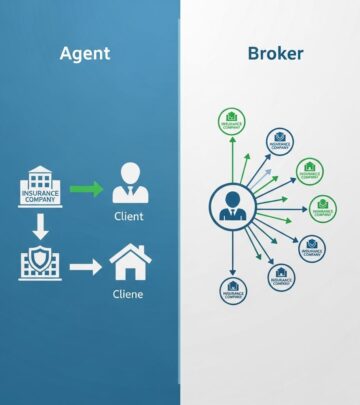
Independent agents work for themselves or small agencies and represent multiple insurance carriers. This pathway offers flexibility and the potential for higher earnings but requires entrepreneurial skills and business management capabilities.
Captive Agent
Captive agents work exclusively for a single insurance company, selling only that company’s products. This pathway offers stability, comprehensive training, and support but less flexibility in product offerings.
Specialized Insurance Lines
Agents can specialize in specific insurance lines such as commercial insurance, workers’ compensation, medical professional liability, or cyber insurance. Specialization typically requires additional training and certifications but can command higher commissions.
Management and Leadership Roles
Experienced agents can advance to management positions such as office manager, agency owner, or regional manager. These roles involve supervising agents, managing agency operations, and developing business strategies.
Employment Prospects and Growth Outlook
The insurance industry continues to offer employment opportunities, though growth rates vary by region and specialty. According to industry data, demand for insurance agents remains steady, particularly in property and casualty, health insurance, and commercial lines. Factors influencing job growth include:
- Population growth and increased demand for insurance coverage
- Regulatory changes requiring specialized insurance expertise
- Technological advancements creating new insurance products and delivery channels
- Retirement of experienced agents creating openings for new talent
- Economic factors affecting business expansion and insurance needs
Building a Successful Insurance Career
Success as an insurance agent requires a combination of technical knowledge, sales skills, and client relationship management abilities. Consider the following strategies:
- Develop Strong Communication Skills: Ability to explain complex insurance concepts clearly and persuasively
- Build Client Relationships: Focus on understanding client needs and providing personalized solutions
- Stay Informed: Continuously learn about industry trends, products, and regulatory changes
- Invest in Technology: Utilize customer relationship management (CRM) systems and digital tools to streamline operations
- Network Actively: Build relationships with referral sources, business partners, and industry professionals
- Seek Mentorship: Learn from experienced agents and industry leaders
- Prioritize Ethical Practices: Build reputation through honesty and transparent dealings with clients
Frequently Asked Questions (FAQs)
Q: How long does it take to become a licensed insurance agent?
A: The timeline varies by state but typically ranges from 4 to 12 weeks. This includes completing pre-licensing courses (2-4 weeks), studying for the exam (1-2 weeks), passing the licensing exam, and processing the license application (1-2 weeks).
Q: What is the average salary for insurance agents?
A: Insurance agent compensation varies significantly based on experience, location, specialization, and employment type. Many agents earn income through commissions and bonuses tied to policy sales, with experienced agents and those in specialized lines earning substantially more.
Q: Do I need a college degree to become an insurance agent?
A: No, a college degree is not required to become a licensed insurance agent. However, a bachelor’s degree can enhance career prospects, particularly for advancement into management or specialized roles.
Q: Can I work as an insurance agent part-time?
A: Yes, many insurance agencies offer part-time opportunities. However, building a successful insurance practice typically requires full-time commitment, especially in the early career stages when establishing a client base.
Q: What are the main differences between independent and captive agents?
A: Independent agents represent multiple insurance companies and have flexibility in product offerings and client choices. Captive agents work exclusively for one company but receive comprehensive support, training, and potentially more stable employment terms.
Q: How often must I renew my insurance license?
A: License renewal periods vary by state, typically ranging from 1 to 3 years. Most states require completion of continuing education hours before renewal. Check with your state’s insurance department for specific renewal requirements.
Q: Are professional certifications worth pursuing?
A: Yes, professional certifications enhance credibility, demonstrate expertise, and can lead to career advancement and higher earnings. They are particularly valuable for agents seeking to specialize or transition into management roles.
References
- Insurance Agent Licensing and Education Requirements — National Association of Insurance Commissioners (NAIC). 2024. https://www.naic.org
- Chartered Life Underwriter (CLU) Program — The American College of Financial Services. 2024. https://www.theamericancollege.edu
- State Insurance License Requirements and Renewal — National Association of Insurance and Financial Advisors (NAIFA). 2024. https://www.naifa.org
- Occupational Outlook Handbook: Insurance Sales Agents — U.S. Bureau of Labor Statistics. 2024. https://www.bls.gov/ooh/sales/insurance-sales-agents.htm
- Professional Insurance Certifications and Designations — Insurance Institute of America. 2024. https://www.iiaba.org
Similar Articles








Read full bio of Sneha Tete