How To Become Debt Free: 6 Proven Methods That Work
Master proven strategies to eliminate debt systematically and achieve lasting financial freedom through smart planning.

Becoming debt-free is a transformative goal that requires discipline, strategy, and persistence. While the journey may seem daunting, following structured steps can accelerate your progress toward financial independence. This guide outlines six proven methods to eliminate debt, helping you regain control of your finances and build a secure future.
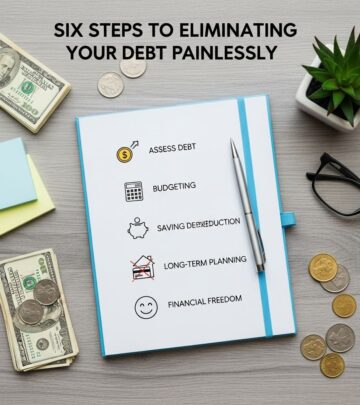
1. Assess Your Debt
The first step to conquering debt is understanding its full scope. Compile a comprehensive list of all your debts, including credit cards, personal loans, student loans, auto loans, and mortgages. For each, note the outstanding balance, interest rate, minimum monthly payment, and due date.
This inventory reveals the total debt burden and identifies high-priority items. High-interest debts, often from credit cards averaging 20-25% APR, compound quickly and should be targeted first. Use free online tools or spreadsheets to organize this data visually.
- Gather statements: Review recent bills for accurate balances and rates.
- Calculate totals: Sum balances for an overall picture.
- Prioritize: Rank by interest rate or balance size.
Assessing your debt demystifies the problem, empowering informed decisions. Many overlook hidden fees or variable rates, which can inflate costs unexpectedly.
2. Create a Budget
A realistic budget is the foundation of debt repayment. Track income and expenses to identify surplus funds for extra payments. Categorize spending into essentials (housing, food, utilities) and discretionary (dining out, entertainment).
Aim for the 50/30/20 rule: 50% needs, 30% wants, 20% savings/debt. Apps like Mint or YNAB simplify tracking, automatically categorizing transactions and alerting overspending.
| Category | Monthly Amount | % of Income |
|---|---|---|
| Needs (Rent, Groceries, Utilities) | $2,500 | 50% |
| Wants (Entertainment, Dining) | $1,500 | 30% |
| Savings/Debt | $1,000 | 20% |
Trim non-essentials: cancel unused subscriptions, cook at home, shop sales. Redirect savings to debt, accelerating payoff. Review budgets monthly, adjusting for life changes like raises or job loss.
3. Cut Expenses
Reducing spending creates breathing room for debt payments. Focus on high-impact areas without sacrificing quality of life. Negotiate bills—cable, insurance, cell phone—for lower rates. Many providers offer loyalty discounts.
- Housing: Refinance mortgages if rates drop; consider roommates.
- Transportation: Carpool, use public transit, maintain vehicles for efficiency.
- Food: Meal prep, buy generics, limit eating out to once weekly.
- Shopping: Implement 30-day waits for non-essentials; use cash-only.
Average households waste $1,500 yearly on subscriptions alone. Selling unused items via apps like Facebook Marketplace generates quick cash. Extreme measures like ‘no-spend’ months build momentum.
4. Increase Your Income
Boosting earnings amplifies repayment speed. Side hustles like freelancing, ridesharing, or tutoring add hundreds monthly. Upskill via free platforms (Coursera, Khan Academy) for promotions or better jobs.
Ask for raises—employees averaging 3-5% annually. Rent assets: spare room on Airbnb, car on Turo. Seasonal gigs like tax prep or holiday retail provide bursts. Dedicate 100% of extra income to debt.
- Gig economy: Uber, DoorDash—flexible $20+/hour.
- Online: Surveys (Swagbucks), microtasks (Amazon MTurk).
- Skills-based: Graphic design, writing on Upwork.
Combining income boosts with cuts can free $1,000+ monthly, slashing payoff time dramatically.
5. Debt Avalanche Method
The debt avalanche targets highest-interest debts first, minimizing total interest paid. List debts by APR descending. Make minimums on all, apply surplus to top debt. Once cleared, roll funds to next.
Example: $10k credit card (22% APR, $300 min), $15k loan (12% APR, $400 min), $5k card (18% APR, $150 min). Total min: $850. Add $650 surplus to 22% card. Clears in months, saving thousands in interest.
Mathematically optimal, avalanche suits analytical minds. Per Federal Reserve data, credit card debt exceeds $1 trillion, with high rates fueling cycles.
6. Debt Snowball Method
Dave Ramsey’s snowball builds momentum by clearing smallest balances first. List debts smallest to largest, ignoring interest. Minimums on all, surplus to smallest. Celebrate wins, roll payments forward.
Psychologically powerful: quick victories motivate. Low-balance snowball suits fee-heavy accounts. Hybrid: high-interest first, then small balances.
- Pros: Builds confidence, frees min payments quickly.
- Cons: May cost more interest long-term.
Both methods work; choose motivation fit. Track progress visually for sustained drive.
Other Debt Repayment Strategies
Beyond avalanche/snowball:
- Low-Balance Snowball: Prioritize tiny debts for fast wins, saving fees. Ideal for multiple small cards.
- Debt Consolidation: Combine into lower-rate loan. Balance transfers (0% intro APR) buy time.
- Biweekly Payments: Half monthly payment every two weeks equals one extra yearly.
Negotiate with creditors for hardship plans, lower rates. Bankruptcy last resort, damaging credit 7-10 years.
The Bottom Line
Debt freedom demands commitment but yields liberty. Start with assessment, budget ruthlessly, cut/increase strategically, attack via avalanche or snowball. Consistency trumps perfection; small daily actions compound.
Consult professionals for tailored plans. Tools like SmartAsset match vetted advisors free, customizing strategies. Persistence transforms burdens into triumphs.
Frequently Asked Questions (FAQs)
Q: How long does it take to become debt-free?
A: Varies by debt size/income; $30k at $1k/month takes 2-3 years with strategies. Consistency key.
Q: Should I pay debt or build emergency fund first?
A: Save $1,000 starter fund, then attack debt aggressively, rebuild to 3-6 months post-debt.
Q: Is debt consolidation worth it?
A: Yes if lower rate/disciplined; avoid new debt. Compare via calculators.
Q: What if I can’t make minimums?
A: Contact creditors immediately for plans. Nonprofit credit counseling (NFCC.org) helps.
Q: Does becoming debt-free improve credit score?
A: Yes, lowers utilization, shows responsibility. Scores rise within months.
References
- Consumer Credit – G.19 — Federal Reserve Board. 2024-10-07. https://www.federalreserve.gov/releases/g19/current/
- Consumer Expenditure Survey — U.S. Bureau of Labor Statistics. 2024-09-10. https://www.bls.gov/cex/
- Report on Debt Collection and Consumer Credit Check Costs — Consumer Financial Protection Bureau. 2023-05-15. https://www.consumerfinance.gov/data-research/research-reports/report-debt-collection-consumer-credit-check-costs/
- Personal Debt Levels by Age Group — Gallup. 2024-11-01. https://news.gallup.com/poll/647243/personal-debt-levels-age-group.aspx
- Financial Wellness in America — Wells Fargo/Gallup. 2024-06-20. https://www.wellsfargo.com/about/corporate-responsibility/financial-wellness/
Similar Articles








Read full bio of Sneha Tete