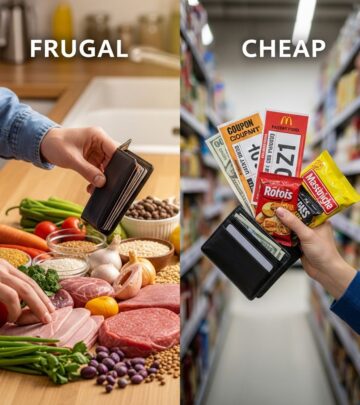
How To Be Frugal And Thrifty With Your Money
Discover the key differences between frugal and thrifty habits and how to use both mindsets to save more and reach your money goals.

Being careful with money is no longer optional; it is essential. Two words that often come up in money conversations are frugal and thrifty. They are related, but not identical. Understanding the difference can help you design a money strategy that feels sustainable and aligned with your values while still moving you toward your goals.
This guide explains what it means to be frugal vs. thrifty, gives real-life examples of each, and shows how to use both approaches to save more, spend wisely, and build long-term wealth.
What Does Being Frugal vs. Being Thrifty Mean?
People often use the terms frugal and thrifty as if they are the same, but there are meaningful differences in focus and behavior.
| Aspect | Frugal | Thrifty |
|---|---|---|
| Main focus | Getting the best value for your money | Maximizing what you already have and minimizing waste |
| Spending style | Willing to spend more for quality and long-term value | Prefers spending as little as possible and stretching resources |
| Decision mindset | Asks: “Is this worth the price over time?” | Asks: “Can I avoid buying this at all?” |
| Typical habits | Budgeting, price comparison, buying quality, delaying purchases | Reusing, repurposing, DIY, borrowing, shopping secondhand |
| Core goal | Optimize spending for value and long-term goals | Reduce spending and waste by using existing resources |
A frugal person pays attention to cost, but also to quality, durability, and how a purchase fits into long-term plans. Research from consumer economics shows that paying more upfront for higher-quality, durable goods can be cheaper over a product’s lifetime than repeatedly buying low-cost items that wear out quickly.
A thrifty person is skilled at living well on as little as possible, often by borrowing, reusing, and repairing. This mindset has roots in older “waste-not, want-not” traditions and can significantly reduce household spending and environmental impact.
Examples Of Being Frugal And Thrifty
Seeing the concepts in everyday situations makes the differences clearer. Below are parallel examples of frugal vs. thrifty choices in common spending categories.
Frugal Examples
- Groceries: Planning meals, comparing unit prices, using store apps for discounts, and buying in bulk when it lowers the cost per use.
- Housing: Choosing a safe, modest home that fits your budget and reduces commuting costs, even if it is not the biggest place you could be approved for.
- Transportation: Buying a reliable used car with low maintenance costs instead of a brand-new car with a large payment.
- Subscriptions: Canceling services you rarely use and keeping only those that deliver clear value, such as a streaming service you use daily or a gym you attend consistently.
- Technology: Waiting for sales, reading reviews, and buying mid-range devices that last several years rather than upgrading to the newest model every year.
Thrifty Examples
- Clothing: Shopping your closet first, repairing minor damage, and buying secondhand instead of new when you truly need something.
- Household items: Reusing glass jars for storage, turning old towels into cleaning rags, and fixing broken items before considering replacements.
- Furniture: Accepting hand-me-downs, refinishing a used table, or finding bargain pieces instead of buying everything brand new at once.
- Gifts: Creating thoughtful DIY gifts or baking instead of purchasing expensive, last-minute items.
- Entertainment: Borrowing books and movies from the library, attending free community events, or swapping games and books with friends.
Both approaches save money. Frugality often leans toward wise purchasing, while thriftiness emphasizes avoiding unnecessary purchases and leveraging what you already own.
Expert Tip: Frugal Or Thrifty, It Starts With A Good Money Mindset
Whether you lean frugal or thrifty, a healthy money mindset is the foundation. Your mindset affects how you see spending, saving, and your ability to reach financial goals.
Research in behavioral economics shows that framing money decisions around long-term goals, rather than short-term wants, leads to higher savings and better financial outcomes. A strong money mindset includes:
- Clarity: Knowing what you want your money to do for you (e.g., debt freedom, homeownership, flexibility, early retirement).
- Intentionality: Making spending decisions on purpose instead of out of habit or emotion.
- Optimism: Believing that your actions matter and that change is possible, even if you are starting from a challenging place.
- Resilience: Staying committed to your plan when unexpected expenses or setbacks happen.
Frugal and thrifty behaviors become much easier when you see them as tools that support a larger vision, not as punishment or deprivation.
How Can You Use Being Frugal Or Thrifty To Reach Your Financial Goals?
Saving money for its own sake is less motivating than saving for a clear purpose. Combining frugal and thrifty strategies can free up cash to put toward priorities like building an emergency fund, paying off debt, saving for retirement, or investing.
Connect Your Habits To Specific Goals
- Emergency fund: Redirect the savings you gain from cutting recurring expenses or reusing items into a dedicated savings account. Many financial experts recommend keeping 3–6 months’ worth of essential expenses as a buffer.
- Debt payoff: Use the extra money created by frugal and thrifty choices to make additional payments toward high-interest debt, which can significantly reduce interest costs over time.
- Long-term investing: Once high-interest debt is under control and you have a basic emergency fund, consistently invest a portion of your freed-up money into retirement accounts or other long-term investments.
Align Your Style With Your Life
Thrifty habits often save more money in the short term, while frugal habits help you build a sustainable lifestyle. You can:
- Lean more thrifty during seasons when you need to cut expenses sharply (job loss, large medical bill, debt payoff sprint).
- Lean more frugal when your income grows, so you maintain a moderate lifestyle and direct the difference into savings instead of lifestyle inflation.
Are Thrifty And Frugal The Same Thing?
They are closely related, but not identical.
- Overlap: Both aim to save money, avoid waste, and make thoughtful choices.
- Difference: Frugality focuses on intentional, value-based spending; thriftiness focuses on stretching what you have and minimizing new spending.
- Perception: Some people think “thrifty” means stingy or cheap, but true thriftiness is about resourcefulness, not selfishness.
Importantly, neither frugal nor thrifty has to mean joyless. You can still spend on things that truly matter to you—just with more intention and less waste.
How Can You Be Frugal? Practical Frugal Living Tips
Below are frugal strategies you can implement quickly to get more value from your money without feeling deprived.
1. Create A Budget To Prioritize Spending
A budget is simply a plan for your money. It helps you prioritize essentials, savings, and the things that bring real joy. Numerous studies show that people who actively track their spending are more likely to meet financial goals and avoid problem debt.
- List your monthly income from all sources.
- Track your fixed expenses (housing, utilities, debt payments, insurance).
- Estimate variable expenses (groceries, gas, personal spending).
- Assign intentional amounts to savings and investing before discretionary spending.
- Review and adjust monthly, especially after major life changes.
2. Focus On Value, Not Just Price
Frugal living is about value over time. Paying a little more now can mean lower cost per use and fewer replacements later.
- Choose durable items for things you use daily (shoes, work tools, cookware).
- Read reviews and check warranties before major purchases.
- Ask, “How long will this last, and how often will I use it?”
3. Cut Recurring Costs Thoughtfully
Recurring expenses quietly drain budgets. Small, thoughtful cuts can free up meaningful money without hurting your quality of life.
- Negotiate bills like internet or phone service when possible.
- Cancel unused memberships and subscriptions.
- Look for cheaper alternatives that still meet your needs (e.g., smaller data plan, fewer streaming services).
4. Plan Purchases And Avoid Impulse Spending
Frugal people use time as a filter. Waiting 24–48 hours before unplanned purchases often reduces impulse buys significantly.
- Keep a running wish list and revisit it monthly.
- Use the “need vs. want” test before buying.
- Delay non-essential purchases and see if you still want them later.
How Can You Be Thrifty? Practical Thrifty Living Tips
Thrifty habits help you reduce consumption, waste less, and get creative with what you already own.
1. Reuse Items As Much As Possible
Reusing is at the heart of thriftiness. It saves money and reduces waste, aligning with environmental recommendations to prioritize reuse over disposal.
- Reuse containers (jars, boxes) for storage instead of buying organizing products.
- Turn worn-out clothing into cleaning rags or craft materials.
- Refill and reuse bottles and bags when safe and appropriate.
2. Repurpose What You Already Own
Repurposing extends the life of items that no longer serve their original purpose.
- Use old mugs as pen holders or plant pots.
- Turn a bookshelf into a pantry or storage unit.
- Transform leftover fabric into reusable shopping bags.
3. Repair Before You Replace
Choosing repair over replacement can delay or eliminate spending on new items and reduce waste.
- Sew small tears, replace buttons, or resole shoes.
- Learn basic home maintenance (e.g., fixing minor leaks, patching small holes).
- Use online tutorials or local repair cafes for guidance.
4. Borrow, Swap, Or Buy Secondhand
Thrifty people rarely buy new when they can borrow or buy used, especially for items used infrequently.
- Borrow tools, books, or special-occasion items from friends or your local library.
- Organize clothing or book swaps.
- Check secondhand sources for furniture, children’s items, or hobby tools.
5. Maximize Your Budget
Being thrifty often means consistently looking for ways to stretch each dollar.
- Cook at home more often instead of eating out.
- Use price-matching or coupons strategically for essentials.
- Batch errands to save on gas and time.
6. Spend Time To Save Money
Thrifty living sometimes trades time for savings, such as cooking from scratch, doing your own home projects, or comparison shopping.
- Identify which tasks you enjoy (gardening, DIY, cooking) and focus your efforts there.
- Avoid overloading yourself with time-consuming savings tactics that you dislike or cannot maintain.
- Balance your time investment with the actual financial benefit.
Define Which Method You Prefer: Being Frugal Or Being Thrifty
You do not have to choose only one; most people use a mix. However, understanding your natural tendency helps you refine your approach.
- If you love planning, comparing options, and analyzing value, you may lean more frugal.
- If you enjoy DIY, creative reuse, and low- or no-spend challenges, you may lean more thrifty.
- You can adopt frugal habits in areas where quality matters most to you, and thrifty habits where you are happy to minimize spending.
The key is to design a system you can maintain long term without feeling burned out or deprived.
What Is A Thrifty Person Like?
A thrifty person is not simply “cheap.” True thriftiness combines creativity, discipline, and resourcefulness.
- Resourceful: Finds ways to meet needs using what is already available.
- Patient: Waits for the right moment to buy (if buying is necessary at all).
- Creative: Enjoys DIY solutions and repurposing projects.
- Values experiences over things: Often focuses on low-cost or free experiences rather than frequent shopping.
- Environmentally conscious: Naturally reduces waste by extending the life of items.
Articles Related To Being Frugal And Thrifty
If you want to go deeper, look for resources on:
- Frugal living and simple living strategies
- Intentional spending and mindful consumption
- Debt repayment strategies using savings from frugal or thrifty habits
- Building an emergency fund and long-term investment plan
Being Frugal And Thrifty Are Both Good Ways To Save Money
Both frugal and thrifty lifestyles can improve your finances significantly. Financial education organizations and consumer research repeatedly show that consistent saving and controlled spending are among the strongest predictors of financial stability.
- Use frugality to guide what you buy and how much you are willing to pay for lasting value.
- Use thriftiness to reduce how often you buy and how much you waste.
- Connect both sets of habits to your goals so the money you save has a clear purpose.
When someone labels you “frugal” or “thrifty” in a negative way, remember that these are powerful tools. You are simply choosing a money-conscious lifestyle that prioritizes your long-term financial freedom.
Frequently Asked Questions (FAQs)
Q: Is it better to be frugal or thrifty?
A: Neither is automatically better. Frugality focuses on value and long-term quality, while thriftiness focuses on minimizing purchases and using what you have. The best approach is usually a mix of both, customized to your lifestyle and financial goals.
Q: Does being frugal or thrifty mean I can never splurge?
A: No. Both frugal and thrifty people can and do splurge on what matters most to them. The difference is that they cut back in low-priority areas so they can spend more freely in high-priority areas without going into debt.
Q: How do I start being more frugal if I feel overwhelmed?
A: Start small. Track your spending for a month, then pick one or two categories (such as eating out or subscriptions) to adjust. Add more habits over time as you get comfortable.
Q: Is being thrifty the same as being cheap?
A: No. Being cheap focuses only on the lowest price, even if quality suffers or other people are negatively affected. Being thrifty is about being resourceful and intentional while still considering quality and long-term impact.
Q: Can frugal and thrifty habits really make a big difference?
A: Yes. Even modest monthly savings can compound significantly over time when directed to debt payoff or investing. Consistency matters more than perfection.
References
- Emergency savings — Consumer Financial Protection Bureau. 2024-01-10. https://www.consumerfinance.gov/consumer-tools/educator-tools/resources-for-financial-educators/topics/emergency-savings/
- How America Saves 2023 — Vanguard. 2023-06-01. https://institutional.vanguard.com/en-insights/research/retirement/how-america-saves
- National Overview: Facts and Figures on Materials, Waste and Recycling — U.S. Environmental Protection Agency. 2023-11-16. https://www.epa.gov/facts-and-figures-about-materials-waste-and-recycling/national-overview-facts-and-figures-materials
- Financial well-being in America 2017 — Consumer Financial Protection Bureau. 2017-09-26. https://www.consumerfinance.gov/data-research/research-reports/financial-well-being-america/
- Economic Well-Being of U.S. Households in 2023 — Board of Governors of the Federal Reserve System. 2024-05-21. https://www.federalreserve.gov/publications/2024-economic-well-being-of-us-households-in-2023-overview.htm
Similar Articles








Read full bio of Sneha Tete