How To Be Fashionable On A Budget: 9 Easy Style Tips
Discover smart, budget-friendly fashion strategies to look stylish and confident without overspending on your wardrobe.
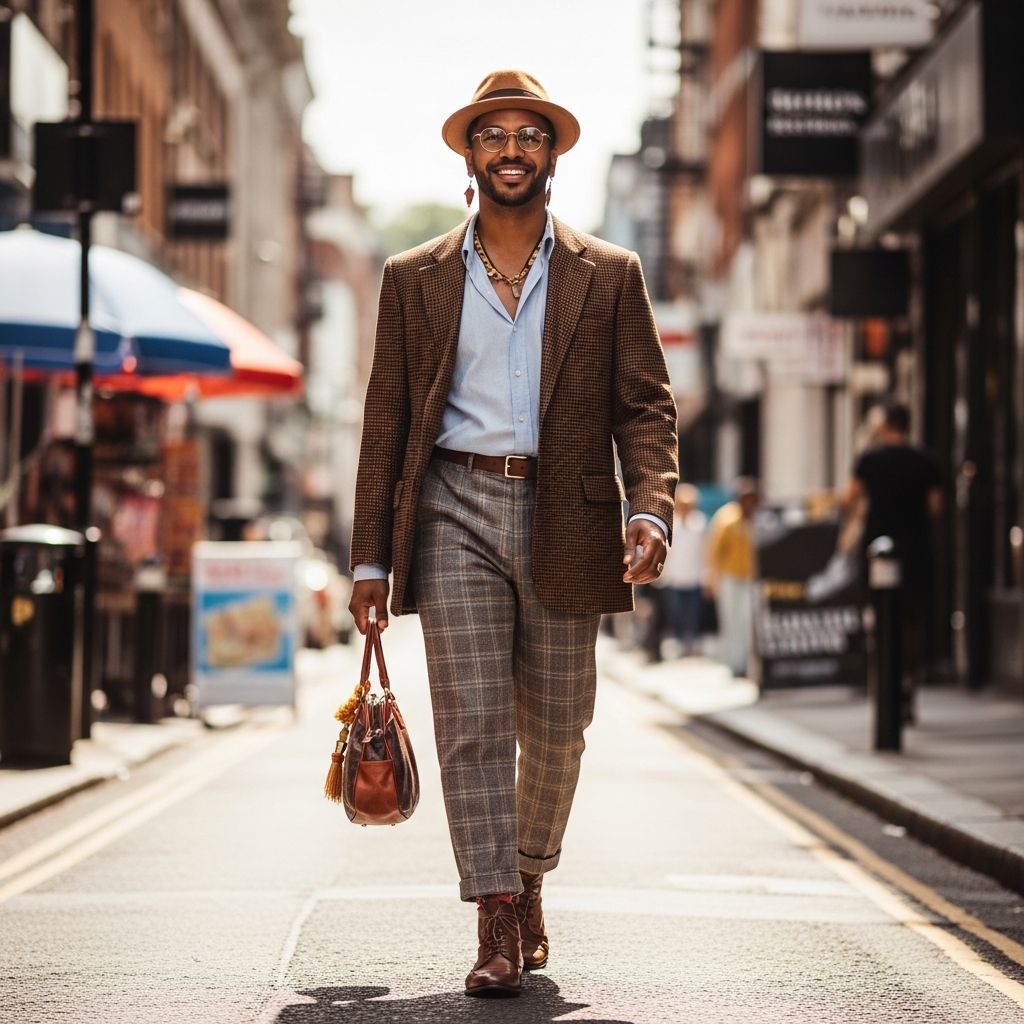
Looking stylish does not have to mean draining your bank account. With thoughtful planning, smart shopping, and a clear sense of your personal style, you can build a wardrobe you love while still hitting your savings and debt payoff goals. This guide walks you through practical, budget-friendly ways to be fashionable without sacrificing your financial health.
Why fashion on a budget matters
Clothing and personal style can be a powerful tool for confidence, first impressions, and self-expression. At the same time, clothing is a regular spending category that can quietly eat into your budget if you do not plan for it. In surveys of consumer spending in the United States, apparel and related services typically make up a noticeable portion of household expenditures every year. When you give your wardrobe a plan, you protect both your style and your long-term financial goals.
9 tips on how to be fashionable on a budget
The key to looking fashionable on a budget is focusing on value: items that make you feel great, last a long time, and work with multiple outfits. Use these nine strategies to upgrade your style while keeping costs under control.
1. Avoid overspending on trendy pieces
Trends change quickly. A color, print, or silhouette that dominates this season may feel dated in a few months. When you devote too much of your budget to highly trendy pieces, you often end up with items you wear only a handful of times before moving on.
Instead of building your closet around trends, consider them the “spice” rather than the “main course.” Focus your fashion budget primarily on items that will still look good next year and the year after.
- Limit trend purchases to a small share of your clothing budget (for example, 10–15%).
- Choose trends that align with your body type and lifestyle so you will actually wear them.
- Buy trendy items in lower-cost categories like accessories rather than major pieces like coats.
Fast-changing fashion trends also contribute to clothing waste, with millions of tons of textiles discarded each year worldwide, so buying fewer, better-chosen pieces can support both your budget and the environment.
2. Watch for online sales and promotions
Online shopping makes it easy to compare prices and wait for discounts. Many retailers run frequent promotions, clearance events, and end-of-season sales that can significantly reduce the cost of clothing and shoes.
- Sign up for store newsletters to receive sale alerts and introductory discounts.
- Add desired items to your cart or wishlist and wait a few days to see if a discount appears.
- Shop end-of-season sales for timeless pieces like coats, denim, or neutral shoes.
Be intentional: a discounted item you never wear is still wasted money. Before you buy, ask whether the piece fits your existing wardrobe and how often you will realistically wear it.
3. Use online tools, apps, and coupon extensions
Shopping technology can make saving money on fashion much easier. Browser extensions and shopping apps often automatically search for coupon codes at checkout or alert you when prices drop.
- Install a reputable coupon or deal extension that tests codes at checkout.
- Use price-tracking tools to monitor specific items and buy when the price falls.
- Check cash-back or rewards platforms before you complete an online order.
Always compare the final cost—including shipping and returns—to make sure the deal is truly worth it. Even when using coupons, planning your purchases and sticking to a list helps prevent impulse buys.
4. Build a capsule wardrobe with classic pieces
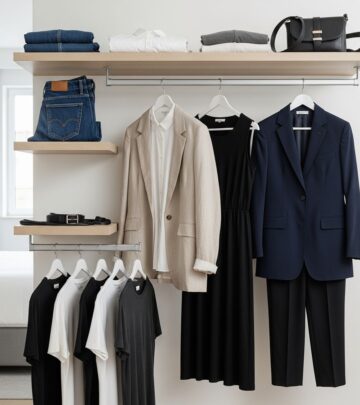
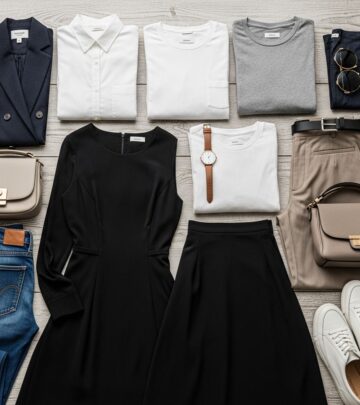
A capsule wardrobe is a small, carefully selected collection of clothing that coordinates well and covers most of your daily needs. The emphasis is on quality, versatility, and timeless cuts rather than volume. Clothing systems like this simplify decision-making and can help reduce overspending on items you rarely use.
Common classic pieces include:
- Well-fitting jeans in a dark or medium wash
- Neutral trousers (black, navy, or beige)
- Plain tees and tops in colors that complement your skin tone
- A blazer or structured jacket
- A simple dress you can dress up or down
- Comfortable, neutral shoes for daily wear
When you buy classic items in neutral colors and durable fabrics, you can mix and match them into many different outfits. Over time, this often results in less total spending and fewer clothing regrets.
| Classic Item | Why It Works On A Budget | How To Style It |
|---|---|---|
| Dark-wash jeans | Suitable for casual and semi-dressy outfits | Pair with a tee and sneakers, or a blouse and heels |
| White or black tee | Low cost per wear, easy to layer | Wear under blazers, cardigans, or statement jewelry |
| Neutral blazer | Instantly elevates simple outfits | Layer over jeans and a tee for a polished look |
| Little black dress | Works for many occasions with accessories | Style with flats for daytime or heels and jewelry at night |
5. Prioritize fit and tailoring over labels
Fit often matters more than brand names when it comes to looking put-together. A moderately priced garment that fits you well will almost always look better than an expensive piece that does not flatter your body shape.
- Know your measurements and check size charts before buying online.
- Plan a small budget for tailoring simple adjustments like hemming pants or taking in a waist.
- Try different cuts (high-rise vs. mid-rise, straight vs. wide-leg) to find silhouettes that feel comfortable and confident.
Tailoring can extend the life of clothing, especially for items you wear frequently, such as work pants or dresses. Repairing or adjusting clothing instead of replacing it is also a way to reduce textile waste and the environmental impact of fashion.
6. Shop secondhand, thrift, and consignment
Thrift stores, consignment shops, and online resale platforms are excellent places to find high-quality clothing at a fraction of retail prices. Secondhand shopping supports your budget and reduces demand for new clothing, which is beneficial in a world where apparel production uses significant energy and resources.
- Start with neighborhoods or stores known for good-quality donations.
- Look for natural or durable fabrics and check seams, zippers, and buttons.
- Be patient; treat thrifting like a treasure hunt rather than a quick errand.
You can also sell or consign items from your own closet that you no longer wear. This gives those pieces a second life and provides extra cash you can direct toward more useful wardrobe additions or your financial goals.
7. Invest strategically in key pieces
Being fashionable on a budget does not mean you can never spend more on an item. It means you spend more intentionally. When you decide to invest, direct funds toward items with low cost per wear and long useful lives.
Consider paying more for:
- Everyday shoes that need to be comfortable and durable
- A versatile coat suitable for most of the year in your climate
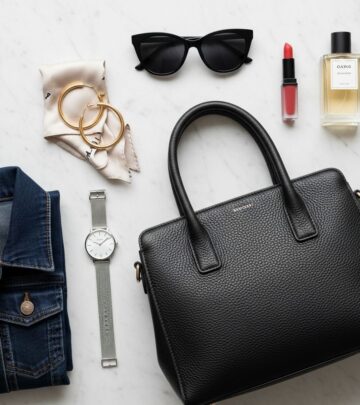
- A quality handbag that matches many outfits
- Workwear staples you wear frequently, such as blazers or slacks
To keep these purchases aligned with your financial plan, include a clothing category in your monthly budget. Budgeting tools and recommended practices suggest allocating discretionary funds intentionally so that categories like clothing do not crowd out savings and debt payments.
8. Care for your clothes to make them last
Taking good care of the clothing you already own is one of the most overlooked ways to be fashionable on a budget. Proper care lengthens the life of garments, which reduces replacement costs and waste.
- Read and follow care labels for washing and drying.
- Wash on gentle cycles when possible and avoid very high dryer heat.
- Use garment bags for delicate items.
- Store shoes and bags away from direct sunlight and moisture.
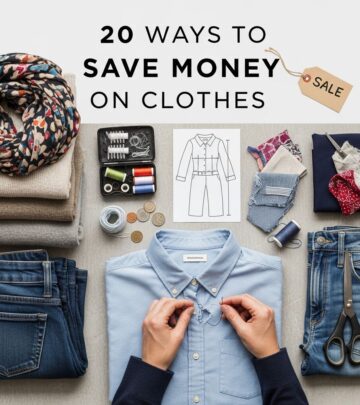
Simple repairs—sewing on a button, closing a small seam, or polishing shoes—can keep items looking fresh. Many community education programs and online tutorials can help you learn basic mending skills at little or no cost.
9. Make a style budget and stick to it
To stay fashionable and financially secure, treat style like any other planned category in your budget. Knowing how much you can comfortably spend each month makes it easier to say yes or no to potential purchases.
- Review your income and essential expenses to determine a realistic clothing amount.
- Decide how much of that amount goes to basics, how much to trends, and how much to savings for bigger items.
- Track your purchases and evaluate them periodically: which items were worth the money and which were not?
Budgeting is a core part of overall financial health, helping individuals allocate resources, avoid excessive debt, and work toward long-term goals such as emergency savings or retirement. When fashion spending is planned instead of impulsive, it fits more comfortably within that broader financial picture.
Free or low-cost ways to refresh your style
Even if you have very little money to spend right now, there are still ways to improve your style and feel more put-together.
Shop your own closet first
Before buying anything new, thoroughly go through the clothing you already own. Many people rediscover forgotten items or combinations they have never tried simply by organizing their closets.
- Sort clothing by type and color so you can clearly see what you have.
- Try on pieces you have not worn in a while to check fit and condition.
- Make a list of gaps (for example, you may realize you need a simple belt or a neutral cardigan).
An organized closet helps you avoid buying duplicates and better understand your true wardrobe needs. It also makes getting dressed faster and less stressful.
Experiment with new outfit combinations
Creativity costs nothing. Sometimes the quickest route to feeling more fashionable is simply pairing your existing pieces in fresh ways.
- Layer dresses over t-shirts or turtlenecks for a new look.
- Mix casual and dressy items, such as sneakers with a skirt or a blazer with jeans.
- Experiment with color combinations you have not tried before.
Take photos of outfits you love so you can easily recreate them later. Over time, you will build a personal lookbook that reflects your real style and lifestyle.
Use accessories to elevate simple outfits
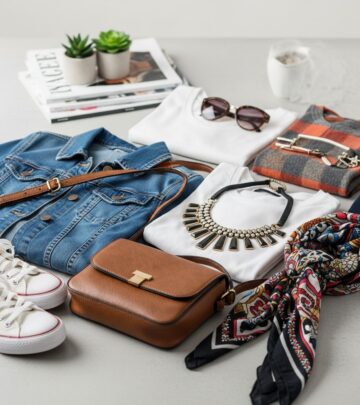
Accessories are one of the most budget-friendly ways to update your look. A basic jeans-and-tee outfit can appear completely different with a statement necklace, scarf, or structured bag.
- Focus on versatile accessories like belts, scarves, and minimalist jewelry.
- Choose a few pieces that express your personality—bold earrings, colorful scarves, or a distinctive watch.
- Rotate accessories regularly to keep outfits feeling fresh.
Because accessories tend to experience less wear and tear than clothing, they often have a low cost per wear and can remain in your collection for many years.
Create a signature hair or makeup look
Your clothing is only one part of your overall style. Hair and makeup can also contribute to a cohesive, polished appearance, and a simple signature look can be both low-maintenance and low-cost.
- Choose one or two hairstyles that work for your daily routine and practice them.
- Keep makeup minimal if you prefer—such as even skin tone, groomed brows, and a favorite lip color.
- Schedule regular, budget-conscious trims to maintain healthy hair.
Research on appearance and self-perception indicates that feeling satisfied with your appearance can support confidence and social comfort, even when changes are relatively small. A consistent, authentic look often matters more than following every beauty trend.
Fashion and your overall financial plan
Being fashionable on a budget is not about depriving yourself or never buying clothes. It is about aligning your style choices with your financial priorities. When you understand your wardrobe needs, plan your spending, and shop intentionally, you can enjoy fashion without guilt or stress.
Over time, your goal is to reach a place where:
- You regularly wear and enjoy most of the items in your closet.
- Your clothing purchases are planned rather than impulsive.
- Your wardrobe supports your lifestyle, work, and personal goals.
- Your fashion spending fits comfortably within your overall budget.
With these habits, you can express your personal style, show up confidently in your daily life, and still stay on track with saving, investing, and building long-term financial security.
Frequently Asked Questions (FAQs)
Q: How much should I budget for clothing each month?
A: There is no single number that fits everyone. A helpful approach is to review your income and essential expenses, then decide what portion of your discretionary money can go to clothing without reducing savings or causing debt. Some people aim for a small fixed percentage of income, while others set a flat amount that fits their current priorities.
Q: Is it worth paying more for high-quality pieces?
A: Yes, when you choose carefully. Higher-quality items for everyday use—like shoes, coats, or workwear—often last longer and feel more comfortable, which lowers their cost per wear over time. The key is to invest only in items you know you will wear frequently and that fit your personal style.
Q: Can I still follow trends if I am on a strict budget?
A: You can, but selectively. Focus on one or two trends per season and incorporate them through lower-cost items such as accessories, t-shirts, or nail colors. Keep the core of your wardrobe classic so you do not feel pressured to replace everything when trends shift.
Q: Are thrifted clothes really a good deal?
A: Thrifted and secondhand items can offer excellent value, especially for higher-end brands or sturdy basics. The key is to check for quality, fit, and condition. When chosen carefully, secondhand pieces can last for years and cost far less than buying similar items new.
Q: How do I stop impulse buying when I see a great sale?
A: Before buying, pause and ask yourself a few questions: Does this fit within my clothing budget? Can I make at least three outfits with items I already own? Would I buy it at full price? If the answer is no, consider skipping the purchase or waiting 24 hours before deciding.
References
- Consumer Expenditures in 2023 — U.S. Bureau of Labor Statistics. 2024-09-10. https://www.bls.gov/news.release/cesan.nr0.htm
- Textiles and the Environment: the role of design in Europe’s circular economy — European Environment Agency. 2022-02-10. https://www.eea.europa.eu/publications/textiles-and-the-environment-europes
- Capsule wardrobe: Fashion, clothing, and sustainability — University of Leeds, School of Design (briefing). 2021-06-01. https://ahc.leeds.ac.uk/download/downloads/id/3256/capsule_wardrobe_briefing.pdf
- How to Budget — Consumer Financial Protection Bureau. 2023-05-03. https://www.consumerfinance.gov/consumer-tools/budgeting/
- Tracking Your Spending — Financial Consumer Agency of Canada. 2022-11-15. https://www.canada.ca/en/financial-consumer-agency/services/managing-money/tracking-expenses.html
- Appearance-Based Rejection Sensitivity and Social Functioning — Park, L. E. et al., Psychology and Aging. 2010-03-01. https://doi.org/10.1037/a0017638
Similar Articles








Read full bio of medha deb