How to Bake Sourdough Bread and Save a Buck on Every Loaf
Master the art of homemade sourdough bread making to slash grocery costs, boost nutrition, and enjoy artisan-quality loaves daily.
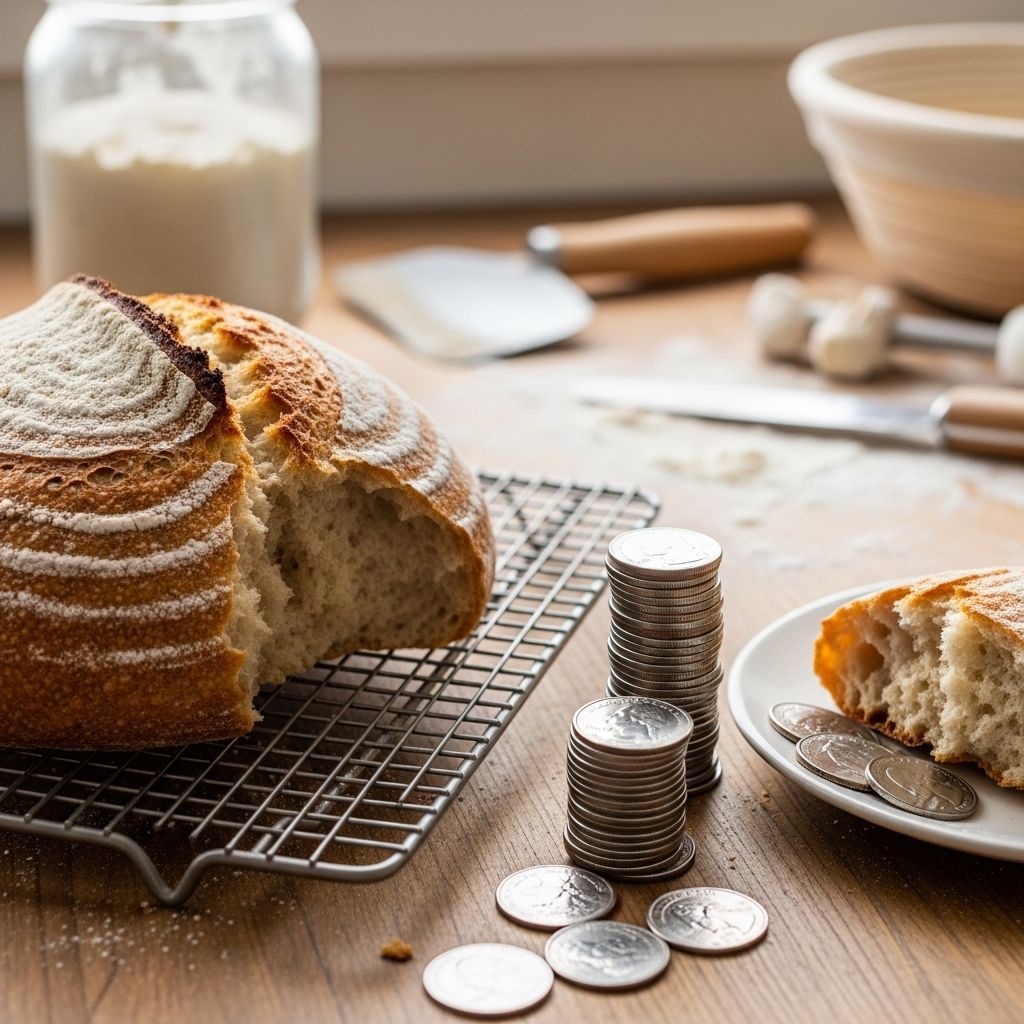
Store-bought sourdough bread often costs $5 to $8 per loaf, but making it at home costs under $4 per loaf using basic ingredients. This guide teaches you everything from creating a
sourdough starter
to perfecting your bake, helping you save money while enjoying fresher, healthier bread.What is Sourdough Bread?
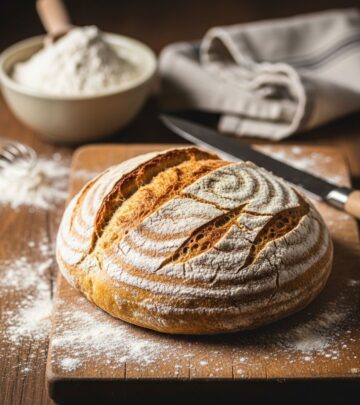
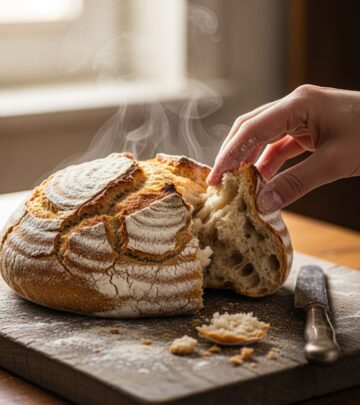
**Sourdough bread** is naturally leavened bread made without commercial yeast. It relies on wild yeast and lactic acid bacteria captured in a sourdough starter—a fermented mixture of flour and water. This ancient method dates back thousands of years and produces bread with a tangy flavor, chewy crumb, and crisp crust.
Unlike conventional bread, which uses rapid-rising commercial yeast, sourdough undergoes a slow fermentation process. This breaks down gluten partially, reduces fructans by up to 92%, and lowers phytic acid, improving digestibility for those with mild gluten sensitivities (though not suitable for celiac disease). The result is bread that’s not only tastier but potentially healthier, with a lower glycemic index for stable blood sugar levels.
Health Benefits of Sourdough Bread
Baking sourdough at home lets you control ingredients for maximum nutrition. Here’s why it’s superior to commercial loaves:
- Improved Digestibility: Fermentation pre-digests gluten and complex carbs, reducing bloating and discomfort.
- Lower Glycemic Index: Slow-release sugars prevent blood sugar spikes, ideal for diabetes management.
- Enhanced Nutrient Absorption: Phytase activated during fermentation neutralizes phytic acid, unlocking minerals like iron and zinc.
- Probiotics and B Vitamins: Natural bacteria produce vitamins and act as probiotics for gut health.
- No Additives: Avoid preservatives, emulsifiers, and sugars found in store bread.
A 1-ounce slice of homemade whole-grain sourdough offers about 80 calories, 3g protein, 15g carbs, and 2g fiber—similar to white bread but with better bioavailability. Use whole-grain flours like einkorn or spelt for even more fiber and nutrients.
Creating Your Sourdough Starter
A
sourdough starter
is the heart of every loaf—live wild yeast and bacteria ready to leaven dough. It’s free to make and lasts indefinitely with weekly feedings. No need to buy expensive packets of yeast again!Ingredients (for 1 cup starter):
- 100g whole-grain flour (einkorn or rye works best to capture wild yeast)
- 100g filtered water (room temperature, chlorine-free)
- Optional: 1 tsp sea salt after maturity
Step-by-Step Instructions:
- Day 1: Mix 50g flour and 50g water in a clean glass jar. Stir until smooth (like thick pancake batter). Cover loosely with a cloth and let sit at 70-75°F for 24 hours.
- Day 2: You may see a few bubbles. Discard half (25g), add 50g flour and 50g water. Stir, cover, wait 24 hours.
- Days 3-7: Repeat daily: discard half, feed 50g flour + 50g water. By day 5, it should double in size within 4-8 hours, smell tangy like yogurt, and show bubbles. It’s ready when it passes the float test—drop a tsp in water; if it floats, use it!
**Maintenance:** Store in fridge, feed weekly (discard half, add 100g each flour/water). Before baking, refresh at room temp for 12 hours. Use organic flour to avoid pesticides.
| Day | Activity | Expected Signs |
|---|---|---|
| 1-2 | Mix & wait | Few bubbles |
| 3-4 | Discard & feed | Hooches, sour smell |
| 5-7 | Float test | Doubles reliably |
Sourdough Bread Recipe for Beginners
This simple recipe yields one large loaf (900g dough) costing ~$1.50-2.50 vs. $6+ store-bought. Prep time: 10 min active, 12-18 hours total.
Ingredients:
- 100g active starter (fed 8-12 hrs prior)
- 350g water (room temp)
- 500g bread flour (or 400g bread + 100g whole wheat)
- 10g sea salt
Instructions:
- Autolyse (30-60 min): Mix flour and water until no dry bits. Rest to hydrate gluten.
- Add Starter & Salt: Incorporate starter, then salt. Pinch and fold into shaggy dough.
- Bulk Fermentation (8-12 hrs): At 70-75°F, perform 4-6 stretch-and-folds every 30 min in first 2 hrs. Let rise 50-75% (dough puffy, jiggly).
- Shape: Pre-shape into ball, rest 20 min. Final shape into tight boule or batard. Place in floured proofing basket, seam up.
- Cold Proof (8-12 hrs): Refrigerate overnight for flavor development.
- Bake (45-60 min): Preheat Dutch oven to 450°F. Score loaf, bake covered 20 min, uncovered 25-35 min until 205°F internal. Cool 2 hrs.
**Cost Breakdown (per loaf):** Flour $0.75, salt $0.05, water $0—total $0.80 + starter (free). Savings: $4-7/loaf.
Tips for Perfect Sourdough Every Time
- Temperature Control: Ideal 75°F for fermentation. Use proofing box or oven light if cold.
- Flour Choices: Bread flour for structure; mix in 20% whole grain for nutrition without density.
- Hydration: Start at 70% (350g water/500g flour). Increase for open crumb.
- Scoring: Use lame or sharp knife for ear expansion.
- Troubleshooting:
- Gummy crumb? Underbaked—aim for 210°F.
- Flat loaf? Weak starter—feed more.
- Dense? Over-proofed—shorten cold proof.
Experiment with add-ins: olives, cheese, seeds for variety.
Sourdough vs. Commercial Bread: A Comparison
| Aspect | Sourdough (Homemade) | Commercial Bread |
|---|---|---|
| Leavening | Wild yeast + bacteria, slow ferment | Commercial yeast, fast rise |
| Digestibility | High (gluten/fructan reduced 92%) | Lower, more bloating |
| Glycemic Index | Low, stable blood sugar | High, spikes |
| Nutrients | Bioavailable minerals, probiotics | Phytic acid blocks, additives |
| Cost per Loaf | $1-3 | $5-8 |
| Shelf Life | 1 week+ naturally | Preservatives needed |
Cost Savings and Frugal Tips
Baking weekly saves $200+/year for a family. Bulk-buy flour (e.g., 50lb bag $30 lasts months). Starter eliminates yeast costs forever. Use byproducts: discard for pancakes, crackers. Pair with butter to lower GI further.
Variations and Advanced Recipes
- Whole Grain Sourdough: 100% einkorn—nutrient-dense, easier on digestion.
- Baguettes: Higher hydration (75%), long cold proof.
- Sweet Loaf: Add honey, cinnamon to starter-fed dough.
- Pizza Crust: Use dough straight from bulk ferment.
Frequently Asked Questions (FAQs)
Q: How long does it take to make sourdough bread?
A: Active time is 30-45 min; total 24-36 hrs mostly hands-off fermentation.
Q: Can I use all-purpose flour for starter?
A: Yes, but whole-grain jumpstarts wild yeast better.
Q: Is homemade sourdough healthier?
A: Yes, lower GI, better digestibility, no additives.
Q: What if my starter doesn’t bubble?
A: Warmer spot, fresh flour, or pineapple juice boost (acidifies).
Q: How much can I save baking sourdough?
A: $3-6 per loaf; $150-300/year for regular bakers.
Conclusion
Mastering sourdough empowers you to bake artisan bread cheaply and healthily. Start your culture today—your wallet, gut, and taste buds will thank you. Happy baking!
References
- Is Sourdough Bread Good for You? — Consumer Reports. 2023-10-15. https://www.consumerreports.org/health/healthy-eating/is-sourdough-bread-good-for-you-a6956800331/
- Unlocking the Nutritional Secrets of Sourdough Bread — Abiotobaking. 2024-05-20. https://abiotobaking.com/blogs/blog/unlocking-the-nutritional-secrets-of-sourdough-bread-health-benefits-over-commercial-bread
- Make Your Own Sourdough Bread — Weston A. Price Foundation. 2022-08-10. https://www.westonaprice.org/health-topics/make-your-own-sourdough-bread/
- The Main Nutritional Differences Between Sourdough And White Bread — Chowhound. 2024-02-12. https://www.chowhound.com/2061504/nutritional-differences-sourdough-white-bread-info/
Similar Articles








Read full bio of medha deb