How to Avoid These 5 Hidden Costs of Winter
Winter storms bring unexpected expenses—learn practical strategies to dodge these 5 hidden costs and safeguard your budget this season.
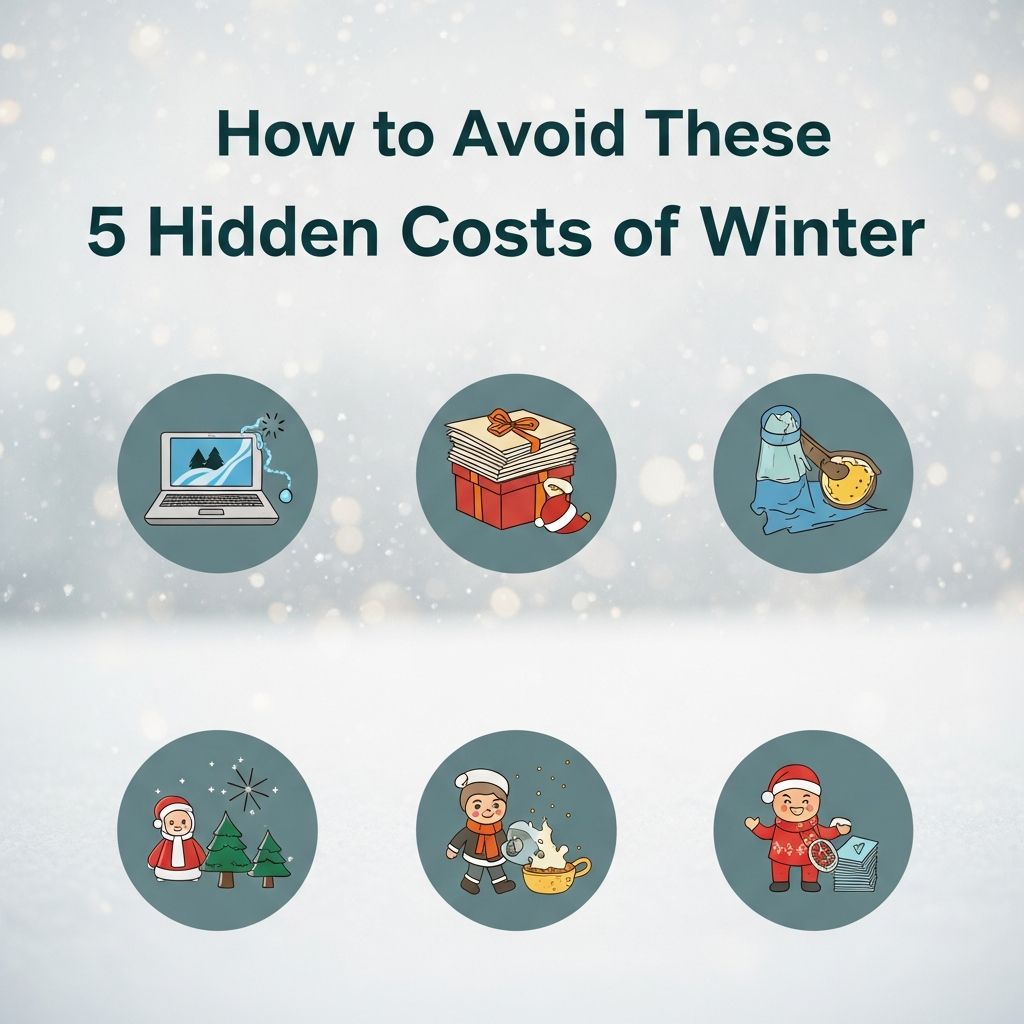
This year’s big winter storms have brought major expenses along with major snowfall. Don’t get caught out in the cold—here are five hidden costs of winter and how to avoid them.
1. Broken Heating System
Nothing strikes fear into a homeowner’s heart quite like a furnace that fails on the coldest night of the year. Emergency repair calls can cost anywhere from $500 to over $2,000, depending on the issue and your location. But a little preventive maintenance can keep your heating system humming all winter long.
Schedule Annual Maintenance: Have a professional inspect your furnace or boiler in the fall. They can clean filters, check for leaks, and ensure everything is in working order. This typically costs $75 to $200 but can prevent much larger bills later.
- Replace or clean air filters monthly during peak usage.
- Keep the area around your furnace clear of clutter to improve efficiency and safety.
- Consider a maintenance contract for priority service and discounts on repairs.
DIY Checks: Test your thermostat, listen for unusual noises, and monitor for uneven heating. If your home feels drafty, seal windows and doors with weatherstripping or plastic film kits, which cost less than $20.
Proactive steps like these not only save money but also improve energy efficiency, potentially lowering your bills by 10-15% according to energy experts.
2. High Gas Bills
Heating costs can skyrocket in winter, sometimes doubling or tripling your normal utility bills. The average U.S. household spends over $1,000 on heating from November to March, but smart habits can cut that significantly without freezing.
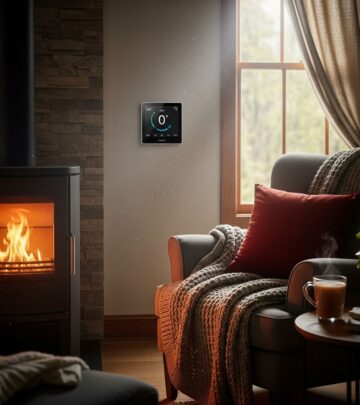
Optimize Your Thermostat: Set it to 68°F when home and awake, dropping to 64°F at night or when away. Every degree lower saves about 1-3% on heating costs. Programmable or smart thermostats ($30-$250) automate this for effortless savings.
| Thermostat Setting | Potential Monthly Savings |
|---|---|
| 68°F daytime | $20-50 |
| 62°F nighttime | $30-70 |
| Smart thermostat | $100-180/season |
Insulate and Seal: Add insulation to your attic if it’s below R-30 (cost: $1,000-$2,000, with rebates available). Use door sweeps, caulk cracks, and heavy curtains on windows. These low-cost fixes ($50-200) block drafts effectively.
- Wear layers and use blankets to stay comfortable at lower temps.
- Close off unused rooms and vents to concentrate heat where needed.
- Run ceiling fans clockwise to push warm air down.
Track your bills monthly to spot trends and adjust. Many utilities offer free energy audits to identify leaks you might miss.
3. Get a Winter Auto Tuneup
Winter driving demands more from your car—cold starts, salted roads, and snow can lead to breakdowns costing $300-$1,500. A pre-winter tuneup ($100-$300) heads off these issues.
Essential Checks:
- Battery: Cold halves battery life; test it (free at auto parts stores) and replace if over 3 years old ($100-$200).
- Tires: Ensure tread depth over 4/32 inch; switch to winter tires for 50% better traction ($400-$1,000/set).
- Antifreeze: Flush and replace to prevent engine damage ($80-$150).
- Belts, Hoses, Brakes: Inspect for cracks or wear.
- Wipers and Lights: Replace for visibility.
Keep an emergency kit: blanket, flares, shovel, sand, jumper cables, and snacks ($50). Drive slower, increase following distance, and clear snow/ice completely before starting out to avoid accidents.
Budget for higher gas use too—cold weather drops efficiency by 10-20%. Combine trips and maintain steady speeds.
4. Burst Pipes
Freezing temperatures can turn small plumbing issues into watery disasters, with repairs averaging $1,500-$5,000 for burst pipes. Prevention is straightforward and inexpensive.
Protect Exposed Pipes: Insulate with foam sleeves ($1 each) in unheated areas like basements, garages, and crawlspaces. Heat tape ($20-$50) warms pipes automatically.
- Know your shut-off valve location and test it annually.
- Let faucets drip during sub-freezing temps to keep water moving.
- Maintain 20°F+ indoor temps; use space heaters safely if needed.
Before Vacations: Shut off main water valve, drain pipes, and ask a neighbor to check. Insulate attic and crawlspace vents too.
If a pipe bursts, shut off water immediately, call a plumber, and dry the area to prevent mold. Homeowners insurance often covers this, but high deductibles apply—review your policy.
5. Leaky Roof
Snow and ice dams cause roof leaks, leading to interior damage costing $300-$7,500. Spot issues early to avoid escalation.
Inspect Regularly: Look for missing shingles, damaged flashing, or ice buildup. Clear gutters of leaves/debris to prevent overflow.
- Ice Dams: Use calcium chloride pellets or heated cables ($50-$200) on eaves.
- Attic Ventilation: Ensure proper airflow to prevent moisture buildup.
- Professional Inspection: $150-$400 annually for peace of mind.
Place buckets under leaks temporarily and tarp exterior damage. Fix promptly to avoid rot. If your roof is over 20 years old, plan for replacement before winter worsens issues.
General Winter Budgeting Tips
Beyond these specifics, build a winter emergency fund covering 3 months of variable expenses like utilities. Track spending with apps to catch rises early.
- Shop sales for winter gear in fall.
- Bundle services for discounts.
- Apply for utility assistance programs if needed.
Frequently Asked Questions (FAQs)
Q: How much can I save on heating bills with simple changes?
A: Up to 20% or $200+ per season by optimizing thermostat, sealing drafts, and insulating.
Q: Are winter tires worth the cost?
A: Yes, they reduce stopping distance by 20-50% on snow/ice, preventing costly accidents.
Q: What if I can’t afford professional maintenance?
A: Prioritize DIY steps like filter changes and insulation; many utilities offer low-income rebates.
Q: How do I know if my pipes are at risk?
A: Exposed, uninsulated pipes in cold areas; insulate and drip faucets below 28°F.
Q: Does insurance cover all winter damage?
A: Most do, minus deductibles; document everything and file promptly.
By addressing these hidden costs head-on, you’ll enjoy a warmer, drier winter without financial chills. Stay prepared and budget-smart!
References
- Energy Saver: Tips on Saving Money and Energy at Home — U.S. Department of Energy. 2024-10-15. https://www.energy.gov/energysaver/energy-saver-guide-tips-saving-money-and-energy-home
- Winter Driving Tips — National Highway Traffic Safety Administration (NHTSA). 2023-11-01. https://www.nhtsa.gov/winter-driving-tips
- Preventing Frozen Pipes — Federal Emergency Management Agency (FEMA). 2024-12-05. https://www.fema.gov/fact-sheet/preventing-frozen-pipes
- Home Heating Systems — ENERGY STAR (U.S. EPA). 2024-09-20. https://www.energystar.gov/products/heating_cooling
- Winter Weather Home Safety — Centers for Disease Control and Prevention (CDC). 2024-11-10. https://www.cdc.gov/disasters/winter/staysafe/home.html
Similar Articles








Read full bio of Sneha Tete