Avoid Tariffs: 9 Smart Ways To Save Money
Smart strategies to dodge tariff price hikes on imports and protect your household budget from rising costs.

With tariffs continuing to influence global trade, prices on imported goods—from sneakers and coffee makers to fresh produce—are climbing steadily. As the world’s largest importer, the U.S. feels these effects acutely, but you don’t have to absorb every hike. By shifting habits toward local sourcing, smart shopping, and resourceful living, you can sidestep many tariff-driven costs while building long-term savings. This guide outlines what tariffs are, current implementations, and nine actionable strategies to protect your wallet.
What Are Tariffs and How Do They Work?
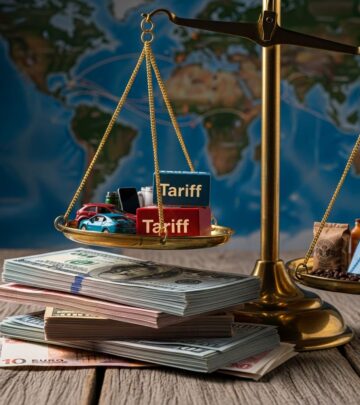
Tariffs are essentially taxes imposed by the U.S. government on goods entering from foreign countries. These duties increase the landed cost of imports, which importers often pass directly to consumers through higher retail prices. The primary goals include safeguarding domestic industries by pricing out cheaper foreign competitors and applying leverage in trade negotiations.
For instance, a 25% tariff on steel makes imported steel more expensive, nudging buyers toward U.S.-produced alternatives and protecting local jobs. However, broad tariffs can fuel inflation, raise production costs across supply chains, and even heighten recession risks, as noted by economic analyses. Unlike sales taxes paid at checkout, tariffs embed costs earlier in the supply chain, rippling through to everything from apparel to appliances.
Which Tariffs Are Currently in Place in the U.S.?
As of early 2026, several key tariffs remain active, stemming from trade policies initiated in prior administrations and adjusted over time. Section 301 tariffs target China on roughly $370 billion in goods, including electronics, machinery, and consumer products, with rates from 7.5% to 25%. Section 232 national security tariffs apply 25% duties on steel and 10% on aluminum from most countries, though some allies like Canada and Mexico have quotas instead.
Additional measures cover washing machines (20-50%), solar panels (up to 30%), and various EU goods under ongoing disputes. Automobiles face 25% tariffs on light trucks from certain origins, impacting SUVs and pickups. These evolve with trade talks—check U.S. Customs and Border Protection for updates—but they consistently elevate costs on imports comprising over 60% of some retail categories.
9 Smart Ways to Avoid Tariff-Driven Price Hikes
Not every purchase can evade tariffs, but these nine strategies offer practical buffers. Many promote sustainability and frugality, yielding benefits beyond current trade tensions.
1. Buy Local or American-Made Products
Opt for U.S.-manufactured items to bypass import duties entirely. Scan for “Made in USA” labels on clothing, tools, furniture, and appliances—categories heavy on imports. Smaller brands often advertise tariff-free status, and platforms like MadeInAmerica.co help locate them. This supports local economies and ensures quality, as domestic standards often exceed foreign ones. Start with everyday swaps: American jeans instead of imported denim or U.S.-made tools over Chinese steel sets.
2. Use Shopping Tools to Find Deals
Leverage apps and browser extensions to counter price surges. Upside offers cash back at gas stations, groceries, and eateries, offsetting fuel and food hikes. Capital One Shopping tracks price histories, alerts on drops, and applies coupons automatically. Honey and Rakuten provide similar rewards. For restocks, Amazon’s alerts notify when tariff-hit items like electronics dip. These tools can save 5-20% per purchase, compounding over time.
| Tool | Best For | Avg. Savings |
|---|---|---|
| Upside | Gas, Groceries | $40/month |
| Capital One Shopping | Online Retail | 10% off |
| Honey | Coupons & Rewards | 5-15% |
3. Shop Secondhand
Pre-owned items skirt tariffs since duties apply only at import. Thrift stores yield durable clothing and housewares at 70-90% discounts. Online, Facebook Marketplace, Craigslist, eBay, and Poshmark offer electronics, furniture, and toys cheaply. Inspect for quality—many ‘gently used’ pieces outlast new budget imports. Environmentally, this reduces landfill waste by 20-30% per item reused.
4. Cut Down on Unnecessary Spending
Adopt the 30-day rule: Pause 30 days before non-essential buys over $100. Impulse fades, revealing true needs. Track expenses via apps like Mint to spot tariff-inflated categories like apparel (up 15%) and delay gratification. This habit alone can slash discretionary spending by 25%, freeing funds for essentials.
5. Swap and Barter with Neighbors
Unused items abound—tools, toys, clothes, gadgets. Post on neighborhood Facebook groups or Nextdoor for swaps. Curb alerts signal freebies; host block swaps for appliances. Bartering builds community and saves cash: Trade a lawnmower for baby gear, zero tariffs involved.
6. Browse Local Freebie Groups
Buy Nothing groups, Freecycle, and local Facebook pages distribute free goods. Furniture, books, kitchenware flow daily. Safety first: Meet publicly, avoid sharing details. These yield hundreds in value yearly, fully tariff-free.
7. Grow Your Own Food
Fresh produce faces volatile tariffs; counter with home gardening. Container setups suit balconies: Herbs ($20 startup, $200/year savings), lettuce, tomatoes. Regrow from scraps—onions, celery. Libraries offer seed libraries; extension offices provide free guides. Community gardens let volunteers harvest shares, cutting grocery bills 10-30%.
- Start small: Basil, peppers in pots.
- Soil tip: Compost kitchen waste.
- Harvest: 4-6 weeks for greens.
8. Delay Big Purchases When Possible
Major tariff targets like appliances, electronics, cars inflate now but may ease post-negotiation. Wait 3-6 months; scour secondhand meanwhile. For autos, pre-tariff lot inventory avoids hikes—buy existing stock.
9. Stock Up Strategically on Essentials
For non-perishables like toiletries or pantry staples, buy in bulk during sales before hikes. Warehouse clubs like Costco offer tariff-light U.S. goods. Rotate stock to avoid waste; this hedges 10-20% increases.
Final Thoughts: Frugal Living in a Tariff Economy
Tariffs challenge budgets, but proactive shifts—local buying, reuse, self-sufficiency—mitigate impacts. These align with frugal principles: Spend intentionally, leverage community, save astutely. Monitor trade news via USTR.gov; adapt as policies shift. Thriving amid complexity demands vigilance and creativity—your wallet will thank you.
Frequently Asked Questions (FAQs)
What products are most affected by tariffs?
Electronics, apparel, steel/aluminum goods, autos, and produce from China, EU, others see highest duties.
Are there exemptions for certain buyers?
Businesses can apply for exclusions via USTR; consumers benefit indirectly via strategies here.
How much have prices risen due to tariffs?
Avg. 10-25% on targeted imports, per economic reports.
Will tariffs end soon?
Dependent on negotiations; some persist indefinitely for security.
Can I grow food year-round indoors?
Yes, with grow lights for herbs, microgreens—low-cost setups yield steady supply.
References
- Harmonized Tariff Schedule of the United States — U.S. International Trade Commission. 2025-12-31. https://hts.usitc.gov/
- U.S. Import Duties and Tariffs — U.S. Customs and Border Protection. 2026-01-10. https://www.cbp.gov/trade/basic-import-export
- Section 301 Tariffs on China — Office of the United States Trade Representative. 2025-09-15. https://ustr.gov/issue-areas/enforcement/section-301-investigations
- Steel Import Tariffs and Monitoring — U.S. Department of Commerce. 2025-11-20. https://www.commerce.gov/issues/trade-enforcement/steel-aluminum-tariffs
- Impact of Tariffs on U.S. Consumers — Federal Reserve Bank of New York. 2025-06-01. https://www.newyorkfed.org/research/staff_reports/sr1081.html
Similar Articles








Read full bio of medha deb