How to Avoid Moving Scams: Complete Guide
Protect yourself from moving scams with expert tips and strategies to identify fraudulent movers.
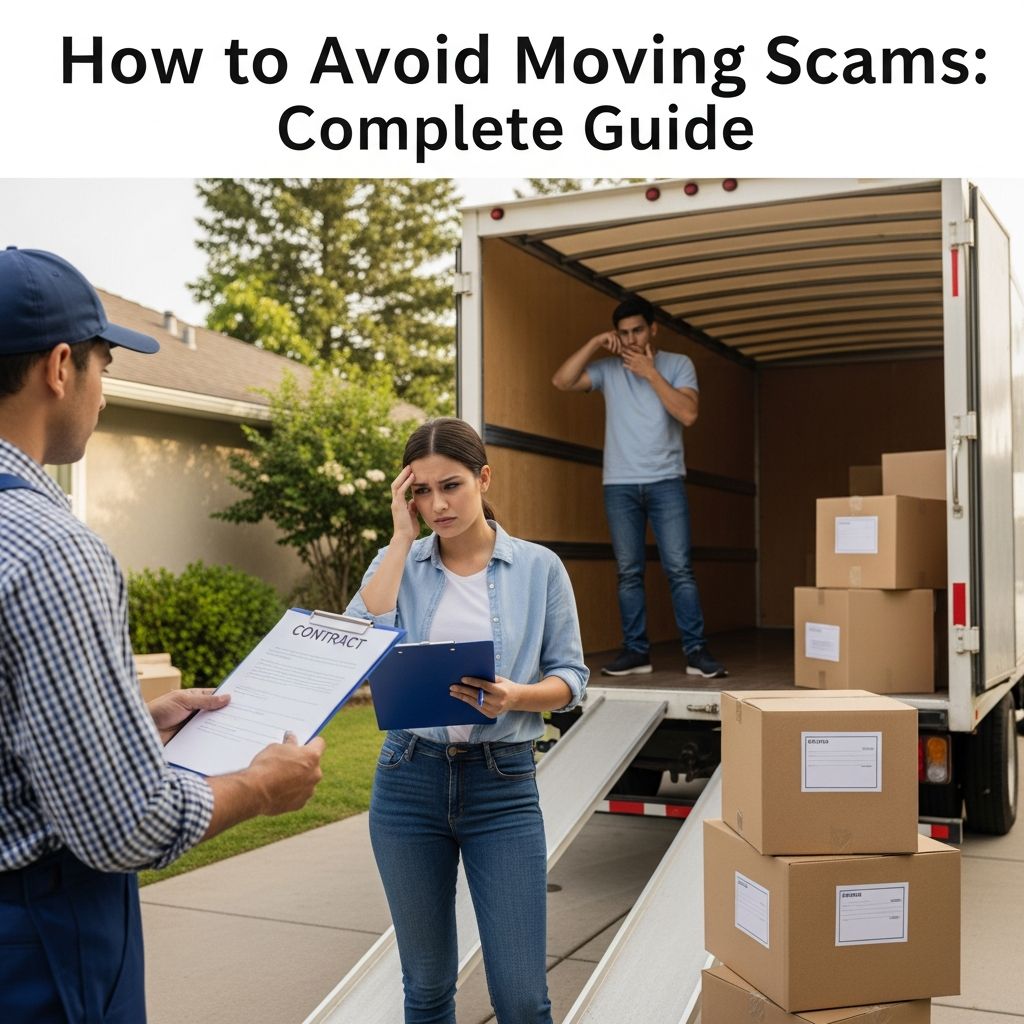
How to Avoid Moving Scams: A Comprehensive Guide
Moving can be stressful enough without the added worry of falling victim to unscrupulous moving companies. What sucks worse than moving? Getting scammed by your movers. Every year, thousands of consumers lose substantial amounts of money to moving scams, and many experience the additional trauma of having their belongings held hostage or damaged by fraudulent moving companies. Understanding how these scams operate and knowing the warning signs can help you protect yourself and your possessions during one of life’s most significant transitions.
Understanding Moving Scams
Moving scams have become increasingly sophisticated and prevalent. According to reports from consumer protection agencies and the Better Business Bureau, moving fraud ranges from bait-and-switch tactics to outright hostage situations where companies hold belongings until additional fees are paid. One documented case involved a family that contracted with a moving company for approximately $16,000, only to have the quoted price suddenly jump to $28,000 after their belongings were loaded, with threats to auction off their possessions if the inflated balance wasn’t paid.
The anatomy of a moving scam typically involves several key tactics designed to extract maximum money from unsuspecting consumers. Scammers use low initial quotes to attract customers, then dramatically increase prices once the moving truck is loaded with your belongings. At this point, customers feel trapped because their possessions are essentially held hostage until the additional fees are paid.
Red Flags of Fraudulent Moving Companies
Recognizing warning signs before hiring a moving company is your first line of defense. Be vigilant about the following indicators:
- Unusually Low Quotes: If a moving company provides an estimate that seems significantly lower than competitors, it’s likely a bait-and-switch tactic. Legitimate movers typically provide estimates within a reasonable range of each other.
- No Phone Contact: Scammers often refuse to discuss your move over the phone or provide a direct contact number. They prefer email or text communication to avoid accountability and maintain anonymity.
- Lack of Verifiable Information: Legitimate moving companies have established business addresses, phone numbers, licensing information, and online reviews from verified customers.
- Requests for Large Upfront Payments: While some deposit is normal, be cautious of companies demanding full payment before the move or large percentages of the total cost in advance.
- No Written Estimate: Reputable movers provide detailed written estimates after assessing your belongings. Verbal estimates should always be followed up with written documentation.
- Pressure to Decide Quickly: Scammers create urgency to prevent you from comparing quotes or doing thorough research on their background.
- Non-Standard Pricing Models: Be suspicious of companies using uncommon payment methods, wire transfers, or cryptocurrency, as these are difficult to reverse if fraud occurs.
Verification Steps Before Hiring a Moving Company
Taking time to properly vet a moving company before signing any contract is essential. Here are the critical verification steps you should follow:
Check Business Credentials
Every legitimate moving company should be registered with the Federal Motor Carrier Safety Administration (FMCSA) and have a valid U.S. Department of Transportation (DOT) number. You can verify this information online through official government databases. Interstate movers must have proper licensing, and intrastate movers should be registered with your state’s regulatory agency.
Consult the Better Business Bureau
Visit the Better Business Bureau (BBB) website and search for the moving company. Review their rating, complaint history, and how the company has responded to previous complaints. A company with numerous unresolved complaints or a pattern of similar issues is a major red flag. Pay particular attention to complaints involving price increases, held belongings, or damage.
Obtain Multiple Estimates
Get at least three to five written estimates from different moving companies. This practice serves two important purposes: it helps you understand the market rate for your move, and it allows you to identify outliers. If one quote is significantly lower than others, it’s likely a bait-and-switch situation. Conversely, if one quote is substantially higher, ask detailed questions about what’s included to understand the difference.
Request In-Home Assessments
Legitimate moving companies typically offer in-home assessments where a representative visits your residence to evaluate the volume of belongings and any special requirements. This assessment allows them to provide accurate estimates. Companies that provide quotes without viewing your items are less likely to be trustworthy.
Verify References and Reviews
Ask the moving company for references from recent customers and follow up with them. Additionally, research online reviews on multiple platforms, including Google, Yelp, and the BBB website. Look for patterns in the feedback—isolated complaints are normal for any service, but repeated issues suggest systemic problems.
Understanding Moving Company Regulations
Being familiar with how moving companies are regulated helps you identify legitimate operators. Interstate moves are regulated by the Federal Motor Carrier Safety Administration (FMCSA), which requires companies to provide binding or non-binding estimates and prohibits price increases beyond what’s agreed upon in binding estimates. Intrastate moves have different regulations depending on your state, and you should contact your state’s moving regulatory agency for specific rules.
The Department of Transportation is actively working on improved registration systems to combat fraud and make it easier to identify companies that attempt to reopen under new names after being shut down for fraudulent practices. This is an important development because scammers often operate briefly under one company name, then disappear and reemerge under a different name to avoid their negative history.
Common Moving Scam Tactics
Understanding specific scam strategies can help you recognize and avoid them:
The Bait-and-Switch Estimate
A company provides a low initial estimate to secure your business, then dramatically increases the price once your belongings are loaded onto the truck. At this point, you feel compelled to pay because your possessions are in their possession. Protect yourself by obtaining binding estimates and clarifying in writing what is included in the final price.
The Hostage Situation
The company holds your belongings hostage and demands payment significantly higher than the original contract. They may threaten to auction your possessions if you don’t pay the inflated fees. This is illegal, but it exploits the fact that consumers feel desperate to recover their items.
Damage and Theft
Some fraudulent movers damage or intentionally steal valuable items during the move. They may charge exorbitant rates or refuse to compensate you fairly for losses. Always document your belongings before the move with photographs or video, and obtain comprehensive moving insurance.
Deceptive Low-Ball Estimates
Scammers provide impossibly low estimates knowing they’ll use various justifications to increase the price later. Common excuses include unexpected complications, additional services discovered during packing, or fuel surcharges.
Protecting Your Belongings During a Move
Beyond selecting a legitimate moving company, take additional steps to protect your possessions:
- Document Everything: Take photographs or video of all items before packing. This documentation is crucial if you need to file claims for damage or theft.
- Create an Inventory: Maintain a detailed list of everything being moved, including descriptions and estimated values.
- Obtain Moving Insurance: Understand your moving company’s liability coverage and consider purchasing additional valuation coverage for high-value items.
- Pack Valuables Yourself: Transport irreplaceable items, important documents, jewelry, and other valuables in your own vehicle rather than entrusting them to the movers.
- Be Present During Loading and Unloading: Whenever possible, supervise the loading and unloading process to ensure items are handled properly.
- Inspect Upon Delivery: Carefully examine items as they’re unloaded and note any damage immediately. Document damage with photographs before the movers leave.
What to Do If You Suspect a Scam
If you encounter suspicious behavior or believe you’ve been targeted by a moving scam, take immediate action:
- Stop all communication and do not send any additional money.
- Document all interactions, including emails, text messages, and recorded calls.
- Report the company to the BBB, FTC, and your state’s attorney general’s office.
- File a complaint with the FMCSA if it’s an interstate mover.
- Contact local law enforcement and file a police report.
- Review your credit card or bank statement and consider disputing any unauthorized charges.
- Contact your state’s consumer protection agency for guidance on next steps.
Financial Safeguards When Paying for a Move
How you pay for your move impacts your ability to recover money if fraud occurs. Use credit cards rather than cash, checks, or wire transfers when possible, as credit card companies offer dispute resolution protections. Avoid wire transfers and cryptocurrency, which provide almost no recourse if the transaction is fraudulent. Never pay the full amount upfront; instead, make an initial deposit (typically 20-30% for legitimate movers) and pay the balance upon completion of the move.
The Role of Moving Insurance
Moving insurance is an essential component of protecting your belongings. Standard moving company liability (released value) provides minimal coverage, typically around 60 cents per pound per item. This means a damaged television or laptop might only be worth the weight of plastic and metal. Full-value moving insurance ensures you’re compensated for the actual replacement cost of damaged or lost items. Review insurance options carefully and choose coverage that adequately protects your belongings.
Frequently Asked Questions
Q: How can I verify if a moving company is legitimate?
A: Check the FMCSA database for their DOT number, verify their BBB rating and complaint history, obtain multiple written estimates, request references, and read online reviews from verified customers.
Q: What should I do if a moving company holds my belongings hostage?
A: Document the situation immediately, refuse to pay inflated fees, and report the company to law enforcement, your state’s attorney general, and the FTC. Contact your credit card company to dispute any unauthorized charges.
Q: Is it normal for moving companies to ask for a large upfront deposit?
A: While legitimate movers may ask for a deposit (typically 20-30%), they should not demand full payment before the move. Be cautious of companies asking for unusually large upfront payments or full prepayment.
Q: How many moving quotes should I get before choosing a company?
A: Get at least three to five written estimates. This practice helps you identify market rates and spot potential bait-and-switch tactics where one quote is significantly lower than others.
Q: What type of moving insurance should I purchase?
A: Choose full-value moving insurance rather than basic liability coverage. This ensures you’re compensated for the actual replacement cost of items that are damaged or lost during the move.
Q: Can I dispute charges with my credit card company if a moving company overcharges me?
A: Yes. If you used a credit card, you can file a dispute with your credit card company within the designated timeframe (usually 60 days). This is one reason credit cards are safer than cash, checks, or wire transfers for paying movers.
Q: What should I do if I discover damage to my belongings after the move?
A: Document the damage with photographs, file a claim with the moving company within the required timeframe (usually 30 days for visible damage), and keep all receipts for repair or replacement costs. If the company denies your claim, you can pursue legal action or file a complaint with regulatory agencies.
Conclusion: Moving Forward Safely
Avoiding moving scams requires vigilance, research, and careful decision-making. By thoroughly vetting moving companies, obtaining multiple estimates, verifying credentials, and understanding your rights as a consumer, you can significantly reduce your risk of becoming a victim. Remember that legitimate movers are happy to provide documentation, answer questions, and allow you to verify their background. If something feels off about a moving company—whether it’s their refusal to provide certain information, pressure to decide quickly, or quotes that seem too good to be true—trust your instincts and move on to another option. Taking time to find a reputable moving company is an investment in protecting your belongings and your peace of mind during a significant life transition.
References
- Woman says moving company held family’s belongings hostage — CBS Philadelphia. 2025-06-11. https://www.cbsnews.com/philadelphia/news/moving-company-held-family-belongings-hostage/
- Moving Scams on the Rise — Better Business Bureau Chicago and Northern Illinois. 2024. https://www.bbb.org/
- Federal Motor Carrier Safety Administration Database — U.S. Department of Transportation. 2025. https://safer.fmcsa.dot.gov/
- Consumer Protection Guide: Moving Company Regulations — Federal Trade Commission. 2024. https://www.ftc.gov/
- Eight Vile Craigslist Scams to Watch Out For — Wise Bread. https://www.wisebread.com/8-vile-craigslist-scams-to-watch-out-for
Similar Articles








Read full bio of medha deb