How To Avoid Getting Fleeced At Hotels: 7 Expert Tips
Master hotel negotiation and avoid hidden fees with insider strategies for savvy travelers.
How to Avoid Getting Fleeced at Hotels
The days of booking a hotel room at a quoted rate and paying exactly that amount are long gone. The hospitality industry has adopted pricing strategies reminiscent of airline practices, layering additional charges and obscure fees onto what should be straightforward transactions. Understanding these tactics and knowing how to navigate them can help you save significantly on your travels while avoiding unwelcome surprises at checkout.
Understanding the Hidden Fee Landscape
Hotels have become increasingly creative in generating revenue beyond the base room rate. From resort fees to parking charges, safe deposits to early departure penalties, travelers today face a bewildering array of potential costs that aren’t always clearly disclosed upfront. These fees can easily add $50 or more to your nightly rate, transforming what seemed like an affordable stay into an expensive ordeal.
The opacity of hotel pricing structures means that savvy travelers must do their homework and ask critical questions before committing to a reservation. Knowledge is power in this arena, and understanding where fees typically hide allows you to make informed decisions and negotiate more effectively.
The Resort Fee Trap
Resort fees represent one of the most common hidden charges encountered at hotels. These fees, often ranging from $15 to $45 per night, are frequently presented as mandatory charges for amenities you may never use. Whether labeled as facility fees, amenity charges, or convenience fees, they operate on the assumption that you’ll take advantage of included perks like gym access, pool facilities, or internet service.
The strategy for avoiding resort fee charges is straightforward but requires proactive communication. Upon arrival at your hotel, contact the manager directly and explain that your priority is lodging only. If you have no intention of using the included amenities, politely but firmly request that the fee be waived. Many hotels will accommodate this request, particularly if you approach them respectfully and explain your position clearly. The key is to address this before you check in, not during checkout when you have less leverage.
Early Departure and Cancellation Penalties
Hotel cancellation policies have become progressively stricter over recent years. What once allowed same-day cancellation by 6:00 p.m. now frequently requires 48 hours’ notice to avoid being charged for your entire stay. Similarly, guests who need to check out early can face penalties ranging from $50 to the full price of an additional night’s lodging.
To protect yourself against these charges, carefully review the cancellation policy before completing your reservation. If there’s even a possibility your itinerary might change, examine the terms closely and consider whether the booking makes sense for your situation. Some hotels may offer more flexible cancellation options at slightly higher rates—a trade-off worth considering if your plans are uncertain.
The Questionable Safe Deposit Fee
Perhaps the most audacious hidden charge is the safe deposit fee. Hotels charge guests for the privilege of storing their valuables in an in-room safe—regardless of whether the safe is actually used. This fee structure essentially penalizes guests simply for an object’s presence in the room. It’s comparable to being charged for a shower cap, television, or coffee maker whether you use them or not.
Addressing the safe fee requires immediate action upon check-in. Scout your room quickly for a safe. If you locate one and have no intention of using it, call the front desk immediately. Politely inform them that you won’t be needing the safe and request that they remove the charge from your bill. Crucially, verify that they’ve actually removed the fee when you review your itemized bill at checkout. Don’t assume it was handled—many guests have discovered the charge remained despite their request.
Parking and Internet Charges
Parking fees have become ubiquitous at urban and resort hotels, with charges sometimes exceeding $25 per night. Internet access, once a standard amenity, is increasingly commodified as a separate line item. These charges may seem minor individually but accumulate quickly during extended stays.
When booking, specifically inquire whether parking and internet are included in your quoted rate or charged separately. Some hotels bundle these services, while others charge for each individually. Factor these costs into your total accommodation expense when comparing options. If you’re planning an extended stay, negotiate these services into your rate rather than accepting them as separate charges.
Negotiation Strategies for Better Rates
The most effective approach to avoiding excessive hotel charges begins before you ever arrive at the property. Strategic negotiation can significantly reduce your overall costs and sometimes eliminate charges entirely.
Ask for the Lowest Rate
When contacting hotels, don’t simply ask for the lowest available rate. Instead, ask for the very lowest rate the hotel will offer. This distinction matters because it signals that you’re a price-conscious customer willing to walk away if the terms aren’t favorable. Hotels understand that losing a potential customer is worse than accepting a slightly lower margin.
Target Independently Owned Hotels
Independently owned hotels typically offer greater flexibility in pricing negotiations than national chains. These properties often have more autonomy in setting rates and waiving fees. Property managers at independent hotels can often make decisions on the spot without approval from corporate headquarters, making them more willing to negotiate.
Understand the Walk-Away Rate
Hotels maintain a walk-away or walk-out rate—the absolute minimum price they’ll accept to prevent losing a customer to a competitor. This lowest threshold represents what they’ll charge rather than have you leave empty-handed. Some bold negotiators directly ask the manager, “What’s your walk-away price?” While this approach works better during slower periods, it can yield surprisingly good results even during moderately busy times.
Negotiating is most challenging during peak travel seasons, holidays, and early in the day before the hotel has a clear picture of its occupancy rates. Late afternoon check-ins, conversely, offer better negotiating opportunities because the hotel knows exactly how many rooms will remain empty.
Use Price Comparison as Leverage
Before arriving at a destination, call several hotels and obtain their quoted rates. Use these prices against each other to drive negotiations. When speaking with a hotel manager, you can reference a competitor’s quote and ask whether the property can match or beat that price. This approach works particularly well during off-season travel when hotels are eager to fill rooms.
Maximizing Free Upgrades
One legitimate way to increase the value of your hotel stay without paying additional charges is securing a free room upgrade. This strategy is most effective when you check in later in the day, after the hotel has confirmed its occupancy levels and knows which premium rooms will remain vacant.
Simply ask the front desk staff whether any complimentary upgrades are available. The worst response you’ll receive is a polite “no.” At best, you’ll find yourself relaxing in a suite with premium amenities at no additional cost. Hotels benefit from offering these upgrades because a guest who receives a free upgrade becomes an enthusiastic advocate for the property, generating positive word-of-mouth and online reviews.
Larger suites are typically pre-booked in advance, so if premium accommodations are available, they’re usually available only because they weren’t reserved. From the hotel’s perspective, offering a complimentary upgrade costs them nothing while significantly enhancing the guest experience.
Contacting Management Directly
When you need to address specific concerns—whether regarding fees, upgrades, or special accommodations—bypass the national company switchboard and contact the local property manager directly. Local managers often have significantly more authority to make decisions and offer concessions than corporate representatives. They can waive or reduce fees, offer rate adjustments, and authorize upgrades without requiring approval from headquarters.
If you’re returning a rental car late or checking out early, speaking directly with the local manager puts you in a much stronger negotiating position than calling a central reservations line. Build a relationship with the property, explain your situation respectfully, and local managers frequently demonstrate willingness to work with you.
Reviewing Your Bill Before Checkout
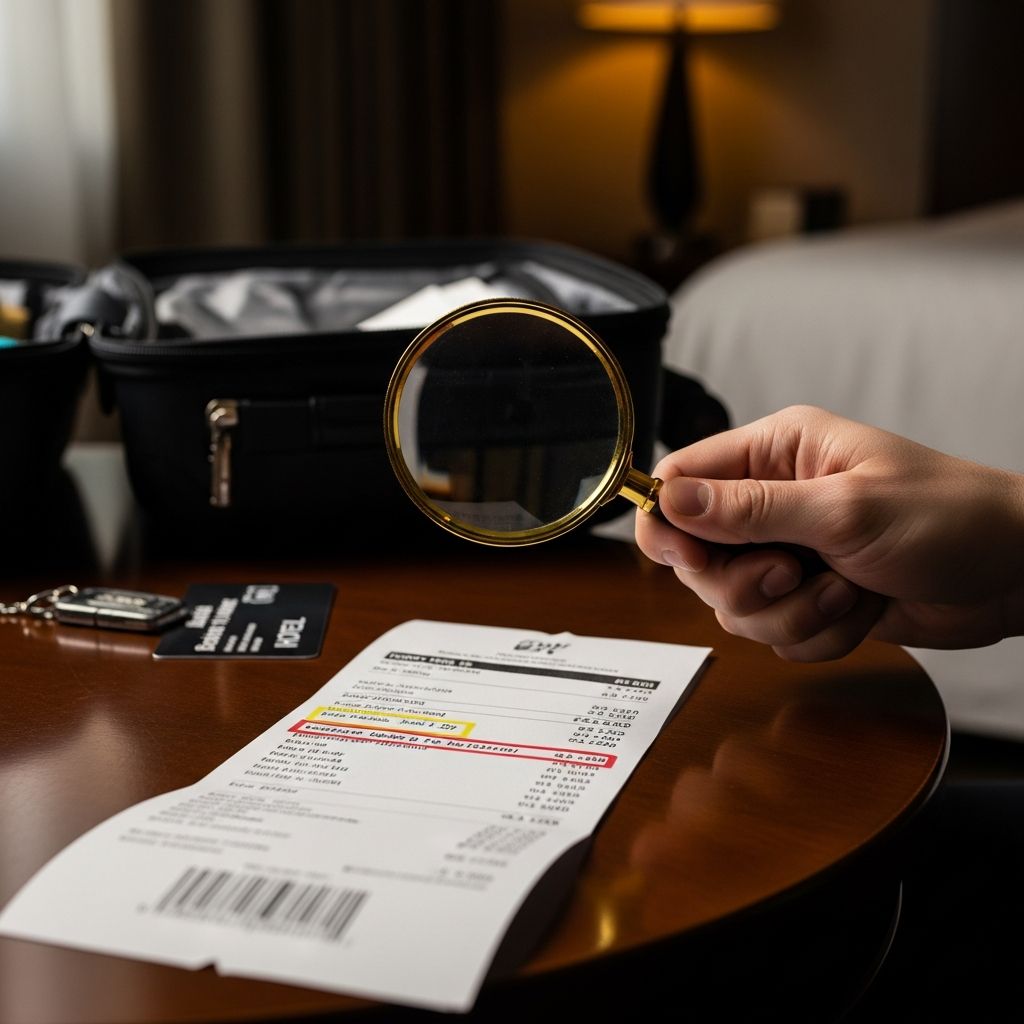
Perhaps the most critical step in avoiding overcharges is carefully reviewing your itemized bill before leaving the hotel. Request a detailed statement that breaks down all charges, and examine it thoroughly for any fees you didn’t authorize or expect. If you see questionable charges, address them immediately with the front desk rather than disputing them later with your credit card company.
This is your moment to verify that any fees you requested be removed (such as the safe fee or resort fee) have actually been eliminated from your bill. Don’t accept a manager’s verbal assurance—see it in writing on your final bill.
Leveraging Online Reviews and Feedback
When hotels overcharge you or employ deceptive practices, sharing your experience through online reviews helps alert other travelers to these practices. Hotels care deeply about their online reputation and customer ratings. Honest reviews detailing unexpected fees and unclear pricing practices create accountability and encourage properties to be more transparent with future guests.
Additionally, if you feel misled or significantly overcharged, constructively complain to hotel management and request compensation. Many hotels will offer concessions—such as future stay credits or partial refunds—to resolve disputes, particularly if you approach the conversation professionally and reasonably.
Key Takeaways for Savvy Travelers
- Research before booking — Understand a hotel’s cancellation policy, fee structure, and rate flexibility before confirming your reservation
- Ask proactive questions — Inquire about resort fees, parking charges, internet costs, and other potential add-ons during the booking process
- Negotiate aggressively — Request the very lowest rate, ask about walk-away pricing, and use competitor quotes as leverage
- Address fees upon arrival — If you discover charges you don’t intend to use (like safe fees or resort amenities), contact the manager immediately
- Request upgrades late — Check in late and politely ask about complimentary upgrades when the hotel knows its final occupancy
- Review your final bill — Before leaving the property, scrutinize your itemized statement for any unexpected or unauthorized charges
- Escalate appropriately — For significant issues, contact local property management rather than corporate offices for faster resolution
Frequently Asked Questions
Q: Can I actually get resort fees waived?
A: Yes, many hotels will waive resort fees if you politely explain that you won’t be using the amenities. Request this upon check-in before the fee is finalized on your bill. Success rates vary by property and season, but asking costs nothing and often succeeds.
Q: Is it rude to ask for a lower rate?
A: Not at all. Negotiating hotel rates is standard practice in the hospitality industry. Hotels expect it and have systems in place to accommodate rate discussions. The key is approaching the conversation professionally and respectfully.
Q: What time should I check in to maximize upgrade chances?
A: Check in late afternoon or early evening, after the hotel has confirmed its final occupancy. This timing gives the front desk clear visibility into which premium rooms will remain empty, making them more likely to offer complimentary upgrades.
Q: Should I book directly with the hotel or through third-party sites?
A: Booking directly with the hotel gives you more leverage for negotiation and often provides flexibility in rate discussions. Third-party booking sites may offer lower advertised rates but typically include less flexibility for special requests or fee negotiations.
Q: How can I dispute a charge if I don’t notice it until after checkout?
A: Contact the hotel directly and speak with the manager, explaining the unexpected charge. If the property won’t resolve it, you can dispute the charge with your credit card company. Document all communications and keep copies of your itemized bill for reference.
References
- How to Avoid Getting Fleeced at Hotels — Wise Bread. https://www.wisebread.com/how-to-avoid-getting-fleeced-at-hotels
- Negotiate All Your Travel: The Ultimate Guide — Wise Bread. https://www.wisebread.com/negotiate-all-your-travel-the-ultimate-guide
- Is Your Hotel Hiding These 5 Fees in Your Bill? — Wise Bread. https://www.wisebread.com/is-your-hotel-hiding-these-5-fees-in-your-bill
- 25 Hotel Hacks From Professional Travelers — Wise Bread. https://www.wisebread.com/25-hotel-hacks-from-professional-travelers
Similar Articles








Read full bio of medha deb