How to Avoid an Emotional Spending Binge
Master your emotions and finances with a six-step program to prevent impulsive spending.

How to Avoid an Emotional Spending Binge: A Six-Step Program
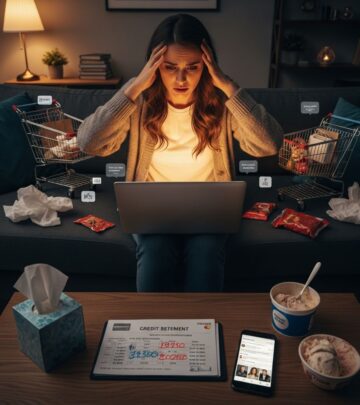
The connection between our emotions and spending habits runs deeper than most people realize. When stress, sadness, or anxiety strikes, the temptation to make a purchase can feel overwhelming. Many of us reach for our wallets as a way to soothe negative feelings, only to later regret the expense and feel compounded guilt. Understanding and controlling emotional spending is crucial for both your financial health and mental well-being.
Emotional spending occurs when we make purchases in response to heightened emotions rather than genuine needs. Unlike planned purchases, these impulsive buys often leave us feeling worse afterward, creating a cycle of temporary relief followed by financial stress and buyer’s remorse. The good news is that with awareness and practical strategies, you can interrupt this pattern and take control of your spending habits.
Understanding Emotional Spending and Its Impact
Emotional spending is far more common than many people admit. Research shows that negative emotions significantly influence purchasing behavior—people have been shown to be willing to pay up to 30% more for products when feeling sad. This isn’t a matter of willpower or financial literacy; it’s a psychological response to emotional distress.
The relationship between money and mental health is bidirectional. While spending temporarily soothes anxiety and depression, it simultaneously contributes to feelings of guilt, shame, and anxiety about finances. This creates a vicious cycle: you spend to feel better, then feel worse about the spending, which triggers more emotional spending to cope with the new negative emotions.
Step 1: Identify Your Personal Spending Triggers
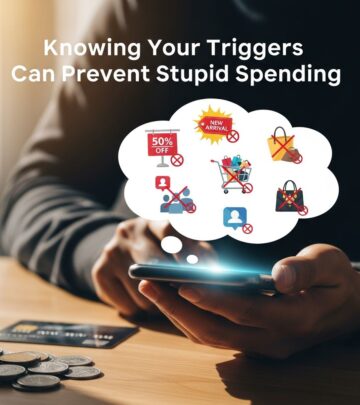
The foundation of addressing emotional spending is awareness. You cannot change patterns you don’t recognize. Begin by becoming conscious of when and why you’re most likely to make unnecessary purchases.
Common emotional spending triggers include:
- Stress from work or personal relationships
- Social media exposure showing others’ purchases or lifestyles
- Breakups or relationship difficulties
- Feelings of inadequacy or comparison
- Boredom or lack of engagement
- Difficult life transitions or uncertainty
- Advertisement exposure, particularly on social platforms
Start paying attention to the moments when you’re tempted to click “add to cart” or walk into a store. What emotion are you experiencing? What triggered it? Did you see an advertisement, receive a notification, or experience a personal setback? Understanding your individual pattern is essential because emotional spending triggers vary significantly from person to person.
Step 2: Document Your Spending Patterns
Once you’ve identified potential triggers, create a system to track emotional purchases. This doesn’t need to be complicated—simplicity increases the likelihood that you’ll actually maintain the habit.
When you make an impulsive purchase, add a note to the transaction that includes an emoji representing your mood and a brief explanation of why you felt compelled to buy. For example, you might add a sad emoji and note “Feeling lonely after friend canceled plans” or an anxious emoji with “Stressed about work deadline.”
By the end of the month, you’ll have a clear pattern of emotional spending incidents. Review this information with curiosity rather than judgment. Look for patterns: Do you spend more on certain days of the week? During specific emotional states? In response to particular situations? This data becomes invaluable for developing targeted solutions.
Step 3: Examine Your Current Budget
A solid budget serves as the foundation for preventing emotional spending. However, many people approach budgeting as a restrictive tool rather than an empowering one. The goal isn’t to deprive yourself but to align your spending with your values and financial capacity.
Review your current budget and ensure it reflects your actual priorities. Common budgeting approaches include:
- The 50/30/20 rule: 50% for needs, 30% for wants, 20% for savings
- Zero-based budgeting: allocating every dollar to a specific category
- The two-account system: separating essential and discretionary spending
- Budgeting apps that provide real-time tracking and alerts
Select the approach that resonates with your lifestyle and financial situation. The best budget is one you’ll actually follow. More importantly, before making any purchase, check your available funds in that category. If you’ve already spent your entertainment budget for the month, a purchase in that category must wait or replace something else.
Step 4: Implement Practical Safeguards
Knowledge alone doesn’t prevent emotional spending; you need structural barriers that make impulsive purchases more difficult. These safeguards work by creating friction between impulse and action.
Physical Barriers:
- Remove credit cards from your wallet and use cash for discretionary spending
- Delete saved payment information from online shopping platforms
- Remove shopping apps from your phone
- Unsubscribe from marketing emails and push notifications
- Unfollow or mute retail accounts on social media
Temporal Strategies:
- Implement a 24-hour waiting period before making non-essential purchases
- Set predetermined days for allowing yourself discretionary purchases (for example, only on Tuesdays and Saturdays)
- Close browser tabs with tempting items and step away from the purchase screen
Account Management:
- Give your savings accounts meaningful names like “Home Down Payment” or “Vacation Fund” to create psychological barriers to accessing them for impulse buys
- Use separate accounts for different purposes to compartmentalize spending
Step 5: Develop Healthy Emotional Coping Mechanisms
The core issue driving emotional spending is using purchases to regulate uncomfortable feelings. To successfully break this pattern, you need alternative coping strategies that are healthier and more sustainable.
When you feel the urge to spend emotionally, try these alternatives:
- Take a 20-minute walk or engage in physical exercise
- Call or text a friend for support and connection
- Practice a five-minute mindfulness meditation or breathing exercise
- Journal about your feelings without judgment
- Engage in a hobby or creative activity you enjoy
- Practice gratitude by writing down things you appreciate
- Take a warm bath or shower
- Listen to music that uplifts or soothes your mood
These alternatives address the underlying need—emotional regulation—without creating financial consequences. They may feel less immediately satisfying than a purchase, but their effects last longer and don’t produce guilt or financial stress afterward.
Step 6: Create a Celebration Fund for Intentional Spending
An important aspect of sustainable financial behavior is recognizing that complete restriction is neither realistic nor healthy. You should be able to spend money on yourself and enjoy nice things without guilt. The key difference is intentionality.
Create a specific budget category—whether you call it a “Celebration Fund,” “Indulgence Fund,” or “Fun Money”—where you allocate money specifically for rewarding yourself and making purchases that bring you joy. This money is budgeted and planned, so when you spend it, you’re not creating financial stress.
By having this dedicated fund, you:
- Acknowledge that enjoying yourself is legitimate and healthy
- Prevent the “deprivation” mindset that often triggers binge spending
- Make intentional choices about how you use your discretionary funds
- Reduce the emotional charge around spending money on yourself
When you make a purchase from this fund, you’re supporting your well-being rather than escaping negative emotions. The psychological difference is significant.
The Power of Awareness and Long-Term Benefits
As you implement these six steps, you’ll notice that awareness itself becomes transformative. When you recognize the connection between your moods and your spending, you gain power over the pattern. You begin catching yourself before making impulsive purchases. You start questioning whether you truly want something or if you’re seeking emotional comfort.
The long-term benefits of addressing emotional spending extend far beyond your bank account:
- Increased savings: Money that was previously spent impulsively now accumulates toward meaningful goals
- Reduced clutter: Your home contains fewer items purchased in emotional states and later regretted
- Lower financial stress: You’re not dealing with debt and expense surprises from impulse purchases
- Greater financial freedom: You have funds available for planned purchases and opportunities that matter
- Improved mental health: You’ve addressed the underlying emotional issues rather than masking them temporarily
- Eliminated buyer’s remorse: Your purchases are intentional and aligned with your values
- Enhanced self-awareness: You understand yourself better and can respond to emotions more effectively
Moving Forward: Making This Program Sustainable
The six-step program works best when implemented gradually. You don’t need to overhaul your entire financial life overnight. Start by identifying your triggers, then add one or two safeguards. As these become habitual, layer in additional strategies.
Remember that this is a process, not perfection. You may still make emotional purchases occasionally—and that’s okay. What matters is that you’re becoming more aware and making intentional choices more often. Each time you pause instead of purchasing, each time you choose a healthier coping mechanism, and each time you check your budget before spending, you’re building new neural pathways and habits.
Consider working with a financial therapist if emotional spending is significantly impacting your financial health or if you suspect deeper emotional issues are at play. These professionals combine financial expertise with psychological training to help you address root causes.
Frequently Asked Questions
Q: How long does it take to break the emotional spending habit?
A: Building new habits typically takes 30 to 90 days of consistent practice. However, awareness often creates change more quickly. Most people notice improvements in their spending patterns within the first month of implementing these strategies, though establishing deep, lasting change takes longer.
Q: What if I can’t afford to create a celebration fund right now?
A: Start small. Even $10 or $20 per month allocated to a celebration fund can make a psychological difference. As your financial situation improves and emotional spending decreases, you can increase this amount. The principle matters more than the amount.
Q: Is it okay to use shopping as a stress relief occasionally?
A: Occasional purchases within your budget are fine, but relying on shopping as your primary stress management tool will undermine your financial goals and mental health. Develop a diverse toolkit of coping strategies so you have healthier options available when emotions run high.
Q: How do I handle social pressure to spend when friends are shopping?
A: Be honest with yourself about your triggers. If shopping with friends triggers emotional spending, suggest alternative activities. When you must shop with others, bring only cash for budgeted amounts and have a predetermined list. You can also physically stay away from items that tempt you.
Q: What should I do if I make an emotional purchase despite these strategies?
A: Don’t shame yourself. Instead, review the transaction to understand what triggered it and adjust your strategy accordingly. Did a particular type of emotion catch you off guard? Would an additional safeguard help? Learning from setbacks is more valuable than beating yourself up about them.
References
- How to Avoid Emotional Spending — You Need A Budget (YNAB). 2025. https://www.ynab.com/blog/try-this-simple-trick-to-get-a-grip-on-emotional-spending
- What Is Emotional Spending? — Experian. 2025. https://www.experian.com/blogs/ask-experian/what-is-emotional-spending/
- Binge Eating as Escape from Self-Awareness — PubMed Central, National Center for Biotechnology Information. 1992. https://pubmed.ncbi.nlm.nih.gov/1891520/
- The Link Between Emotions and Financial Behavior — National Eating Disorders Association (NEDA). 2025. https://www.nationaleatingdisorders.org
Similar Articles








Read full bio of medha deb