How To Avoid And Recover From A Shopping Binge
Learn why shopping binges happen, how to prevent them, and proven steps to repair your budget and mindset after overspending.

A shopping binge can wreck your budget, trigger guilt, and delay your financial goals. The good news is that you can both prevent binge shopping and fully recover when it happens. This guide walks you through what a binge is, why it occurs, how to avoid it, and the concrete steps to fix the damage.
What Is A Shopping Binge?
A shopping binge is a short, intense period of spending where you buy more than you planned, often on non-essential items, and feel regret, shame, or anxiety afterward. It usually involves emotional triggers rather than thoughtful decisions.
Research on compulsive buying shows that impulsive spending is often used to cope with negative emotions like stress, anxiety, or sadness, and can be linked to low self-esteem and poor financial outcomes.
Common Signs You’re On A Shopping Binge
- Buying things you did not plan to purchase and do not really need.
- Hiding purchases or receipts from family or friends.
- Using credit cards because there is not enough cash in your account.
- Feeling a rush or high while shopping, followed by guilt or shame.
- Regularly going over budget or dipping into savings for non-essentials.
Shopping Binge Vs. Occasional Treat
| Occasional Treat | Shopping Binge |
|---|---|
| Planned, fits within your budget. | Unplanned, clearly outside your budget. |
| Driven by intention (reward, goal, need). | Driven by emotion (stress, boredom, sadness). |
| Little or no regret afterward. | Strong regret, guilt, or shame afterward. |
| No long-term financial damage. | Impacts bills, savings, or debt repayment. |
Why Do Shopping Binges Happen?
To avoid binge shopping, you need to understand what triggers it. Most binges are a mix of emotional, environmental, and financial factors.
1. Emotional Triggers
Emotions are powerful drivers of spending. Studies on emotional spending show that people often shop to regulate their mood, especially when they feel lonely, stressed, or unhappy.
- Stress and anxiety: Shopping offers a brief sense of control and relief.
- Boredom: Scrolling shopping apps feels entertaining and exciting.
- Low self-esteem: Buying new things can feel like a quick confidence boost.
- Social pressure: Wanting to keep up with friends, coworkers, or influencers.
2. Environment And Marketing
Retailers are experts at nudging you to spend more through design, sales tactics, and technology.
- Flash sales and countdown timers create urgency.
- Free shipping thresholds encourage you to add extra items.
- Personalized ads and emails follow you across websites.
- One-click checkout and stored cards reduce friction, so you buy faster.
3. Easy Access To Credit
Using credit cards instead of cash changes how purchases feel. Behavioral research shows people are more willing to spend larger amounts when paying with credit cards because payment is delayed and less tangible.
- The bill comes weeks later, often as a single balance, hiding the pain of each purchase.
- Minimum payments make large balances feel manageable, even when interest is costly.
How To Avoid A Shopping Binge
You can dramatically reduce binge shopping by changing how you pay, where you spend your time, and how you respond to your triggers.
1. Know Your Triggers
Start by noticing when, where, and why you overspend.
- Keep a simple “trigger log” for 2–4 weeks.
- Write down: time, place, emotion, what you bought, and what you were doing just before shopping.
- Look for patterns: late-night scrolling, after arguments, payday, or during sales.
Once you identify patterns, you can design specific counter-strategies, such as avoiding certain apps at night or replacing shopping with another activity.
2. Avoid A Shopping Binge By Using Cash
Switching temporarily to a cash-only budget for discretionary spending can create a strong natural limit.
- Withdraw a set amount of cash per week for non-essential spending.
- Leave your credit and debit cards at home when possible.
- When the cash is gone, you stop spending—no overdrafts, no extra charges.
Studies in behavioral economics confirm that paying with cash makes people more price-sensitive and less likely to make impulsive purchases.
3. Create A Realistic Budget You Can Stick To
A rigid budget you cannot maintain can backfire and lead to binge shopping. Focus on a flexible, realistic plan that matches your income and lifestyle.
- List your net income and all fixed expenses (rent, utilities, debt payments).
- Assign specific amounts for savings and essential variable costs (groceries, transport).
- Create a separate category for fun money—guilt-free spending that you track.
Evidence shows that people who track spending and set specific financial goals are more likely to follow through and reduce debt over time.
4. Unsubscribe, Unfollow, And Declutter Temptation
Limiting exposure to shopping signals makes binges less likely.
- Unsubscribe from marketing emails and texts from your favorite stores.
- Unfollow or mute social media accounts that constantly promote products or hauls.
- Remove saved cards from shopping apps and turn off one-click checkout.
- Delete or hide shopping apps from your home screen.
5. Shop Your Closet Instead Of Going On A Shopping Binge
Before you buy new clothes or accessories, “shop your closet” by rediscovering what you already own.
- Take everything out and sort by category: tops, bottoms, dresses, shoes, accessories.
- Create new outfits using items you rarely wear.
- Identify gaps you truly have (e.g., a black blazer, everyday flats).
- Make a wish list and wait at least 24–72 hours before buying anything on it.
This approach helps you appreciate your current wardrobe and makes future purchases more intentional.
6. Build Non-Shopping Coping Strategies
Because many binges are emotional, you need non-spending tools to handle tough days.
- Call or text a trusted friend when you feel the urge to shop.
- Go for a walk, exercise, or do a short home workout.
- Journal your feelings for 5–10 minutes instead of opening a shopping app.
- Practice deep breathing or a short guided meditation.
7. Use A Waiting Period Rule
Introduce a cooling-off period between wanting something and buying it.
- For small non-essentials, wait 24 hours.
- For larger items (e.g., electronics, furniture), wait 7–30 days.
- Write the item, price, and reason you want it in a note. Revisit after the waiting period.
In many cases, the urge will pass—or you will find a better option or decide you did not need it at all.
8. Replace Shopping With Low-Cost Or Free Activities
Instead of heading to the mall or opening a shopping app, create a list of “go-to” alternatives.
- Exercise classes at home using free videos.
- Hobbies like drawing, cooking, gardening, or learning a language.
- Visiting free local attractions like parks or community events.
9. Hit Up Your Local Library
Your local library can give you the same thrill of browsing and “bringing things home”—without the bill.
- Borrow books, audiobooks, movies, magazines, and sometimes even tools or equipment.
- Use digital borrowing apps supported by your library for ebooks and audiobooks.
- Attend free workshops, book clubs, or classes.
Public libraries are trusted community resources that offer extensive materials and programs at no direct cost to users.
How To Recover After A Shopping Binge
If you have already had a shopping binge, you are not alone—and you are not stuck. What you do next matters more than the binge itself.
1. Pause And Reflect Without Shaming Yourself
Self-criticism can lead to more emotional spending. Instead, aim for honest reflection.
- Accept what happened: “I had a binge. It does not define me.”
- Write down what you bought and how you felt before, during, and after.
- Identify at least one lesson (e.g., “I overspend when I am exhausted and online late at night.”)
2. Reevaluate Your Budget
Next, you need to face the numbers. Ignoring them will only increase stress.
- List all recent binge purchases and total the amount.
- Update your budget to reflect your current balances and upcoming bills.
- Identify which categories will be tight and where you can temporarily cut back.
Household budget tracking is strongly associated with better financial outcomes, including lower debt and higher savings.
3. Save Enough Money To Cover What You Spent
Turn your regret into a specific savings challenge.
- Decide on a time frame (e.g., 8, 12, or 26 weeks) to “repay” the binge amount.
- Divide the total by the number of weeks to get a weekly savings target.
- Automate transfers into a separate savings account labeled with your goal.
- Reduce or pause non-essential spending until the binge amount is fully covered.
4. Consider Returning Or Canceling Purchases
Do not forget your right to return items within store policies.
- Check return windows and conditions (receipts, tags, unopened packaging).
- Prioritize returning items you do not love, will not use, or bought purely from impulse.
- Cancel unshipped online orders when possible.
This can immediately reduce the damage and free up money for essentials or savings.
5. Protect Your Essential Expenses
Your top priority after a binge is making sure your needs are covered.
- List must-pay expenses: housing, utilities, food, basic transportation, minimum debt payments.
- Temporarily lower or pause non-essential categories such as dining out, subscriptions, or entertainment.
- If necessary, contact creditors or service providers early to ask about hardship plans or adjusted due dates.
6. Strengthen Your Safety Net
Once you recover from the binge, focus on building or rebuilding an emergency fund so future stress does not push you toward overspending.
- Aim first for a starter emergency fund of at least one month of essential expenses.
- Over time, work toward the commonly recommended 3–6 months of expenses.
- Automate transfers on payday to make saving consistent.
7. Seek Professional Or Community Support If Needed
If binge shopping is frequent, severe, or causing serious financial or emotional harm, it may be a sign of a deeper compulsive buying or mental health issue.
- Talk with a licensed therapist, especially one with experience in compulsive behaviors or financial stress.
- Consider credit counseling from a reputable nonprofit organization.
- Look for support groups (in person or online) focused on overspending and debt.
You Can Avoid Binge Shopping
Almost everyone struggles with overspending at some point. What matters is building systems that make smart choices easier and binge shopping harder.
- Understand your triggers and emotional patterns.
- Use cash and budgets that match your real life.
- Remove temptation by limiting marketing and shopping access.
- Replace shopping with healthier coping tools and enjoyable free activities.
- Have a clear recovery plan ready for those times you slip.
If you find that shopping binges are frequent or feel out of control, working with a professional can be one of the best investments you make in your financial and emotional well-being.
Frequently Asked Questions (FAQs)
Q: Is a shopping binge the same as a shopping addiction?
A: Not necessarily. An occasional binge triggered by stress or poor planning is common. A true shopping addiction or compulsive buying disorder is more persistent, harder to control, and often requires professional treatment. If you feel unable to stop despite serious consequences, consider speaking with a mental health professional.
Q: How often is “too often” when it comes to binge shopping?
A: It is concerning if binges happen regularly (for example, every month), push you behind on bills or debt, or cause major distress in your relationships or mental health. Frequency, severity, and impact on your life are key warning signs.
Q: Should I cut up my credit cards to stop binge shopping?
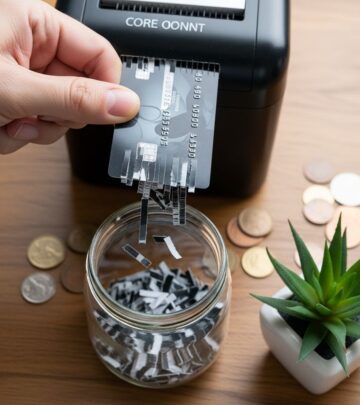
A: Some people benefit from physically removing access to credit, such as cutting up cards or freezing them in a block of ice. Others may prefer lowering limits, storing cards out of reach, or using them only for specific planned expenses. Choose the level of restriction that keeps you safe while still allowing responsible use if needed.
Q: How long does it take to recover financially from a shopping binge?
A: It depends on how much you spent and how much you can realistically save or redirect each month. With a clear savings plan and budget adjustments, many people can undo a small binge within a few weeks and a larger one over several months. The key is to take action quickly and consistently.
Q: Is it okay to still buy fun things if I struggle with binge shopping?
A: Yes. Completely banning all non-essential spending can be unrealistic and may lead to future binges. Instead, create a small, intentional “fun money” category in your budget and spend from it guilt-free, as long as you stay within your limits.
References
- Kellett, S., & Bolton, J. (2009). Compulsive buying: A cognitive–behavioural model — Behavioural and Cognitive Psychotherapy. 2009-05-01. https://doi.org/10.1017/S135246580900523X
- Müller, A., Mitchell, J. E., & de Zwaan, M. (2015). Compulsive buying — American Journal on Addictions. 2015-01-01. https://doi.org/10.1111/ajad.12111
- Office of the Comptroller of the Currency. Credit Card Use and Consumer Spending — U.S. Department of the Treasury. 2020-06-01. https://www.occ.treas.gov/publications-and-resources/publications/economics/consumer-credit-card-use.html
- Runnemark, E., Hedman, J., & Xiao, X. (2015). Do consumers pay more using debit cards than cash? — Electronic Commerce Research and Applications. 2015-01-01. https://doi.org/10.1016/j.elerap.2015.02.004
- Lusardi, A., & Mitchell, O. S. (2014). The economic importance of financial literacy: Theory and evidence — Journal of Economic Literature. 2014-03-01. https://doi.org/10.1257/jel.52.1.5
- Public Libraries in the United States Survey — Institute of Museum and Library Services. 2021-03-01. https://www.imls.gov/publications/public-libraries-united-states-survey-fiscal-year-2018
- Emergency Funds: How Much Is Enough? — Consumer Financial Protection Bureau. 2022-06-01. https://www.consumerfinance.gov/about-us/blog/emergency-savings-how-much-is-enough/
Similar Articles








Read full bio of Sneha Tete