How to Avoid Airline Fees in Basic Economy
Master basic economy travel with proven strategies to dodge bag fees, seat charges, and hidden costs while flying affordably.
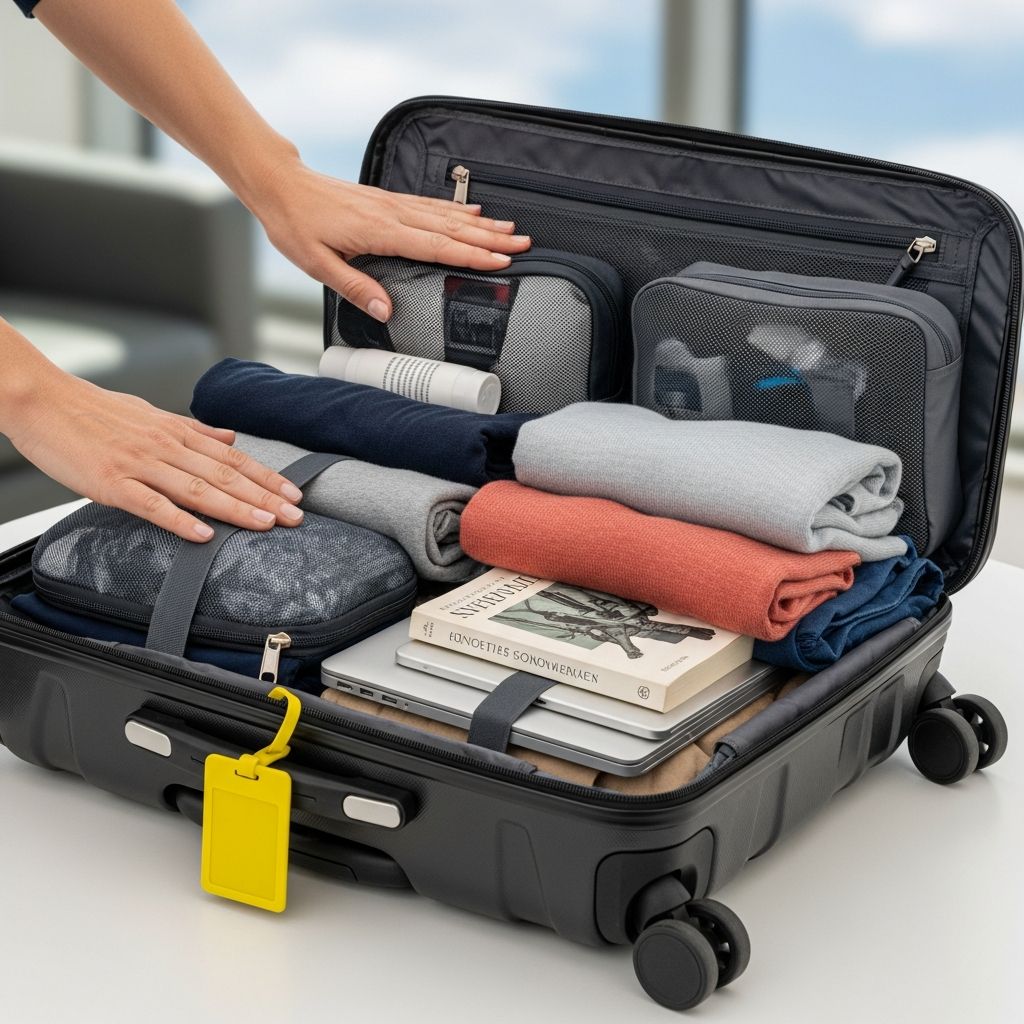
Basic economy fares promise the cheapest tickets, but they come loaded with restrictions and fees that can quickly erase your savings. From no-checked-bag policies to assigned middle seats and change penalties, airlines like United, Delta, American, JetBlue, and Spirit make it tough. This guide reveals 18 proven strategies to fly basic economy without the sting of extra charges, drawing from expert advice and real traveler experiences. Whether you’re packing for a weekend getaway or a cross-country trip, these tips help you stay under budget.
Pack Only Carry-On Luggage
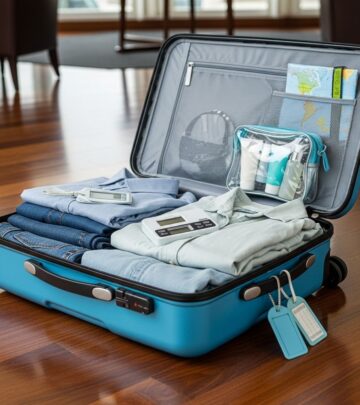
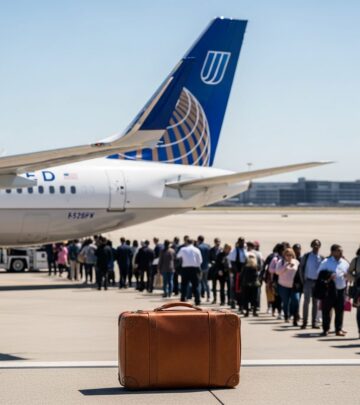
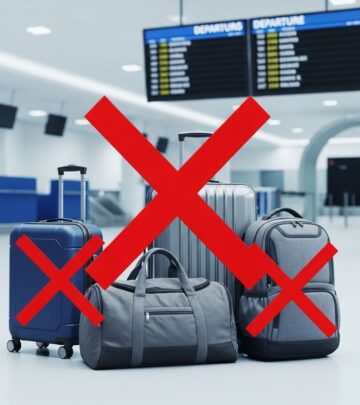
The cornerstone of fee-free basic economy travel is ditching checked bags entirely. Most airlines allow one carry-on (up to 22x14x9 inches) and one personal item (like a backpack or purse that fits under the seat) for free in basic economy—except ultra-low-cost carriers like Spirit. Spirit’s Go Travel fare charges for carry-ons, so verify rules before booking.
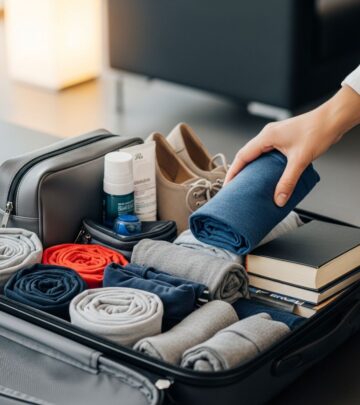
Wear bulky items like jackets, boots, or hats onboard to free up space. This approach works for trips up to a week if you pack versatile clothing and use packing cubes for compression. Travelers report saving $60–$100 per round trip by avoiding checked bag fees, which start at $35 per bag.
Invest in a Luggage Scale
Even if gate-checking a bag, weight limits loom large—most airlines cap at 50 pounds, with $100–$200 overweight fees. Buy a portable luggage scale ($10–$20) to weigh bags at home and adjust packing. One traveler avoided a $100 fee in Oahu by redistributing items, but now packs a scale as standard.
Pack a Foldable Duffel Bag
Keep a lightweight, foldable duffel in your carry-on for emergencies. If a bag exceeds weight or size at check-in, transfer items to the duffel and check it cheaply ($30–$40) instead of paying overweight penalties. This ‘Plan B’ has saved hasty travelers from hefty surprises.
Monitor Flight Prices Closely
Basic economy savings evaporate if prices drop post-booking—many fares don’t allow changes without fees ($99+). Use apps like Hopper or Going to set price alerts. Book domestic flights 6–8 weeks out and international 2–4 months ahead for optimal deals. If prices fall, main economy tickets often let you rebook for credit, unlike rigid basic fares.
Fly Midweek for Savings
Midweek flights (Tuesday–Wednesday) cost up to 20% less than peak weekends. Sundays are priciest for departures and returns. Combine with flexible dates to snag basic economy without seat or bag add-ons.
Pack Your Own Food and Snacks
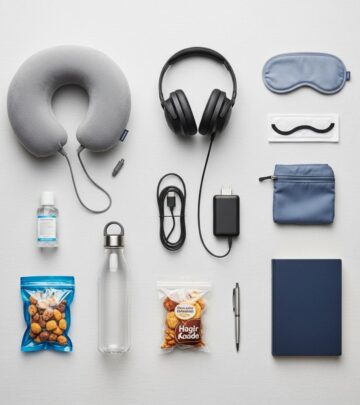
Economy meals cost $10–$14, even for snacks on most carriers (Southwest is free). Bring TSA-approved food in silicone bags—sandwiches, nuts, fruit—to eat what you like and save $20+ per flight. Buy airport eats only if needed, but home-packed is cheapest.
Bring Reusable Headphones and Essentials
JetBlue and Southwest charge for headphones; others may too. Pack your own noise-canceling pair, plus a water bottle (fill post-security) and neck pillow. Check airline amenities lists to avoid onboard purchases ($5–$20).
Opt for Main Economy When Smart
Basic economy can save $100 initially but locks you in—no changes, last boarding, random seats. Main economy (often $50–$100 more) allows free changes, price-drop rebooking, and better flexibility. Experts recommend it for non-rigid plans.
Leverage Credit Cards for Free Bags
Co-branded airline cards (e.g., United Explorer, Delta SkyMiles) grant free first checked bags for you and up to 8 companions, even on basic economy—bypassing restrictions. Cards also offer priority boarding for overhead space. Annual fees ($95+) offset with perks if you fly often. Alaska Airlines Saver fares allow carry-ons free but pair well with cards for checked bags.
Skip Seat Selection (or Pay Minimally)
Basic economy assigns seats at check-in, often middle ones together. Skip paying $10–$50 upfront; check in exactly 24 hours early for better random assignments. Some airlines let basic passengers buy seats cheaply post-booking if desired.
Travel with Just a Personal Item
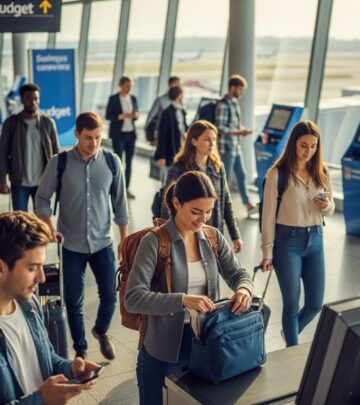
For solo or light packers, one under-seat bag avoids all overhead drama. Fits laptops, clothes for 3–5 days. No bin fights, no gate-check risks—pure stress-free boarding, even on JetBlue Blue Basic or United Basic.
Use Fare Bundles for Value
Basic seems cheapest, but add-ons inflate totals. Bundled economy fares include bags/seats for less than basic + fees. Calculate full cost: basic + $60 bags + $30 seats vs. bundled $80 savings.
| Airline | Basic Fare Name | Carry-On Allowed? | Checked Bag Fee | Seat Selection Fee |
|---|---|---|---|---|
| United | Basic Economy | No (personal only) | $40 first | $10–$50 |
| Delta | Basic Economy | Yes | $35 first | Free at check-in |
| American | Basic Economy | Yes | $35 first | $15–$45 |
| JetBlue | Blue Basic | No (personal only) | $35–$65 | $17–$156 |
| Alaska | Saver | Yes | $30 first | Free at check-in |
Car Seats and Family Perks
Car seats fly free as checked luggage or onboard (if seat-belted). Use covers with pockets for extra packing. Families: kids under 2 lap free domestically; add $15–$100 internationally but pack light.
Airport Lounge Access on Budget
Basic economy bars lounges, but day passes ($30–$60) beat upgrading fares. Skip if heading straight home, or use credit card perks (e.g., Priority Pass from some cards).
Additional Tips for Success
- Check airline rules per route: Domestic vs. international varies (e.g., transatlantic basic often includes bags).
- Elite status overrides: Frequent fliers get waivers.
- Group travel: One cardholder perks whole party.
- Flexible dates: Use Google Flights calendar for cheapest basic days.
- WiFi/Extras: JetBlue free WiFi; others charge—use offline mode.
Frequently Asked Questions (FAQs)
Q: Can I bring a carry-on in basic economy?
A: Depends on airline—United/JetBlue no (personal item only); Delta/American/Alaska yes. Always check.
Q: Do credit cards work for basic economy bags?
A: Yes, many waive first bag for cardholders + companions, even basic.
Q: What’s the best day to fly cheap?
A: Tuesdays/Wednesdays save 20% vs. weekends.
Q: Can I change basic economy tickets?
A: Rarely without $99+ fees; opt main economy for flexibility.
Q: How to avoid middle seats?
A: Check-in 24hrs early or pay minimal fee; families request together.
Q: Is food allowed onboard?
A: Yes, TSA-solid foods free; save vs. $10 airline meals.
Implement these strategies to turn basic economy hassles into seamless savings. Safe travels!
References
- Smart Tips for Traveling Without Paying Extra Airline Fees — Consumer Reports. 2023-10-04. https://www.consumerreports.org/money/saving-money/smart-tips-for-traveling-without-paying-extra-airline-fees-a9000904300/
- How to Avoid Paying Airline Add-On Fees — AARP. 2024-05-15. https://www.aarp.org/money/personal-finance/how-to-avoid-airline-fees/
- Flying Basic Economy: Your 10-Step Survival Guide — Liann and Theo. 2025-09-19. https://liannandtheo.com/2025/09/19/flying-basic-economy-your-10-step-survival-guide/
- How to use credit cards to defeat basic economy — The Points Guy. 2024-08-12. https://thepointsguy.com/credit-cards/use-credit-cards-defeat-basic-economy/
- Benefits and Disadvantages of Basic Economy Fares — The Parking Spot. 2024-11-20. https://www.theparkingspot.com/travel-tips/save-money/basic-economy-fares
Similar Articles








Read full bio of medha deb