How to Apply for a Part-Time Job: Complete Guide
Master the art of applying for part-time jobs with our comprehensive guide to success.

How to Apply for a Part-Time Job: A Comprehensive Guide
Finding and applying for a part-time job requires strategic planning, careful preparation, and persistence. Whether you’re a student looking to earn extra income, a parent seeking flexible work, or someone transitioning between careers, understanding the application process can significantly increase your chances of success. This comprehensive guide will walk you through every step of applying for a part-time job, from initial research to landing the position.
Understanding Part-Time Work
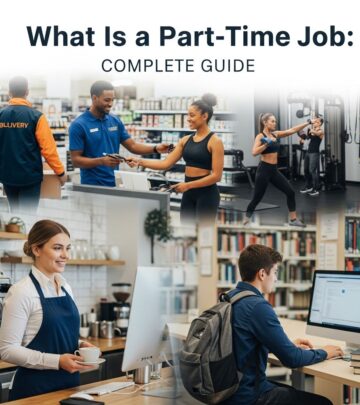
Part-time employment typically refers to positions that require fewer hours than traditional full-time roles, usually under 35 hours per week. These positions offer flexibility for individuals balancing multiple responsibilities such as education, family care, or other commitments. Part-time jobs span various industries including retail, hospitality, healthcare, customer service, and education. Understanding what part-time work entails helps you identify opportunities that align with your lifestyle and career goals.
Step 1: Assess Your Schedule and Availability
Before beginning your job search, carefully evaluate your schedule and determine what hours you can realistically work. Consider your existing commitments such as classes, childcare, medical appointments, or other responsibilities. Be honest about your availability, including preferred work times and any times when you absolutely cannot work.
Document your availability in specific terms. For example, specify whether you can work mornings, afternoons, evenings, or weekends. Note any seasonal variations, such as different availability during academic terms versus breaks. This clarity helps you target positions that genuinely fit your lifestyle and prevents accepting jobs you cannot maintain long-term. Employers appreciate candidates who demonstrate realistic understanding of their own schedules, as this typically leads to better retention and reliability.
Step 2: Update Your Resume
Your resume serves as your first impression with potential employers. Before applying to any positions, ensure your resume is current, well-organized, and tailored to highlight relevant skills and experience. A strong resume significantly increases your chances of being selected for interviews.
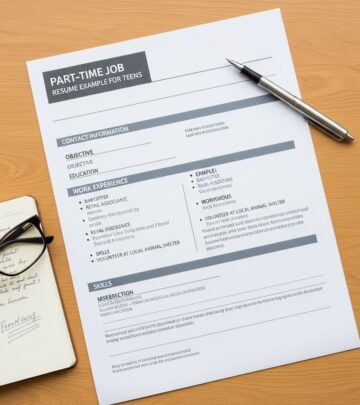
Essential Resume Components
Contact Information: Include your full name, phone number, professional email address, and city/state of residence. If you have both a term-time and permanent address, clarify which applies during the application period. Ensure your voicemail is professional and your email address is appropriate for job searching.
Professional Summary: Write a brief 2-4 sentence summary highlighting your key qualifications and career objectives. For part-time positions, mention that you’re seeking flexible work that accommodates your current commitments. This section helps employers quickly understand your value proposition.
Work Experience: List your previous employment in reverse chronological order, including job title, company name, dates, and key accomplishments. Use action verbs and quantifiable results when possible. Even if you lack traditional work experience, include volunteer positions, internships, or relevant coursework.
Education: Include your current education status, school name, degree or expected graduation date, and relevant academic achievements. For students applying for part-time work, this section demonstrates your commitment to education while seeking employment.
Skills Section: List relevant skills that match the job description, such as customer service, cash handling, data entry, communication, or technical abilities. Provide specific examples demonstrating how you’ve developed these skills through work, education, or personal projects.
Additional Information: Include certifications, language abilities, or other relevant qualifications. If you have availability to start immediately, mention this as employers often value quick onboarding.
Tailoring Your Resume for Each Application
Customize your resume for each position by matching keywords from the job description. If the posting emphasizes customer interaction, highlight your customer service experience. If technical skills are mentioned, feature your relevant technical abilities. This strategic alignment demonstrates you’ve carefully considered the role and understand employer needs.
Keep your resume to one page for entry-level or limited experience candidates, using clear formatting with consistent fonts and adequate white space. Avoid excessive graphics or colors that may not print well. Ensure there are no typos or grammatical errors, as these create negative first impressions.
Step 3: Build a Strong Professional Network
Your professional network often provides the most valuable job leads, sometimes before positions are publicly advertised. Begin by contacting friends, family members, former colleagues, teachers, professors, and mentors to inform them you’re seeking part-time work. Personal referrals often carry significant weight with employers and can accelerate your hiring process.
Connect with professionals in your target industry through LinkedIn, industry events, or social media. Follow companies you’re interested in on social media platforms to receive alerts about job openings. Attend career fairs, networking events, and information sessions where you can make direct connections with hiring managers. Informational interviews with professionals in your field can provide valuable insights and potential job leads.
Step 4: Find Part-Time Job Listings
Part-time job opportunities exist through multiple channels. Understanding where to look dramatically expands your options and increases your chances of finding suitable positions.
Online Job Boards
Major job boards like Indeed, LinkedIn Jobs, and Monster allow you to search for part-time positions by location, industry, and job type. Use filters to narrow results to part-time roles and set up job alerts to receive notifications about new postings matching your criteria. Many boards allow you to upload your resume for easier applications across multiple positions.
Company Career Pages
Visit the websites of companies where you’d like to work and navigate to their careers section. Many organizations post part-time opportunities directly on their sites before posting to general job boards. Company career pages often provide detailed information about company culture, benefits, and expectations. You may find application portals that streamline the submission process.
Local Business Visits
Visit local retail stores, restaurants, coffee shops, and service businesses in your area to inquire about part-time positions. Bring updated copies of your resume and dress professionally. Personal visits often leave positive impressions and demonstrate genuine interest in the organization. Many small businesses prefer direct applicants over formal job boards.
Staffing Agencies and Temporary Employment Services
Staffing agencies connect job seekers with employers, often for temporary or part-time positions. These agencies can quickly match you with opportunities and handle administrative details. Many temporary positions lead to permanent employment if performance is satisfactory.
University and Community Resources
If you’re a student, your school’s career services office often maintains job boards specifically for student employment, including part-time opportunities. Community colleges, libraries, and workforce development centers frequently post local job listings and provide job search resources.
Step 5: Research Potential Employers
Before applying, research companies to ensure alignment with your values and expectations. Read the job description carefully to understand specific responsibilities, required qualifications, and expected hours. Visit the company website to understand their mission, values, and work environment.
Check employee reviews on sites like Glassdoor to gain insights into workplace culture, compensation, and management style. Look for patterns in feedback about work-life balance, which is particularly important when seeking part-time employment. Research salary ranges for similar positions in your area to ensure compensation is reasonable. Understanding the company helps you write more compelling applications and prepare better for interviews.
Step 6: Prepare Your Application Materials
Strong application materials significantly increase your chances of being selected for interviews. Each component should work together to present you as a qualified, professional candidate.
Customized Cover Letter
Write a brief, professional cover letter for each position, addressing the specific hiring manager when possible. Open with enthusiasm about the position and company. In the body, explain why you’re interested in this particular role and how your skills match the position’s requirements. Provide a specific example of how you’ve demonstrated relevant skills. Close by expressing interest in discussing how you can contribute to the company. Keep your letter to three to four paragraphs and ensure error-free writing.
Application Completeness
Fill out all required application fields thoroughly and accurately. Double-check information for spelling and accuracy before submitting. If the application asks specific questions, provide detailed answers rather than generic responses. Follow all application instructions precisely, including file formats and submission methods. Incomplete or hastily completed applications often result in automatic rejection.
References
Prepare a list of professional references who can speak to your reliability, work ethic, and skills. Include teachers, former supervisors, mentors, or community leaders who know your abilities. Provide their full names, titles, organizations, phone numbers, and email addresses. Always ask permission before listing someone as a reference and inform them when you’re job hunting so they’re prepared if contacted.
Step 7: Submit Your Application
When submitting your application, follow all instructions provided in the job posting. Use the specific application method requested, whether through an online portal, email, or in-person submission. Include all requested materials in the correct file formats and clearly label each document with your name.
Keep records of every position you apply for, including the company name, position title, application date, and any confirmation numbers provided. This organization helps you follow up appropriately and track your job search progress. Submit applications during business hours and avoid submitting on weekends or late nights when your application may be overlooked among many submissions.
Step 8: Communicate Your Availability Clearly
When discussing a potential position, be completely transparent about your availability. If you cannot work certain hours or days, communicate this upfront rather than accepting a position you cannot maintain. This honesty builds trust and prevents employment issues later. Specify your availability in your application and be prepared to discuss scheduling during interviews.
If you’re a student, explain how your work schedule can accommodate your academic commitments. Employers generally appreciate candidates who clearly understand and communicate their limitations. Being forthcoming about availability helps ensure you’re matched with shifts that genuinely fit your life.
Step 9: Prepare for Interviews
If your application is successful, you’ll be invited for an interview. Research the company thoroughly and prepare thoughtful questions about the role and work environment. Practice answering common interview questions and prepare specific examples of times you’ve demonstrated relevant skills.
Dress professionally and arrive 10-15 minutes early. Bring extra copies of your resume and a notebook for taking notes. Make eye contact, offer a firm handshake, and speak clearly and enthusiastically. Ask about the specific schedule, training process, advancement opportunities, and company culture. Thank the interviewer for their time and follow up with a brief thank-you email within 24 hours.
Step 10: After Acceptance
Once you receive a job offer, confirm the start date, schedule, pay rate, and any required paperwork. New employees typically complete tax forms (W-4), direct deposit authorization, and work authorization verification (I-9). Ask your supervisor about the training process and what to bring on your first day.
Work with your supervisor to establish a schedule that accommodates your other commitments. Never miss a registered class to work, and ensure your work and educational responsibilities are balanced. Maintain open communication with your employer about scheduling needs and provide appropriate notice if your availability changes.
Common Mistakes to Avoid
Avoid submitting generic applications without customization for each position. Don’t exaggerate qualifications or provide inaccurate information. Avoid typos and grammatical errors in all materials. Don’t apply for positions with unrealistic schedules you cannot maintain. Avoid being unavailable or unresponsive during the hiring process. Don’t neglect to follow up or show continued interest in positions you’ve applied for.
Frequently Asked Questions
Q: Should I apply for part-time jobs online or in person?
A: Both methods are effective. Apply online through official channels when available, but visiting businesses in person can demonstrate genuine interest and commitment. Many employers appreciate personal contact, especially for smaller organizations.
Q: How long should I wait to hear back after applying?
A: Response times vary by company, typically ranging from a few days to two weeks. If you haven’t heard back after two weeks, you may politely follow up with a brief email or call expressing continued interest.
Q: Is it necessary to include a cover letter with part-time job applications?
A: While not always required, a customized cover letter significantly increases your chances of standing out, especially for competitive positions. It demonstrates effort and genuine interest in the specific role.
Q: How can I balance a part-time job with school or other commitments?
A: Choose positions with truly flexible or predictable schedules that you can maintain long-term. Communicate clearly with your employer about your other commitments and establish priorities to prevent either responsibility from suffering.
Q: What salary should I expect from a part-time job?
A: Salaries vary by position, location, and industry. Research typical wages for similar positions in your area to ensure fair compensation. Entry-level part-time positions often start at minimum wage or slightly above.
Q: How should I handle scheduling conflicts?
A: Communicate with your employer as soon as possible when conflicts arise. Provide advance notice when feasible and offer solutions such as finding coverage or adjusting your schedule. Most employers appreciate proactive communication.
References
- How To Find a Part-Time Job (With Benefits and Tips) — Indeed.com. 2024. https://www.indeed.com/career-advice/finding-a-job/how-to-find-a-part-time-job
- Student Employment — SMU Enrollment Services. 2024. https://www.smu.edu/enrollment-services/student-financial-services/student-employment
- Paid Sick Leave Minimum Requirements — Washington State Department of Labor & Industries. 2024. https://www.lni.wa.gov/workers-rights/leave/paid-sick-leave/paid-sick-leave-minimum-requirements
- Getting Started with Part-Time Jobs — YouTube. 2024. https://www.youtube.com/watch?v=eYA0v38kHtc
- What to Consider Before Getting a Part-Time Job — iHire Resource Center. 2024. https://www.ihire.com/resourcecenter/jobseeker/pages/what-to-consider-before-getting-a-part-time-job
Similar Articles








Read full bio of medha deb