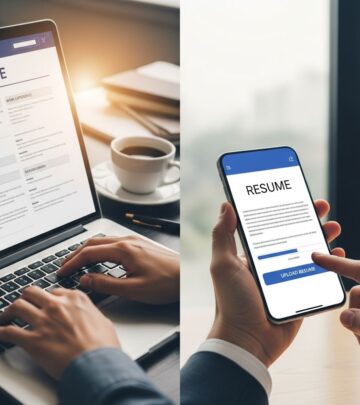
How to Apply for Jobs Online: A Complete Guide
Master the art of online job applications with our comprehensive guide to success.

How to Apply for Jobs Online: A Complete Guide to Landing Your Next Opportunity
In today’s digital job market, knowing how to effectively apply for jobs online is essential for career success. Whether you’re a recent graduate, career changer, or experienced professional, mastering the online application process can significantly increase your chances of landing interviews and securing your ideal position. This comprehensive guide walks you through every step of applying for jobs online, from initial preparation to final submission.
Prepare Your Online Job Search Strategy
Before you begin clicking the apply button on job postings, invest time in developing a solid job search strategy. A well-planned approach saves you time and increases your effectiveness throughout the process.
Conduct a Self-Assessment
Start by identifying your skills, qualifications, and professional interests. Take inventory of your technical abilities, soft skills, and areas of expertise. Write down specific skills that set you apart from other candidates, such as proficiency in certain software, languages, certifications, or specialized knowledge. Understanding what you bring to the table helps you target positions where you’re genuinely qualified and interested.
Identify Target Industries
Rather than applying to every available position, focus on industries that align with your career goals and values. Research the top five industries where you’d like to work. For each industry, examine the job market outlook over the next five to ten years. Some industries experience rapid growth while others may be declining, which affects job availability and salary potential. This research helps you invest your effort in sectors with genuine opportunity.
Research Target Employers
Once you’ve identified promising industries, select specific employers you’d like to work for within those fields. Aim to identify at least five target companies. Visit their official career pages, review company information, and follow them on LinkedIn. Understanding an employer’s culture, values, and current hiring needs allows you to tailor your applications and demonstrate genuine interest in the organization.
Gather Essential Application Materials
Having your application materials organized and ready before you start applying streamlines the process and ensures consistency across all submissions.
Prepare Your Resume
Your resume is often the first impression you make on employers. Ensure it’s updated with your latest experience, education, and accomplishments. Tailor your resume for different positions by emphasizing relevant skills and experiences that match each job description. Use clear formatting, consistent fonts, and bullet points for easy reading. Include quantifiable achievements whenever possible, such as percentages of improvement, revenue generated, or projects completed.
Create a Professional Email Address
Use a professional email address for all job applications. Ideally, this should include your first and last name or a variation thereof. Avoid email addresses that seem unprofessional or unclear. Check this email regularly, as employers will contact you through this address with interview invitations and follow-up communications.
Compile Your References
Prepare a list of three to five professional references who can speak to your qualifications and work ethic. These should be people who have directly worked with you, such as former managers, colleagues, or professors. Never list family members as references. Always ask permission from potential references before providing their contact information to employers. Ensure they know to expect calls and have accurate contact details listed.
Develop a Strong Professional Summary
Create a concise professional summary that highlights your key qualifications and career objectives. This summary should be tailored to the types of positions you’re seeking and should communicate your unique value proposition to employers. Keep it to 2-3 sentences that capture your experience level, core competencies, and what you’re looking for in your next role.
Create an Optimized Online Profile
Many online job boards and career platforms allow you to create profiles. These profiles serve as your digital resume and can help employers find you even if you haven’t applied directly.
Complete Your Profile Sections
Include all essential information in your online profile: educational background, work experience, skills, certifications, and professional accomplishments. Many platforms allow you to add a headline and summary. Use these strategically to incorporate relevant keywords that align with positions you’re targeting. For example, instead of simply saying “Marketing Professional,” specify “Digital Marketing Specialist with SEO and Content Strategy Expertise.”
Optimize for Keywords
Research job titles and keywords commonly used in your field. Incorporate these keywords naturally throughout your profile. This optimization helps your profile appear in searches when recruiters and employers are looking for candidates with your qualifications. Review several job postings in your target field to identify common terminology and skill requirements.
Use a Professional Headshot
If the platform allows, add a professional headshot. Use a clear, high-quality photo with professional clothing and good lighting. Your facial expression should be friendly and approachable. This personal touch helps hiring managers remember you and adds credibility to your profile.
Navigate Online Job Application Systems
Different companies use different application systems. Understanding how to navigate these platforms efficiently saves time and reduces frustration.
Common Application Platform Features
Most online job boards and company websites feature similar application components. You’ll typically find a job search bar where you can filter positions by location, job title, industry, or company. Job descriptions will outline responsibilities, required qualifications, and preferred skills. Many platforms show company information, employee reviews, and salary ranges, allowing you to research the employer before applying.
Fill Out Application Forms Accurately
When filling out online applications, provide complete and accurate information. Don’t leave fields blank unless they’re marked optional. If a question asks for information you don’t have, indicate “Not applicable” rather than leaving it empty. Double-check all entries for spelling and grammatical errors. Inaccuracies or incomplete applications may result in automatic rejection by applicant tracking systems (ATS).
Follow All Instructions
Read application instructions carefully before submitting. Some employers ask for specific information, essay responses, or file formats. Failing to follow instructions, even seemingly minor ones, can eliminate you from consideration. If an employer asks for a cover letter in a particular format or wants answers to specific questions, provide exactly what they request.
Craft Effective Application Materials
Beyond your resume, most online applications require additional materials that help you stand out from other candidates.
Write Tailored Cover Letters
When required, write a customized cover letter for each position. Address the hiring manager by name if possible. Explain why you’re interested in the specific role and company, and highlight how your skills and experience align with the job requirements. Use the cover letter to tell your professional story and demonstrate genuine interest in the position. Employers can tell when cover letters are generic, so invest time in personalization.
Address Specific Job Requirements
Carefully review the job description and identify key requirements and desired qualifications. In your application materials, specifically address how you meet these requirements. Use similar language and terminology found in the job posting. For required qualifications you lack, explain how your existing skills compensate or how you’re actively developing that capability.
Provide Quality Work Samples
If the application requests work samples or portfolios, provide your best work that demonstrates relevant skills. Ensure samples are properly formatted, easy to review, and showcase your abilities. Don’t overwhelm reviewers with excessive materials; select 2-3 strong samples that directly relate to the position.
Develop an Application Timeline and Goals
Treating your job search like a project with specific goals and timelines increases productivity and keeps you motivated.
Set Daily and Weekly Application Goals
Determine how many applications you’ll complete daily, weekly, or monthly. This number varies based on your circumstances and the competitiveness of your field. Some people might aim for 5-10 applications per week, while others pursue 2-3 quality applications daily. Choose a number that allows you to apply thoughtfully rather than rushing through applications carelessly.
Track Your Applications
Maintain a spreadsheet or document tracking every position you’ve applied for, including the company name, job title, application date, and any follow-up activities. Note the job posting URL, key contact information, and your application status. This organization prevents duplicate applications and helps you remember details if a company calls to discuss your application.
Follow Up Appropriately
After applying, wait 1-2 weeks before following up. If you haven’t heard back and the job posting is still active, send a polite follow-up email to the hiring contact. Reference your specific application and express continued interest. Many hiring processes take time, so persistence demonstrates genuine interest.
Optimize for Applicant Tracking Systems
Many companies use Applicant Tracking Systems (ATS) to filter applications before human review. Understanding how these systems work helps you get past the first screening.
Use Relevant Keywords
ATS software scans applications for keywords matching the job description. Include relevant skills, job titles, and industry terminology throughout your resume and application materials. Mirror language used in the job posting without overdoing it or appearing robotic. If the posting mentions “project management” and “team leadership,” ensure your application includes these exact phrases where applicable.
Format for ATS Compatibility
Use standard formatting in your resume and application materials. Avoid complex graphics, tables, columns, and unusual fonts that ATS software struggles to read. Stick to common fonts like Arial, Times New Roman, or Calibri. Keep formatting simple and consistent. Submit files in requested formats—usually PDF or Word documents.
Structure Information Clearly
Use clear section headings and bullet points in your resume. Organize information logically with consistent dating and formatting. ATS systems read from top to bottom, so place important information near the top of your resume. Ensure your contact information is easy to find and your work history is clearly chronological.
Common Online Application Mistakes to Avoid
Protect your candidacy by avoiding these frequent errors in the online application process.
Incomplete Applications
Never submit incomplete applications. Review every field to ensure you’ve provided requested information. Missing information signals carelessness or lack of interest to employers.
Generic Materials
Avoid sending identical cover letters and responses to every employer. Generic applications demonstrate a lack of genuine interest and result in lower-quality submissions that fail to highlight relevant qualifications.
Typos and Grammatical Errors
Carefully proofread all application materials before submission. Spelling mistakes and grammatical errors create negative impressions and suggest carelessness. Read your materials aloud or have someone else review them.
Ignoring Application Instructions
Always follow provided instructions exactly. If an employer specifies they want a cover letter as a separate attachment, provide it separately. If they ask for specific information formatted a particular way, comply with those requirements.
Not Researching the Employer
Failure to research the company results in generic applications that fail to demonstrate genuine interest. Visit company websites, read recent news, and understand their mission and values before applying.
Stay Patient and Persistent
The job search process requires patience. Even well-executed applications may not result in immediate responses. Most hiring timelines span several weeks from application to interview to offer. Stay persistent, continue applying to quality positions, and remember that rejection is part of the process, not a personal failure.
Frequently Asked Questions
Q: How long does it typically take to hear back from online job applications?
A: Response times vary widely by company and industry. Some employers respond within days, while others take weeks or even months. Generally, expect to wait 1-2 weeks before following up. Large companies often take longer than smaller organizations.
Q: Should I apply for jobs I’m not 100% qualified for?
A: Yes, if you meet most requirements. Many job descriptions list “nice to have” qualifications rather than absolute requirements. If you have 70-80% of the qualifications and genuine interest, apply. However, don’t waste time on positions where you lack critical requirements.
Q: Is it better to apply online or network directly?
A: Both approaches are valuable. Online applications provide access to a broader range of positions, while networking often leads to unadvertised opportunities. The best strategy combines both methods: network to learn about opportunities while also maintaining a consistent online application schedule.
Q: What should I do if a website won’t accept my application?
A: Try troubleshooting by clearing your browser cache, using a different browser, or accessing the site from a different device. If technical issues persist, contact the company’s human resources department directly for assistance or alternative submission methods.
Q: How can I make my application stand out?
A: Personalize your materials for each position, highlight specific achievements with measurable results, use relevant keywords from the job description, and demonstrate genuine interest in the company. A well-written cover letter that connects your experience to their needs makes a significant difference.
Q: Should I customize my resume for every application?
A: Yes. Tailor your resume to emphasize skills and experiences most relevant to each position. Reorder bullet points to highlight the most applicable accomplishments first. This customization makes your application more compelling and improves your chances with ATS systems.
References
- The Balance Careers – How to Apply for Jobs Online — The Balance. Accessed November 2025. https://www.thebalancemoney.com/how-to-apply-for-jobs-online-2061598
- EEOC Guidelines on Employment Discrimination — U.S. Equal Employment Opportunity Commission. 2024. https://www.eeoc.gov/employers/guidance-employment-discrimination-laws
- Applicant Tracking Systems: How They Work — Society for Human Resource Management (SHRM). 2024. https://www.shrm.org
- Resume and Cover Letter Best Practices — U.S. Department of Labor Career OneStop. 2025. https://www.careeronestop.org
- Job Search Strategies and Employment Trends — Bureau of Labor Statistics, U.S. Department of Labor. November 2025. https://www.bls.gov/ooh
Similar Articles








Read full bio of Sneha Tete