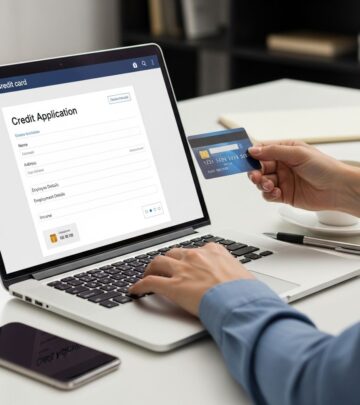
How To Apply For A Credit Card And Get Approved
Master the credit card application process with expert strategies to boost your approval odds.

Applying for a credit card can seem daunting, especially if you’re unsure about your eligibility or the process involved. However, with the right preparation and knowledge, you can significantly increase your chances of approval and find a card that meets your financial needs. This comprehensive guide walks you through each step of the credit card application process, from understanding your creditworthiness to submitting your application and everything in between.
Key Takeaways
- Knowing your credit score before applying helps you identify cards you’re most likely to be approved for and understand your creditworthiness
- Comparing credit cards against your specific financial needs and spending habits allows you to select the best card for your situation
- Preapproval tools offer insight into your approval odds without impacting your credit score through a hard inquiry
- Gathering necessary personal and financial information before applying streamlines the process and improves your chances
- Choosing the right application method—online, by mail, phone, or in person—can affect approval speed and overall experience
Step 1: Know Your Credit Score And What It Means
Your credit score is a three-digit number that represents your credit health and helps lenders determine your creditworthiness—essentially, how likely you are to repay borrowed money. Understanding this number before submitting a credit card application is crucial because it directly influences which cards you qualify for and what interest rates and fees you’ll receive.
A strong credit score can unlock the best rates and lowest fees available, making your credit card more valuable long-term. Conversely, a poor credit score can result in application denial or approval with unfavorable terms. The lower your credit score, the higher the likelihood of rejection.
Understanding Credit Score Ranges
Credit scores typically fall into six distinct categories. Familiarizing yourself with where you stand helps you target appropriate cards:
| Credit Score Range | Credit Rating | Approval Likelihood |
|---|---|---|
| 800–850 | Excellent | Very High |
| 740–799 | Very Good | Very High |
| 670–739 | Good | High |
| 580–669 | Fair | Moderate |
| 300–579 | Poor | Low |
If you’re unsure about your current score, numerous free tools are available to help you check it without affecting your credit rating. Knowing this number gives you a realistic understanding of which cards to pursue and which require score improvement first.
Step 2: Compare Cards Against Your Financial Needs
Once you’ve determined your credit score and identified cards within your range, the next step is evaluating your personal financial goals and spending habits. Different credit cards serve different purposes, and selecting the right one depends on what benefits matter most to you.
Identifying Your Priorities
Ask yourself these important questions when evaluating credit cards:
- Are you seeking cash back rewards on everyday purchases?
- Would travel rewards and airline miles be more valuable to you?
- Is building credit your primary goal right now?
- Do you want a low introductory interest rate on purchases or balance transfers?
- Are you looking for a card with minimal fees?
- Would 0% APR promotional periods help your financial situation?
By clearly understanding your needs and budget, you can narrow down options to find a credit card perfectly aligned with your spending habits and financial objectives. This strategic approach prevents you from applying for unsuitable cards and increases your approval odds by targeting products designed for your situation.
Step 3: Check For Preapproval Offers
Before formally applying for a credit card, investigate whether the issuer offers preapproval. While preapproval doesn’t guarantee acceptance, it provides valuable insight into your approval likelihood without triggering a hard credit inquiry that could damage your credit score.
How Preapproval Works
Preapproval uses a soft pull—a gentle background check that doesn’t affect your credit score. Tools like Bankrate’s CardMatch use this method to display personalized offers matching your qualifications. By providing basic information such as your name, address, employment status, monthly housing payment, and the last four digits of your Social Security number, you can see which cards you’re likely to qualify for.
This strategy removes guesswork from the application process, allowing you to proceed with confidence toward cards with high approval odds rather than applying blindly.
Step 4: Estimate Your Monthly Payments
Before applying, develop a realistic budget plan for your credit card payments. This ensures you can maintain good standing and avoid costly mistakes that harm your credit.
Payment Planning Strategies
Budget for at least the minimum monthly payment required by the card issuer. However, aim to pay more than the minimum whenever possible to reduce interest charges and build positive payment history faster.
Additionally, keep your credit utilization ratio—the percentage of available credit you’re actively using—below 30 percent. Using more than 30 percent of your available credit can negatively impact your credit score. For example, with a $10,000 credit limit, try to keep your outstanding balance under $3,000. This demonstrates responsible credit management to future lenders and protects your credit health.
Step 5: Gather Necessary Personal And Financial Information
Preparing your information before applying streamlines the process and increases your approval chances. Having documents ready prevents incomplete applications and ensures accuracy in your submission.
Essential Information Required
Most credit card applications require the following core information:
- Your full legal name as it appears on official documents
- Date of birth
- Current residential address
- Social Security number
- Annual income from all sources
Additional Information You May Need
Be prepared to provide additional details if the card issuer requests them:
- Length of time at your current address
- Housing status (renting or owning) and monthly housing costs
- Employment details and job title
- Income sources beyond primary employment
- Assets and savings accounts
- Spouse or partner income (if applicable and you have reasonable access)
- Employer identification number for business credit cards (though most still require your SSN)
Organizing this information ahead of time prevents delays and demonstrates preparedness to the issuer.
Step 6: Choose Your Application Method
Credit card issuers offer multiple application channels, each with distinct advantages and timelines. Selecting the right method affects your approval speed and overall experience.
Online Application (Issuer’s Website)
Applying directly through the credit card issuer’s website is the easiest and fastest approach. You can submit your information and required details from home at your convenience. This method typically yields the fastest response, with many applicants receiving instant approval and immediate access to a digital card while waiting for the physical card to arrive by mail.
Mail Application
If you receive a physical credit card offer in the mail, you can complete the application and mail it back to the issuer. This traditional method takes longer—typically several weeks depending on the issuer’s processing speed. You’ll also need to wait for your credit card to arrive by mail, making this the slowest option overall.
Phone Application
Though less common, you can call the card issuer during business hours and apply over the phone. A representative will guide you through the process. Approval typically comes faster than the mail method, though you may experience extended hold times during peak hours.
In-Person Application
If the card issuer operates physical branch locations, you may be able to apply in person. Search online or call the number on your card offer to determine if this option is available. This method provides the advantage of speaking directly with a representative who can answer questions immediately.
Understanding Credit Card Application Rules By Issuer
Different credit card issuers enforce unique rules governing approvals, welcome bonus eligibility, and the number of cards you can hold. Understanding these rules before applying prevents rejection and helps you optimize your card strategy.
Bank of America Application Rules
Bank of America enforces the 2/3/4 rule, which restricts credit card approvals as follows:
- A maximum of two new credit cards within any 30-day period
- A maximum of three new credit cards within any 12-month period
- A maximum of four new credit cards within any 24-month period
Bank of America does not restrict the total number of credit card accounts you can maintain simultaneously.
Citi Application Rules
If applying for a Citi credit card, remember two critical rules: You cannot apply for more than one Citi card every eight days, and you cannot apply for more than two Citi cards within any 65-day period. Additionally, Citi may deny your application if your credit reports show more than six hard inquiries within the last six months.
Welcome Bonus Restrictions
Most card issuers impose waiting periods before you can earn welcome bonuses on specific cards or within a card family if you’ve already received a bonus. Understanding these restrictions helps you plan multiple applications strategically and maximize rewards earned.
Tips For Maximizing Your Approval Chances
Several strategies can significantly boost your credit card application approval odds:
- Check your credit score first: Know where you stand before applying and target appropriate cards
- Use preapproval tools: Check eligibility without triggering hard inquiries that damage your score
- Narrow your options: Focus on cards designed for your credit range and financial needs
- Prepare documentation: Have all required information organized and ready
- Understand issuer rules: Learn specific restrictions that might affect your eligibility
- Consider your income: Include all eligible income sources to strengthen your application
- Maintain low utilization: Keep existing credit card balances below 30% of limits
- Space applications: Avoid applying for multiple cards simultaneously, which raises red flags
Understanding Income Requirements
Income verification is a critical component of credit card applications. Lenders use income information to verify whether you have sufficient financial capacity to meet debt obligations.
What Counts As Income
If you’re 21 or older, you can report total household income, including:
- Your personal earned income
- Spouse or partner income
- Freelance and side-gig payments
- Investment income and other passive sources
If you’re under 21, issuers can only consider your individual income, which may include income someone else deposits into an account you own (such as parental support) or income from businesses you own or partially own.
Debt-To-Income Ratio Matters
Lenders examine your debt-to-income ratio to assess your ability to take on additional credit. A lower ratio—meaning you have relatively low debt compared to income—improves your approval odds and may qualify you for better terms.
Frequently Asked Questions
Q: How long does it take to get approved for a credit card?
A: Approval timelines vary by application method and issuer. Online applications often yield instant approval with digital card access, while mail applications may take several weeks. Phone and in-person applications typically fall between these timeframes.
Q: Will applying for a credit card hurt my credit score?
A: A hard inquiry from a formal application slightly lowers your score temporarily, typically by 5-10 points. However, preapproval and soft pulls don’t affect your score. The impact is minimal and recovers within several months of responsible credit use.
Q: What should I do if I’m denied for a credit card?
A: Request the denial reason from the issuer, then address that specific issue. If your score was too low, work on building credit before reapplying. If income was insufficient, reapply once your income increases.
Q: Can I apply for multiple credit cards at once?
A: While technically possible, applying for multiple cards simultaneously triggers multiple hard inquiries, harming your score and raising red flags to issuers. Space applications at least 3-6 months apart.
Q: Do I need perfect credit to get approved for any credit card?
A: No. Cards exist across the credit spectrum. Secured cards and student cards accept applicants with poor or limited credit histories. Research issuers offering cards for your credit range.
Q: What information should I never give during a credit card application?
A: Never provide your full Social Security number or sensitive banking details before confirming you’re on the legitimate issuer’s website. Legitimate companies never ask for passwords or full account numbers upfront.
References
- How To Apply For A Credit Card And Get Approved — Bankrate. 2024-11-29. https://www.bankrate.com/credit-cards/advice/how-to-apply-for-a-credit-card/
- 9 Tips For Maximizing Your Approval For A Credit Card — Bankrate. 2024-11-29. https://www.bankrate.com/credit-cards/advice/tips-for-getting-approved-for-a-credit-card/
- Credit Card Application Rules By Issuer — Bankrate. 2024-11-29. https://www.bankrate.com/credit-cards/issuers/credit-card-application-rules-by-issuer/
- What Really Happens When You Apply For A Credit Card — Bankrate. 2024-11-29. https://www.bankrate.com/credit-cards/advice/what-really-happens-when-you-apply-for-a-credit-card/
- What Income Do You Need To Get A Credit Card — Bankrate. 2024-11-29. https://www.bankrate.com/credit-cards/advice/credit-card-income-requirements/
- How To Get A Credit Card For The First Time — Bankrate. 2024-11-29. https://www.bankrate.com/credit-cards/building-credit/first-credit-card/
- Guide To Getting Your First Credit Card While In College — Bankrate. 2024-11-29. https://www.bankrate.com/credit-cards/building-credit/getting-your-first-credit-card-in-college-guide/
Similar Articles








Read full bio of medha deb