How to Successfully Appeal a Pet Insurance Claim
Learn how to challenge denied pet insurance claims with strong documentation, clear arguments, and a step-by-step appeal strategy.

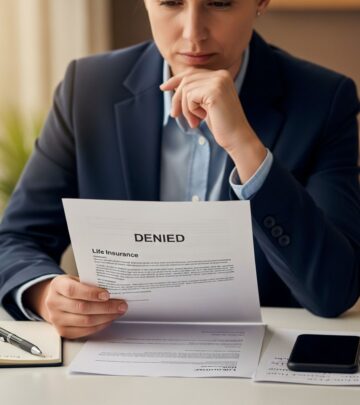
Receiving a denied pet insurance claim after an expensive vet visit can be upsetting and confusing. However, a denial is not always final. Many pet insurers offer a formal appeals process that gives you the chance to provide more information, correct errors, and ask for a fresh review of your claim decision. With a clear strategy and solid documentation, you can significantly improve your chances of success.
This guide explains how pet insurance claim denials work, common reasons they happen, and the practical steps you can take to prepare, submit, and follow up on an appeal. You will also learn how to avoid common mistakes and when to escalate your dispute beyond the insurer.
Understanding Pet Insurance Claim Denials
Before you appeal, it is essential to understand why your claim was denied. The denial reason determines which documents you need and how you should frame your argument.
Typical reasons pet insurance claims are denied
While every insurer has its own policy wording, denials commonly fall into a few broad categories.
- Pre-existing conditions: The insurer believes your pet showed signs, symptoms, or received treatment for the condition before the policy started or during the waiting period.
- Policy exclusions: The condition, treatment, or service is listed as excluded in the policy (for example, some elective procedures, breeding-related costs, or certain dental treatments).
- Waiting period issues: The event occurred before coverage began or within the defined waiting period after the policy start date.
- Benefit limits reached: Annual, per-incident, or lifetime limits have been exhausted, so further reimbursements for that condition are not payable.
- Incomplete or incorrect documentation: Required medical records, invoices, or claim forms were missing or filled out incorrectly.
- Administrative errors: Incorrect patient details, dates, or coding errors can also trigger denials, even when the claim is otherwise valid.
How the claims and appeals process usually works
Most modern pet insurance policies follow a similar claims lifecycle:
- You pay the vet and collect itemized invoices and medical records.
- You submit a claim form plus documentation within the time limit set by your policy.
- The insurer reviews the claim against your coverage, waiting periods, and exclusions.
- The claim is either reimbursed or denied. If denied, the company sends a written explanation.
- If you disagree with the decision, you can file an appeal, asking the insurer to reassess the claim using additional context or evidence.
First Steps After a Claim Is Denied
Reacting quickly and methodically to a denial can preserve your right to appeal and help you build a stronger case.
1. Carefully review the denial letter
Start by reading the denial letter from beginning to end. This document should specify:
- The claim number and date of service.
- The specific treatments or charges that were denied.
- The policy provisions, exclusions, or definitions used as the basis for denial.
- Information about your right to appeal, including deadlines and how to submit an appeal.
Cross-reference the denial with your policy documents. Mark any sections of the policy that support coverage for your pet’s situation, and note any areas where the insurer may have misinterpreted the facts.
2. Check your policy and coverage details
To decide whether an appeal is worth pursuing, you need to understand the key features of your policy:
- Coverage type: Accident-only, accident and illness, or wellness add-ons all cover different categories of treatment.
- Waiting periods: Many policies have waiting periods for accidents and longer ones for illnesses before coverage begins.
- Exclusions: Review the list of excluded conditions, services, or specific treatments.
- Limits and deductibles: Check whether you have already met annual limits or deductibles, which affects reimbursement.
If, after this review, you still believe the denial is incorrect, or that important information was overlooked, an appeal is often appropriate.
3. Contact your pet insurance company
Before you write a formal appeal, consider calling or emailing the insurer’s customer service team.
- Ask for clarification of the denial reason in plain language.
- Confirm what additional documents might change the decision (such as a vet letter or further records).
- Request the appeals instructions, including where to send documents and what time limits apply.
This conversation can help you decide whether an appeal has a reasonable chance of success and how to shape your argument.
Deadlines and Eligibility for Appeals
Appeals are time-sensitive. Missing a deadline is one of the most common and avoidable reasons that an otherwise strong appeal fails.
Typical appeal time limits
Each insurer sets its own appeal deadline, often measured from the date on the denial letter.
- Common appeal windows: 30–90 days from the denial date.
- Some insurers specify that appeals must be filed in writing and received (not just sent) by a certain date.
If you are unsure of the deadline, check your policy documents, the denial letter, or your insurer’s website. When in doubt, submit your appeal as soon as you can, rather than waiting until the end of the window.
What qualifies as an appeal?
An appeal is more than a simple complaint. It is a structured request for the insurer to re-evaluate a specific claim decision, usually based on new or clarified information. Many companies require:
- A written statement explaining why you believe the denial is incorrect.
- Relevant supporting documentation, such as medical records and invoices.
- In some cases, a letter from your veterinarian addressing the insurer’s reasoning.
Informal phone calls are useful for understanding the decision, but they generally do not count as a formal appeal unless the insurer explicitly states otherwise.
How to Gather Strong Supporting Documentation
Appeals are often won or lost based on the quality and completeness of the documentation submitted. A clear paper trail can demonstrate medical necessity, timing, and eligibility under your policy.
Key documents to collect
- Itemized vet invoices: These should list each service, medication, and procedure with associated dates and costs.
- Complete veterinary medical records: Progress notes, test results, imaging reports, and prior history can help show when symptoms started and how the condition developed.
- Diagnostic test results: Lab reports, radiology findings, and specialist notes support medical necessity and clarify the diagnosis.
- Proof of payment: Receipts or transaction records confirm that you paid the bill and are seeking reimbursement.
- Your policy documents: Highlight clauses that support coverage of your pet’s condition and treatment.
Veterinarian letter of support
Many insurers strongly recommend, and some explicitly require, a letter from your veterinarian for an appeal.
This letter should ideally:
- Be written on clinic letterhead or sent from the clinic’s official email address.
- Mention the claim number and your pet’s name.
- Explain the diagnosis, when symptoms first appeared, and why the treatment was medically necessary.
- Address the insurer’s denial reason directly (for example, clarifying that the condition is not pre-existing).
- Reference any attached test results or records that support the explanation.
A clear and factual vet letter can carry significant weight because it comes from a medical professional who directly treated your pet.
Organizing your appeal packet
To make it easy for the claims reviewer to follow your argument, organize your documents logically:
- Create a brief cover page listing all documents enclosed.
- Label each attachment (e.g., “Exhibit A – Vet Invoice 10/03,” “Exhibit B – Lab Report”).
- Ensure dates and details are consistent across all documents.
- Include only relevant records, but enough to show the full picture of the condition and timeline.
Writing an Effective Pet Insurance Appeal Letter
Your appeal letter is your opportunity to explain, in clear and factual terms, why the original decision should be reconsidered. A professional and organized letter can help the reviewer quickly understand your case.
Core elements of a strong appeal letter
While each insurer may provide specific instructions, most effective appeal letters include the following components:
- Policy and claim details: Your name, policy number, pet’s name, claim number, and dates of service.
- Statement of purpose: A short sentence stating that you are appealing the denial of your pet insurance claim.
- Summary of the event: Briefly describe what happened to your pet, the diagnosis, and the treatment provided.
- Response to the denial reason: Address the insurer’s explanation point by point. Reference policy clauses and attach evidence that supports coverage.
- Explanation of timing: If the denial involves waiting periods or pre-existing conditions, explain when symptoms first appeared and how this relates to the policy timeline.
- List of attachments: Note all supporting documents included with the appeal.
- Polite closing: Thank the company for reviewing your appeal and provide your contact information for follow-up.
Sample outline of an appeal letter
Below is an outline you can adapt; always check your insurer’s requirements before submitting:
- Opening: Identify yourself, the policy, the claim, and state that you are requesting reconsideration of a denial.
- Background: Provide a concise summary of your pet’s condition and the care received.
- Reasons for appeal: Organize this section by issues raised in the denial letter, citing policy language and evidence for each point.
- Supporting documents: Reference exhibits and your veterinarian’s letter where relevant.
- Closing: Ask for a full review and provide best contact details for any questions.
Tone and style tips
Even when you are frustrated, a calm, factual tone is more effective than emotional language.
- Stay respectful and professional throughout the letter.
- Stick to facts, dates, and policy terms rather than general complaints.
- Use headings or bullet points to keep the letter easy to scan.
Submitting Your Appeal and What to Expect
Once your appeal letter and documents are ready, follow your insurer’s submission rules exactly. This helps avoid delays and ensures that your appeal is considered complete when received.
How to submit your appeal
Insurers commonly accept appeals through one or more of the following channels:
- Email or online portal: Many companies allow you to upload an appeal and attachments through an online account or send them by email.
- Postal mail: If you mail your appeal, consider using a trackable method and making copies of everything you send.
- Fax: Some insurers still provide a fax number for appeals and supporting documents.
Always keep proof of submission (such as confirmation emails, tracking numbers, or fax reports) and note the date you sent your appeal.
Appeal review timelines
Review times vary by insurer, but many companies state that appeals may take several weeks to process. Some providers indicate a range such as 15–20 business days for an appeal review, although actual times can differ by case.
During this period, the insurer may:
- Request additional documents if anything is missing or unclear.
- Ask follow-up questions to your veterinarian.
- Issue a revised decision approving all, part, or none of the original claim.
Following up on your appeal
Polite persistence can make a difference.
- Record reference numbers, dates, and names of representatives you speak with.
- Follow up if you have not heard back within the stated timeframe.
- Provide any requested additional information as quickly as possible.
Escalating Your Dispute if the Appeal Fails
If your appeal is denied and you still believe the decision is wrong, you may have further options to escalate the dispute.
Internal escalation
Some pet insurers offer a second-level internal review, such as review by a different adjuster or a designated appeals or grievance committee.
- Check your policy or denial letter for instructions on higher-level reviews.
- Submit any new information that was not available during the first appeal.
External complaints and legal options
If internal avenues are exhausted, you may consider external routes:
- State insurance department or regulator: In many jurisdictions, you can file a formal complaint with the state insurance department or similar body. Regulators may review whether the insurer followed applicable laws and their own policy terms.
- Legal advice: If the disputed amount is large or you suspect unfair practices, you can consult an attorney who has experience with insurance disputes. In some situations, legal representation can help you communicate more effectively with the insurer or consider litigation.
Because legal action can be time-consuming and costly, it is generally a last resort after you have exhausted appeal options with the insurer.
Common Mistakes to Avoid When Appealing
Understanding typical pitfalls can increase your chances of success when appealing a denied pet insurance claim.
| Common mistake | Why it hurts your appeal | What to do instead |
|---|---|---|
| Missing appeal deadlines | Insurers may automatically reject late appeals, regardless of merit. | Note the deadline immediately and submit your appeal well before it. |
| Submitting incomplete documentation | Reviewers may not see the full context of your pet’s condition or treatment. | Double-check that invoices, records, and test results are complete and consistent. |
| Relying only on emotional arguments | Decisions are based on policy terms and evidence, not just hardship. | Focus on policy language, timelines, and medical necessity; add a brief personal note if you wish. |
| Not involving your veterinarian | The insurer may consider the medical facts unclear without professional input. | Ask your vet to provide a detailed letter addressing the denial reason. |
| Ignoring policy exclusions | Appealing an excluded service without understanding the policy is unlikely to succeed. | Review exclusions carefully and focus on areas where the policy supports your claim. |
Using a Denial as a Chance to Improve Your Coverage
Even if your appeal is not successful, the process can highlight gaps or limitations in your current coverage.
- You may discover exclusions that matter for your pet’s breed, age, or medical history.
- You might decide to adjust deductibles, annual limits, or add-ons (such as wellness or dental coverage) when your policy renews.
- If you are unhappy with repeated denials, you can research other insurers and compare terms, making sure to consider waiting periods and pre-existing condition rules before switching.
Frequently Asked Questions (FAQs)
Q: Does a denied pet insurance claim mean my pet’s condition is never covered?
Not always. A denial can result from missing documentation, timing issues, or administrative errors rather than a permanent exclusion. However, if the denial is based on a clearly stated policy exclusion or a confirmed pre-existing condition, that specific condition may remain excluded under the current policy.
Q: Should I appeal every denied pet insurance claim?
You should consider appealing when policy language appears to support coverage or when you believe the insurer misunderstood the medical facts or timing. If the denial is clearly based on a written exclusion you agreed to, an appeal is less likely to succeed.
Q: How long does a pet insurance appeal usually take?
Timeframes vary by company, but many insurers indicate that appeal reviews may take several weeks, such as 15–20 business days in some cases. Complex cases or those requiring additional medical information may take longer.
Q: What if I miss the appeal deadline?
If you miss the insurer’s appeal window—often 30 to 90 days from the denial date—the company may automatically reject the appeal, regardless of its merits. You can still ask the insurer whether any exceptions apply, but options may be limited once the deadline has passed.
Q: Can my veterinarian appeal on my behalf?
Your veterinarian can usually provide supporting documentation and a medical letter that forms a key part of your appeal. Some insurers also allow your vet to communicate directly with their medical review staff. However, policyholders are often required to submit the formal appeal themselves or authorize the vet in writing.
Q: Who regulates pet insurance companies?
In many parts of the United States, pet insurance is regulated at the state level, often by the state department of insurance. Regulators oversee licensing, certain consumer protections, and complaint handling. If you believe your insurer is not honoring policy terms, you can typically file a complaint with your state insurance regulator.
References
- How Do I Appeal a Claim Decision? — Embrace Pet Insurance. 2024-01-10. https://www.embracepetinsurance.com/help/article/how-do-i-appeal-a-claim-decision
- What To Do If Your Pet Insurance Claim Is Denied — Bankrate. 2023-08-16. https://www.bankrate.com/insurance/pet-insurance/pet-insurance-claim-denials/
- Ins and Outs of Pet Insurance Claims — ASPCA Pet Health Insurance. 2023-05-05. https://www.aspcapetinsurance.com/resources/ins-outs-of-pet-insurance-claims/
- Pet Insurance Denied Claim: Next Steps + Tips on Filing a Lawsuit — Wallace Law. 2022-11-02. https://www.wallaceinsurancelaw.com/pet-insurance-denied-claim-next-steps-tips-on-filing-a-lawsuit/
- Common Mistakes Pet Owners Make When Appealing Insurance Denials — Paws & Appeals. 2023-09-12. https://www.pawsandappeals.com/resources/pet-owners-common-mistakes-appealing-insurance-denials
- A Regulator’s Guide to Pet Insurance — National Association of Insurance Commissioners (NAIC). 2022-04-01. https://content.naic.org/sites/default/files/publication-pin-op-pet-insurance.pdf
Similar Articles








Read full bio of medha deb