Smart Ways To Afford Luxury Items (Without Debt)
Learn how to afford luxury fashion and experiences without debt by budgeting, saving intentionally, and protecting your long-term goals.

Luxury items can be fun, motivating, and deeply satisfying to own, but buying them without a plan can derail your budget and long-term financial security. This guide walks you through how to afford luxury items guilt-free and debt-free, while still prioritizing savings, investments, and essential expenses.
What Counts As A Luxury Item?
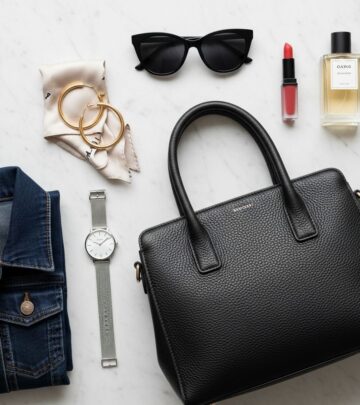
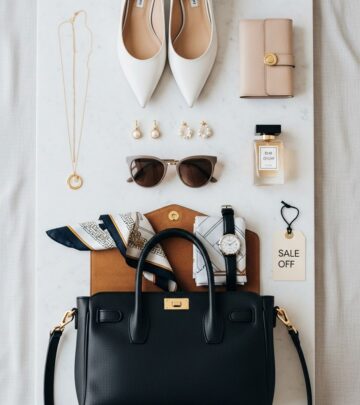
Luxury looks different for everyone. For one person it may be a designer handbag; for another, it might be business-class travel or a high-end spa retreat. The common thread is that luxury items are wants, not needs. They go beyond basic shelter, food, healthcare, and transportation.
Economists often define luxury goods as things where demand tends to grow faster than income and that are typically purchased after core needs and savings goals are met. Luxury can also be about quality, craftsmanship, exclusivity, or emotional value rather than price alone.
| Category | Examples of Luxury Items |
|---|---|
| Fashion & Accessories | Designer handbags, fine jewelry, luxury watches, premium shoes |
| Beauty & Wellness | High-end skincare, spa packages, personal retreats |
| Travel & Experiences | Business- or first-class flights, five-star hotels, exclusive tours |
| Tech & Lifestyle | Flagship smartphones, high-end audio, premium home décor |
There is nothing inherently wrong with wanting or buying luxury items. The key is to afford them in a way that does not compromise your financial stability.
Step 1: Get Your Financial Foundations In Place First
Before setting your sights on a luxury purchase, make sure the basics of your finances are solid. Government and consumer finance experts consistently emphasize that people should cover essential bills, build an emergency fund, reduce high-interest debt, and start saving for retirement before allocating money to discretionary purchases.
Cover Your Needs Before Your Wants
Your needs include housing, utilities, food, transportation, basic insurance, and healthcare. These are the items that keep your life stable. If you regularly struggle to pay these or rely on credit cards for them, luxury spending needs to wait.
Build An Emergency Fund
An emergency fund protects you from unexpected expenses like job loss, medical bills, or major car repairs. Many reputable sources suggest aiming for at least three to six months of essential expenses set aside in a readily accessible account.
- Start with a first milestone of $500–$1,000 if you are just beginning.
- Progressively build toward several months of living expenses.
- Keep this money separate from any luxury savings so you are not tempted to spend it.
Address High-Interest Debt
Paying double-digit interest on credit cards while also saving for a handbag or luxury trip usually works against your long-term wealth. Consumer protection agencies highlight that high-interest debt can compound quickly and erode your financial health.
- List all debts with balances and interest rates.
- Prioritize paying down high-interest debt (like credit cards) before major splurges.
- Continue making at least minimum payments on all debts as you aggressively target the most expensive ones.
Contribute To Long-Term Goals
Luxury should come after you’ve taken basic steps toward long-term security, such as retirement contributions or building savings for education and future housing. Even small, consistent contributions to tax-advantaged accounts can grow significantly over time thanks to compound interest.
Step 2: Define What Luxury Means To You
Not every trending item deserves a spot in your budget. You will enjoy luxury more if it aligns with your personal values and lifestyle instead of social pressure.
Create A Personal Luxury Wishlist
Instead of impulse buying, write down a wishlist of the key luxury items or experiences you truly want.
- List 5–10 items or experiences that excite you the most.
- Include estimated prices and why each one matters to you.
- Rank them by importance so you know what to focus on first.
Focus On Timeless, High-Use Pieces
For physical items, many style experts recommend prioritizing classic, versatile pieces over fleeting trends, especially when spending a lot. High-quality, timeless items can be worn for years, lowering their cost per use and reducing regret.
- Choose neutral colors and classic silhouettes for big-ticket fashion items.
- Aim for pieces that work with many outfits or occasions.
- Ask yourself: “Will I still love this in five years?”
Step 3: Build Luxury Into Your Budget
Affording luxury items responsibly means planning for them inside your budget. A budget is simply a plan for how you allocate your income across needs, goals, and wants.
Use A Simple Budgeting Framework
One commonly recommended approach is a variation of the 50/30/20 rule:
- 50% of your take-home pay for needs (housing, utilities, food, etc.).
- 20% for financial goals (savings, investments, debt payoff beyond minimums).
- 30% for wants and discretionary spending (including luxury).
You can adjust the percentages based on your situation, but the key idea is that luxury falls into the wants category and should not crowd out basic needs or long-term goals.
Create A Dedicated Luxury Line Item
Instead of vaguely “spending less,” be precise about what you will allocate toward luxury each month.
- Add a specific line in your budget labeled “Luxury Savings” or “Guilt-Free Splurges.”
- Decide on a set amount or percentage of your income to send there regularly.
- Treat it like a bill you pay to yourself, not an afterthought.
Step 4: Open A Separate Luxury Savings Account
Separating your luxury savings from your regular checking and emergency savings helps you avoid mixing everyday money with splurge money.
Why A Separate Account Helps
- Visually tracks your progress toward a specific item or trip.
- Makes it harder to dip into funds accidentally for impulse purchases.
- Creates a sense of intention and control around your luxury spending.
Automate Your Contributions
Automating savings is one of the most effective ways to hit a goal without relying on willpower alone.
- Set up an automatic transfer from your paycheck or checking account to your luxury savings account after every pay period.
- Increase the transfer when you get a raise, bonus, or windfall.
- Treat this as non-negotiable, just like rent or utilities.
Step 5: Use Time To Your Advantage
Waiting and planning for luxury purchases is not just about savings; it also gives you time to rethink whether you truly want the item.
Set A Target Date And Amount
For each item or experience on your wishlist:
- Research the total cost (including tax, shipping, and related expenses).
- Choose a realistic timeframe (for example, 6–18 months).
- Divide the total cost by the number of months to find your monthly savings target.
Use The Waiting Period As A Filter
If you lose interest in an item before you’ve saved enough, that’s a sign it may have been an impulse desire rather than a true priority. Crossing it off the list frees up money for something you will appreciate more.
Step 6: Be Strategic About How You Buy
Once you have the money saved, you can still spend thoughtfully and potentially reduce the total cost of your luxury purchase.
Look For Sales, Promotions, Or Pre-Owned Options
- Watch for seasonal sales, outlet locations, or authorized discount events.
- For some categories, consider high-quality pre-owned options from reputable sources.
- Compare total value, including warranties, authenticity guarantees, and return policies.
Pay In Full, In Cash (Not Credit Card Debt)
Using a credit card for convenience or rewards can be fine if you pay the entire balance in full when it is due. Carrying a balance and paying interest, especially on high-rate cards, dramatically increases the true cost of your luxury item.
- Pay from your dedicated luxury savings account.
- Avoid store financing with promotional rates unless you understand all terms.
- If you do use a card for points, transfer the cash from savings immediately so you can pay in full.
Step 7: Consider Renting Or Sharing Luxury
If you want to enjoy luxury items or experiences without the full cost of ownership, renting or sharing can be a smart compromise.
When Renting Makes Sense
- Outfits or accessories for one-time events like weddings or galas.
- Special-occasion handbags or jewelry you do not need year-round.
- Short-term experiences like vacation homes or cars rather than buying outright.
Renting allows you to experiment with different styles and brands, and to enjoy variety without long-term financial or storage commitments.
Step 8: Balance Luxury With Your Bigger Money Picture
Luxury is best enjoyed when it fits into a life that is financially grounded. That means revisiting your goals and spending patterns regularly.
Review Your Finances Periodically
- Check in monthly on your budget, savings, and debt balances.
- Confirm that luxury savings are not crowding out retirement or emergency contributions.
- Adjust your luxury target if your income or priorities change.
Use Luxury As Motivation, Not Pressure
Luxury goals can be motivating. Knowing you are saving for a special trip or piece can encourage better day-to-day decisions, like cooking at home more often or pausing smaller impulse buys. The key is that the desire inspires smart choices rather than guilt or comparison.
Frequently Asked Questions (FAQs)
Q: How do I know if I can truly afford a luxury item?
A: You can generally afford a luxury item if your essential bills are current, you have an emergency fund, you are contributing to long-term goals (like retirement), your high-interest debt is under control, and you are paying for the item from a dedicated savings fund without taking on new debt.
Q: Is it ever okay to buy luxury items on credit?
A: Using a credit card for convenience or rewards can be reasonable as long as you already have the cash saved and you pay the statement balance in full by the due date so you do not incur interest. Relying on credit because you do not have the money increases costs and can undermine your financial security.
Q: Should I invest in designer items instead of the stock market?
A: Most designer items should be treated as wardrobe or lifestyle purchases, not replacements for financial investments. Regulated investments like diversified stock funds are designed to grow your wealth over time and are generally more appropriate for long-term goals than fashion items.
Q: How much of my income is reasonable to spend on luxury?
A: There is no universal number, but many people use a guideline where 20–30% of take-home pay covers all wants, including luxury. Within that, you can decide how much to dedicate to luxury specifically, as long as essential expenses and savings goals are fully covered.
Q: What if I feel guilty every time I spend on something expensive?
A: Guilt often comes from spending that feels out of alignment with your goals or values. Creating a written plan, funding a separate luxury savings account, and making sure foundational goals are met first can help you enjoy luxury purchases with more confidence and less anxiety.
References
- Making a budget — Consumer Financial Protection Bureau. 2023-04-05. https://www.consumerfinance.gov/consumer-tools/budgeting/
- Credit card interest: How it works — Consumer Financial Protection Bureau. 2023-02-22. https://www.consumerfinance.gov/ask-cfpb/what-is-interest-on-a-credit-card-en-27/
- Household spending on goods and services — U.S. Bureau of Labor Statistics. 2023-09-08. https://www.bls.gov/cex/csxfaqs.htm
- Beyond GDP: Measuring what counts for economic and social performance — OECD. 2018-11-29. https://www.oecd.org/social/beyond-gdp-9789264307292-en.htm
- Investing Basics: Getting started — U.S. Securities and Exchange Commission. 2023-06-15. https://www.investor.gov/introduction-investing/investing-basics
Similar Articles








Read full bio of Sneha Tete