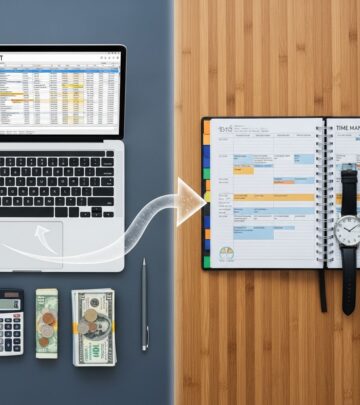
Add An Extra Hour To Your Day: 10 Practical Time Strategies
Discover practical strategies to reclaim lost time and boost productivity without working longer hours.

How to Add an Extra Hour to Your Day: Maximize Your Time and Productivity
Most people feel like there simply aren’t enough hours in the day to accomplish everything they need to do. Whether you’re juggling work responsibilities, family obligations, or personal projects, time seems to slip away faster than you can manage. But what if you didn’t actually need more time? What if you could simply use the time you have more effectively? By implementing strategic time management techniques and eliminating unnecessary activities, you can effectively add an extra hour to your day without sacrificing sleep or burning yourself out.
Track Your Time Spent
The foundation of better time management begins with understanding where your time actually goes. Most people have only a vague idea of how they spend their hours, which makes it impossible to identify where improvements can be made. By tracking your time for a week or two, you’ll gain valuable insights into your daily patterns and discover surprising time-wasters.
Start by documenting everything you do throughout the day in 15 or 30-minute intervals. Note not just the activity, but also your energy level and focus quality during that time. This creates a personal productivity map that shows your natural peak hours and your low-energy periods. Once you understand these patterns, you can strategically schedule demanding tasks during your most productive times and reserve routine tasks for when your energy naturally dips.
Consider using a Daily Productivity Heatmap tool, which is a simple 24-hour visual representation where you color-code each hour based on your productivity level. This visual approach makes it easier to spot patterns and identify the specific times when you’re most alert, creative, and capable of deep work.
Limit Unnecessary Spending of Time
Just as you wouldn’t spend money without knowing where it goes, you shouldn’t spend time without understanding the return on your investment. Time-wasting activities often disguise themselves as necessary or productive, when in reality they consume hours without delivering meaningful results.
Common time-wasters include:
- Constant email and social media checking throughout the day
- Attending meetings that don’t require your participation
- Multitasking on unrelated projects
- Allowing interruptions to derail your focus
- Engaging in unproductive web browsing or news consumption
- Perfectionism on routine tasks that don’t require it
- Disorganized workspaces that require searching for tools and documents
To limit these time-drains, establish specific times for checking email and social media rather than responding to every notification immediately. This batching approach can save 1-2 hours per day for many professionals. Similarly, evaluate your meeting commitments and decline or delegate attendance when your input isn’t essential. Set boundaries around your availability and train colleagues to respect your focus time.
Invest in Your Future Through Better Planning
Strategic planning is an investment in your productivity that pays dividends every single day. By dedicating 15 minutes each morning to reviewing your calendar and planning your day, you’ll work more efficiently and accomplish more with less wasted effort.
Effective planning involves:
- Identifying your most important task (MIT): Determine the one or two tasks that will have the biggest impact on your day. Start with these when your energy and focus are highest.
- Breaking large projects into smaller milestones: Instead of feeling overwhelmed by a massive project, identify specific, achievable steps you can complete today.
- Scheduling deep work blocks: Reserve uninterrupted time for tasks requiring full concentration. Protect these blocks fiercely from meetings and interruptions.
- Planning weekly, not just daily: Use Sunday evening to plan your entire week. Create an ambitious list for Monday, then distribute remaining tasks throughout the week based on your capacity.
- Setting up automated systems: Create email templates for common responses, set calendar reminders for recurring tasks, and automate routine administrative work.
This investment of 15 minutes each morning prevents the chaos of reactively responding to whatever demands your attention first, which typically results in wasting 1-2 hours of productive time daily.
Prioritize What Truly Matters
Not all tasks are created equal. Some activities move you toward your goals while others merely create the illusion of productivity. Learning to distinguish between these is critical for adding meaningful time back to your day.
Categorize your work into two types:
- Creative work: Tasks requiring focus, strategy, and original thinking (writing, design, planning, problem-solving)
- Routine tasks: Administrative work that’s necessary but doesn’t require peak mental performance (email, filing, routine meetings)
Schedule your best work hours—those times when you’re naturally most alert and capable—exclusively for creative work. Relegating creative tasks to your low-energy periods results in poor output quality and frustration. Conversely, use your lower-energy times for routine tasks that don’t require intense focus.
Additionally, recognize that productivity naturally cycles. You can’t function at maximum capacity all day, and attempting to do so leads to burnout. Instead, work with your natural rhythms by scheduling less-important activities (meetings, administrative reports, routine communication) during your naturally lower-energy times and days. This strategic approach ensures your peak productivity is directed toward what matters most.
Use Batch Processing to Reclaim Hours
Batch processing—grouping similar tasks together and completing them in designated blocks—is one of the most powerful techniques for recovering lost time. By consolidating repetitive tasks, you eliminate the mental switching costs and transition time that fragment your day.
Common activities to batch process include:
- Checking and responding to emails (specific times rather than continuously)
- Making phone calls (one dedicated session instead of scattered throughout the day)
- Administrative tasks (filing, expense reports, data entry)
- Social media engagement (one focused period rather than constant checking)
- Content creation (writing multiple posts or articles in one session)
- Errands and shopping (consolidate into one trip)
- Bill paying (one scheduled session monthly)
The efficiency gains from batch processing are substantial. By dedicating one focused block to a task, you eliminate the startup time required each time you switch contexts. Many people report doubling their output when they batch similar work—writing two articles instead of one, for example, when they have an uninterrupted block versus fragmented time.
To identify additional batch processing opportunities, take inventory of activities you spend at least 10 minutes on multiple times monthly. Look for consolidation opportunities specific to your lifestyle and work.
Plan for Fun and Personal Time
Counterintuitively, scheduling leisure time actually increases your overall productivity and adds time back to your day. When you plan fun activities, you create boundaries around work and improve your focus during working hours. Additionally, adequate rest and recreation prevent burnout, which allows you to sustain higher productivity long-term.
Schedule specific times for:
- Physical exercise (energy-boosting and essential for long-term health)
- Hobbies and personal projects
- Time with family and friends
- Relaxation and leisure
- A weekly planning session when you’re feeling motivated
When you know you have reserved leisure time, you’re less likely to waste productive work hours feeling resentful or depleted. You’ll also be more present during work because you’re not anxiously wishing you were doing something else. This psychological benefit translates to faster work completion and higher quality output.
Spend Time Mindfully and Intentionally
The quality of your time matters as much as the quantity. Spending time mindfully means being fully present and intentional with every hour, rather than drifting through your day on autopilot.
Implement these mindful time practices:
- Eliminate distractions during focus time: Silence notifications, close unnecessary browser tabs, and put your phone in another room during deep work blocks.
- Use a timer strategically: Time your tasks to discover how little time routine activities actually take. This builds confidence that you can accomplish more than you think. Use timers also to prevent tasks from expanding beyond reasonable time allocations.
- Work with your natural rhythms: Pay attention to when you naturally have high and low energy days. Schedule demanding work on high-energy days and mellow, administrative tasks on naturally lower-energy days.
- Start your day with momentum: Conquering your morning routine sets the tone for the entire day. Get up, complete your morning routine, and immediately tackle your most important task. Energy begets energy, and progress begets progress.
- Protect your peak hours: Don’t allow obligations, interruptions, or poor planning to steal your best working hours. Schedule your most important work during your personal peak productivity times.
By spending each hour intentionally rather than reactively, you’ll accomplish more meaningful work and feel less scattered and overwhelmed.
Optimize Your Morning Routine
How you spend your morning sets the trajectory for your entire day. A chaotic morning leads to a chaotic day, while a streamlined morning creates momentum and focus that carries through your work.
Time-saving morning strategies include:
- Preparing your clothes and workspace the night before
- Setting your coffee maker on a timer or preparing cold brew in advance
- Avoiding your phone first thing in the morning (no email, social media, or news—they can wait)
- Completing your most important task before checking any messages
- Batching morning routines to reduce time spent on individual tasks
- Getting started on work as early as possible after your morning routine
Many highly productive people report that waking early (even by just 30 minutes) provides uninterrupted time for their most important work before the day’s demands begin. This early start provides the psychological advantage of completing your MIT before reactive tasks pile up.
Create Systems for Recurring Tasks
Any task you do repeatedly should have a system or automation in place. Rather than reinventing the wheel each time, create templates, checklists, and automatic reminders that reduce decision-making and mental load.
Automation opportunities include:
- Email templates for common responses and communications
- Calendar reminders for recurring deadlines and tasks
- Bill pay automation for regular expenses
- Templates for routine reports or documents
- Automatic file organization systems
- Standard checklists for routine processes
By automating or templating routine tasks, you free up mental energy and time for work that actually requires your unique thinking and creativity.
Measure Your Results
After implementing these strategies, track whether you’ve genuinely reclaimed time. Document what you accomplish in a day before and after making changes. You should notice that you’re completing more meaningful work, feeling less stressed, and having more energy for both work and personal life.
The goal isn’t just to work harder—it’s to work smarter and more sustainably. When you work during your peak hours, eliminate time-wasters, batch similar tasks, and plan intentionally, you’ll be amazed at how much more you can accomplish without extending your working hours. In many cases, you can actually work fewer total hours while accomplishing more because your time is more efficiently allocated to high-impact activities.
Frequently Asked Questions
Q: How long does it take to see results from better time management?
A: You may notice improvements within a few days of implementing these strategies, but sustainable habit changes typically take 2-4 weeks to become automatic. Start with one or two strategies and add more once they’re established.
Q: What if my job involves constant interruptions and meetings?
A: Protect even one or two hours of your day for uninterrupted focus work. Communicate boundaries with colleagues and managers about your peak productivity hours. Schedule your most important work during these protected times and batch routine tasks around meetings.
Q: Can I really gain an extra hour every day?
A: Yes. Most people waste 1-2 hours daily on unnecessary email checking, social media, unproductive meetings, context-switching, and poor planning. By addressing these areas, you can easily recover 1-2 hours of productive capacity daily.
Q: What’s the best tool for tracking productivity?
A: Simple tools work best—a spreadsheet, a productivity heatmap, or even a notebook. The goal is awareness, not perfection. Choose whatever system you’ll actually use consistently.
Q: How do I maintain these productivity improvements long-term?
A: Build these practices into your routine by starting small, measuring results, and celebrating wins. Review your systems monthly and adjust as needed. Remember that productivity naturally cycles, so be flexible and compassionate with yourself during lower-energy periods.
References
- Finding Your Best Work Hours — Wise Bread. Accessed January 12, 2026. https://www.wisebread.com/finding-your-best-work-hours
- 10 Ways to Save Time With Batch Processing — Wise Bread. Accessed January 12, 2026. https://www.wisebread.com/10-ways-to-save-time-with-batch-processing
- 10 Productivity Hacks From a Work-at-Home Mom — Wise Bread. Accessed January 12, 2026. https://www.wisebread.com/10-productivity-hacks-from-a-work-at-home-mom
- How to Use Budgeting Skills to Improve Your Time Management — Wise Bread. Accessed January 12, 2026. https://www.wisebread.com/how-to-use-budgeting-skills-to-improve-your-time-management
- 16 Time-Saving Hacks for People With Busy Mornings — Wise Bread. Accessed January 12, 2026. https://www.wisebread.com/16-time-saving-hacks-for-people-with-busy-mornings
Similar Articles








Read full bio of medha deb