How Savvy Shoppers Cut Costs at Farmers Markets
Discover proven strategies to slash your grocery bill while enjoying fresh, local produce at farmers markets without overspending.
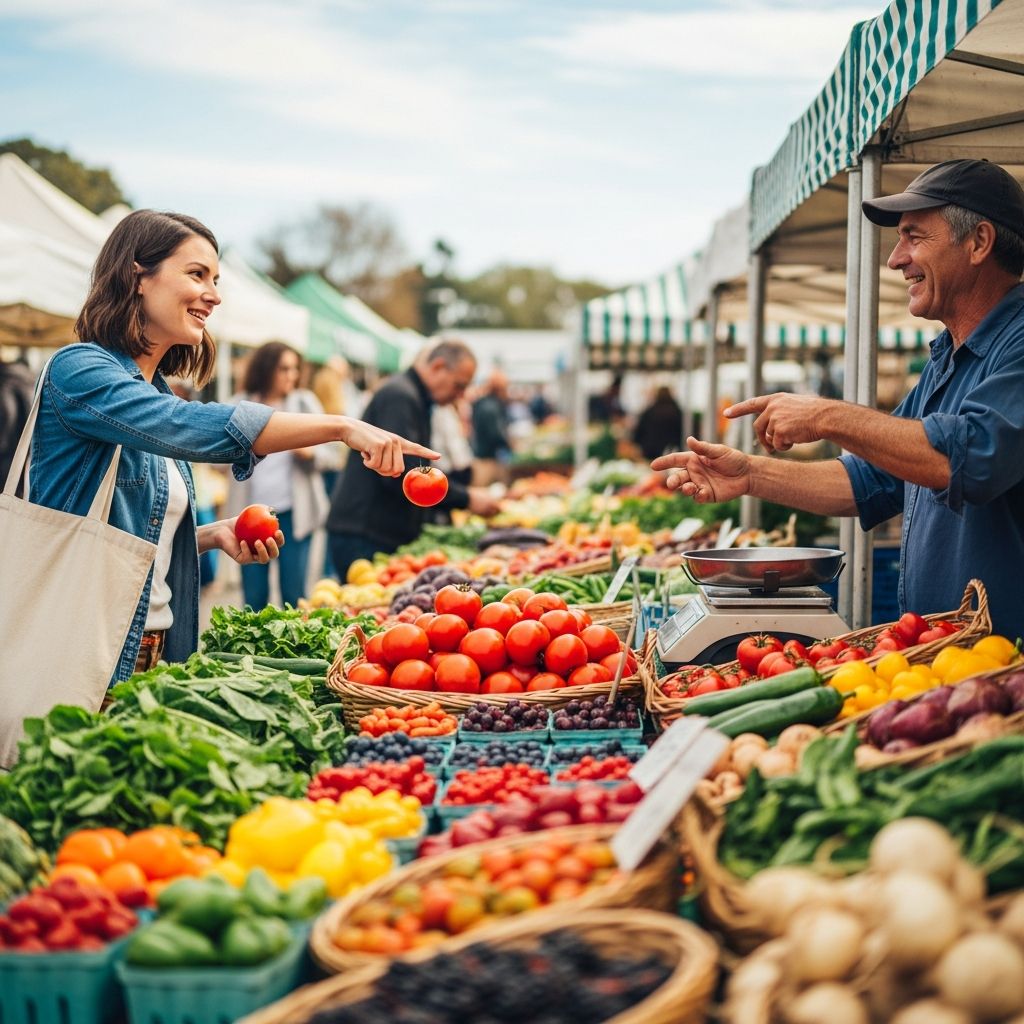
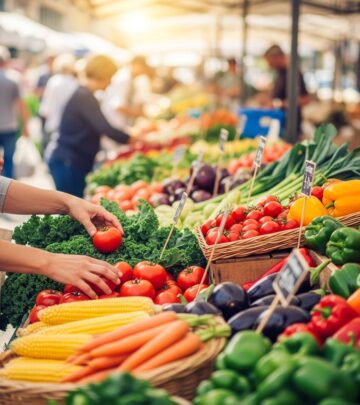
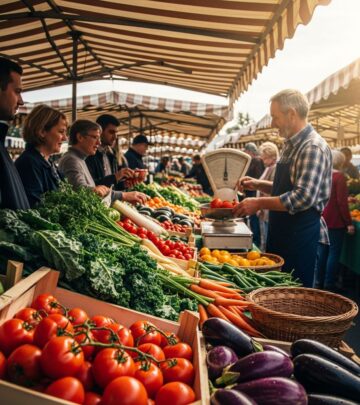
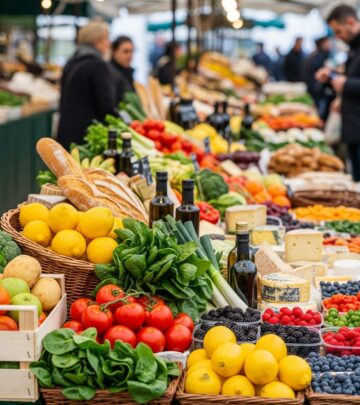
It’s easy to overspend while vibing with the zucchinis at farmers markets. The vibrant stalls brim with colorful, fresh produce that tempts even the most disciplined budgets. But clever buyers score the best stuff without draining their wallets or their reusable totes. By adopting smart strategies, you can enjoy high-quality, local foods at a fraction of grocery store prices. This guide covers essential tactics drawn from experienced shoppers and market experts to help you maximize value.
Buy In Bulk For Bigger Savings
Buying more often means paying less per pound. Most stallholders love moving large quantities quickly, and they may toss in extra items unprompted. Big orders get you remembered—sometimes rewarded with future discounts—and they’re ideal for freezing or splitting with neighbors. The more you buy, the more favors you earn. Just ask about bulk deals and see how much you can save.
Purchasing in larger quantities helps the pennies add up significantly. The trick is ensuring proper storage. If you have an extra freezer, buying bulk meats and veggies from local farmers is a smart option. A quick search reveals inexpensive local chest freezers, and investing in a vacuum sealer preserves freshness longer.
- Check for bulk pricing on staples like tomatoes, beans, or root vegetables.
- Ask vendors: “What’s the best deal for buying two pounds?”
- Freeze extras immediately to avoid waste.
- Split large hauls with friends or family to share costs and storage.
Bulk buying not only reduces your per-unit cost but also builds rapport with farmers, leading to insider deals over time.
Bring Cash And Small Bills
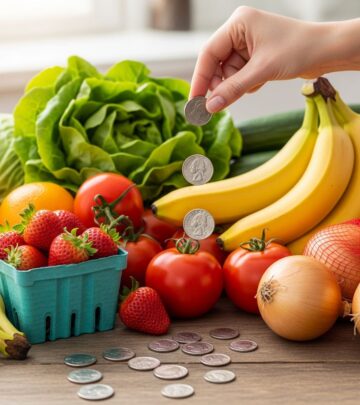
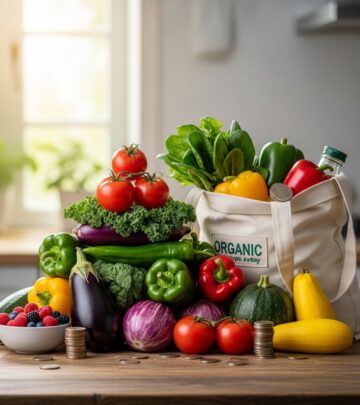
Cash still talks loudest at farmers markets. Vendors often give better prices for cash payments, especially since it saves them card processing fees that can eat into slim margins. Small bills and quarters prevent awkward change shortages, and near-exact amounts may trigger friendly discounts. Don’t count on digital payments everywhere—cash helps you stay within budget and opens doors to spontaneous savings.
Quarters are particularly prized. Farmers frequently run low on change, so arriving with rolls of quarters can score you free tomatoes, beans, or other bonuses. “You can often get great deals if you pay in quarters, especially at a Sunday market,” notes market advice from EatLocalGrown.com.
- Carry $50-100 in small bills and coins.
- Avoid cards to bypass 2-3% fees passed to you indirectly.
- Offer exact change for rapport-building perks.
Compare Prices Before Buying
One bunch of carrots could cost twice as much just a few stalls down, so take a full walk-through before committing. It usually takes under 10 minutes, but you might spot the best prices, bundle deals, or early markdowns. Savvy customers know the first stall isn’t always the cheapest. Scan the entire market, then spend strategically.
Visiting multiple vendors helps pinpoint who offers the best rates for specific items. For instance, one farmer might specialize in root vegetables at rock-bottom prices, while another excels in leafy greens. Over time, you’ll learn exactly who to visit first for zucchini, lettuce, or peaches.
| Produce Item | Avg Price Stall 1 | Avg Price Stall 5 | Savings Potential |
|---|---|---|---|
| Carrots (bunch) | $4 | $2 | 50% |
| Tomatoes (lb) | $5 | $3.50 | 30% |
| Lettuce (head) | $3 | $2 | 33% |
This comparison highlights why a quick lap pays off—simple price scouting can halve your bill.
Look For Bundle Deals
Bundles offer variety and value in one convenient package. Stallholders love selling mixed boxes to clear diverse stock quickly, passing savings directly to you. These curated deals often cost far less than piecemeal purchases. You’ll discover new favorites while stocking up efficiently.
Seek out “mystery boxes” or “end-of-day assortments” that combine surplus items at steep discounts. This tactic aligns perfectly with intuitive shopping, turning potential waste into your gain.
- Spot signs like “Fill a bag for $10” or “Mixed veggie box $15.”
- Perfect for soups, stews, or preserving.
- Supports farmers by reducing their unsold inventory.
Buy In-Season Only
Nature’s calendar is your best price guide—seasonal shopping is smart shopping. When harvests peak, prices plummet, and freshness peaks. Out-of-season items often travel far, hiking costs and diminishing flavor. Stick to local, ripe-now produce; it tastes superior, costs less, and bolsters nearby growers.
Use apps like Locavore to check what’s in season and which markets stock it. Intuitive cooking adapts recipes to abundance, minimizing waste. Ditch rigid lists; let availability inspire meals.
- Summer: Tomatoes, zucchini, berries.
- Fall: Squash, apples, root veggies.
- Avoid imports for 20-50% savings.
Avoid Pre-Packaged Produce
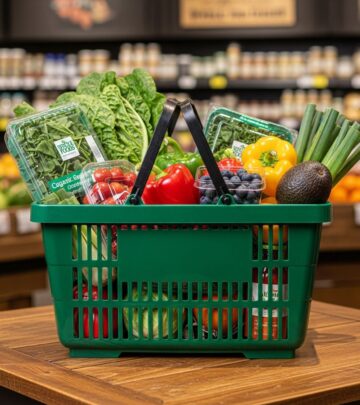
Skip pre-packed trays and dive into bulk bins. Loose items cost less per pound, letting you select the freshest pieces. Pre-packaging conceals bruises or mold you want to dodge, plus it generates unnecessary plastic waste. Choose exactly what suits your needs for optimal value.
This hands-on approach ensures quality control and often reveals seconds or imperfects at even lower prices.
Ditch Your List
Arriving with a rigid grocery list sets you up for disappointment and overspending. Markets fluctuate daily based on harvests. Instead, keep an open mind, browse freely, and build meals around what’s abundant and affordable. Shopper Brittany Haskell advises: “See what’s available and create recipes based on that.”
Registered dietician Nicole Cormier dubs this “intuitive cooking,” encouraging new vegetable uses to prevent waste. Apps enhance this by highlighting seasonal stars.
Choose Seconds
Not all food needs picture-perfect looks. Ask about “seconds”—veggies farmers won’t sell to restaurants but eat themselves. Slightly scarred, bruised, or oddly shaped produce sells at discounts yet retains full flavor and nutrition. Load up on these budget gems without compromising quality.
- Perfect for sauces, soups, or freezing.
- Saves 30-50% vs. premium stock.
- Reduces farm waste sustainably.
Barter And Build Relationships
Once you’ve connected with a farmer or two, explore trading non-food items for produce. Build rapport first—vendors barter more with familiar faces. Trade stockpile goods like cleaning supplies, paper products, or toiletries for fresh fruits and veggies, as suggested by Time 2 Save experts.
Regular visits foster loyalty; mention your name and past buys to unlock perks.
Go Regardless of the Weather
Farmers markets run rain or shine, but bad weather thins crowds. Seize these moments for deep discounts—farmers prefer sales over transport. Fewer people mean time to chat and bond, strengthening future deals. Rain, cold, or heat? That’s your cue.
Shop Late
Arriving in the last 30 minutes is a calculated gamble with high rewards. Selection slims, but vendors slash prices to avoid hauling goods home. Regulars snag best deals by rounding down or getting freebies on multiples. Propose: “What can you give me for $20?” to clear their stock mutually.
Consistency builds trust—show up late reliably, buy generously, and watch deals multiply.
Frequently Asked Questions (FAQs)
Q: Do farmers markets accept credit cards?
A: Many do via Square or similar, but cash often yields better deals by avoiding fees. Always carry small bills.
Q: Is produce at farmers markets cheaper than grocery stores?
A: Seasonal items yes, especially seconds or bulk. Compare and time visits for maximum savings.
Q: How do I store bulk buys?
A: Freeze meats/veggies, use vacuum sealers, or can jams. Invest in affordable chest freezers if needed.
Q: Can I haggle at farmers markets?
A: Direct haggling is rare, but bulk asks, bartering, or late deals work well. Build relationships first.
Q: What’s the best app for market shopping?
A: Locavore shows seasonal items and market inventories for intuitive, budget-friendly picks.
References
- How to Shop at Farmers Markets and Cut Your Food Budget — The Penny Hoarder. 2023-06-15. https://www.thepennyhoarder.com/save-money/eat-local-and-save-shopping-at-farmers-markets/
- How Savvy Shoppers Cut Costs At Farmers Markets — The Penny Hoarder. 2024-05-20. https://www.thepennyhoarder.com/save-money/how-savvy-shoppers-cut-costs-at-farmers-markets/
- How to Be Budget-Friendly at the Farmers Market + 10 Cheap Recipes — Sharon Palmer, RDN. 2023-08-10. https://sharonpalmer.com/how-to-be-budget-friendly-at-the-farmers-market-10-cheap-farmers-market-recipes/
- USDA Farmers Market Directory — United States Department of Agriculture. 2025-01-01. https://www.ams.usda.gov/local-food-directories/farmersmarkets
- Local Food Marketing Practices Study — USDA Agricultural Marketing Service. 2022-11-15. https://www.ams.usda.gov/sites/default/files/media/LocalFoodMarketingPractices2022.pdf
Similar Articles








Read full bio of Sneha Tete