How Retailers Manipulate You Into Spending
Discover the psychological tactics retailers use to make you spend more money than planned.

Whether you’re browsing the aisles of a physical store or scrolling through an online retailer’s website, you’re constantly exposed to carefully engineered tactics designed to influence your purchasing decisions. Retailers invest substantial resources in understanding consumer psychology and leveraging that knowledge to encourage spending. Understanding these manipulation strategies is the first step toward becoming a more conscious, intentional shopper who can resist unwanted purchases and stick to a budget.
The Psychology Behind Retail Manipulation
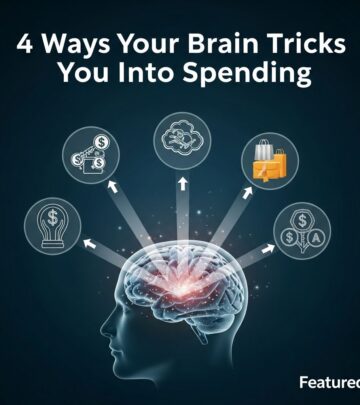
Retailers recognize that your purchasing decisions are influenced by far more than product quality or genuine need. They understand that sensory experiences, emotional states, and subtle psychological triggers all play significant roles in how you spend your money. Both physical retailers and e-commerce companies employ sophisticated methods to appeal to your senses and emotions, making it difficult for you to make rational financial decisions.
According to research in consumer behavior, when shoppers feel good about their environment and experience, they are more willing to spend money and less likely to question prices. This is why retailers invest heavily in creating specific atmospheres and experiences that make spending feel natural and justified.
In-Store Manipulation Tactics
Strategic Store Layout and Ambiance
Physical retail environments are meticulously designed to manipulate your behavior. Store layouts are engineered to keep you inside as long as possible, and research shows that the longer you stay in a store, the more money you’re likely to spend. Every element—from lighting to music to scent—is carefully chosen to influence your mood and purchasing decisions.
High-quality furnishings, strategic lighting, and carefully selected scents create an atmosphere that makes premium prices seem more reasonable. When all of your senses are being subtly manipulated, you’re more willing to overlook higher price tags and justify purchases you might otherwise question.
The Food Court Strategy
One particularly effective tactic is the placement of food vendors and snack bars throughout shopping centers. According to Michael Niemira, vice president of research and chief economist for the International Council of Shopping Malls, if people aren’t rushing home for lunch or can satisfy a hungry child without leaving the mall, they’ll remain in the shopping environment longer. This extended time naturally leads to increased spending. Hungry and tired shoppers are also more susceptible to impulse purchases, as their willpower and judgment are diminished.
Product Display and Social Influence
Store displays are strategically arranged to prompt purchases of more expensive items than you originally intended. When you see a range of products displayed side-by-side, you naturally upgrade your expectations. Shopping with friends amplifies this effect—social pressure from companions who are purchasing items makes it harder to resist buying, and it eliminates the opportunity to comparison shop thoughtfully before making decisions.
Salesperson Pressure
Sales staff are trained to influence your decisions and upsell products. When approached by a salesperson who demonstrates various options, shoppers often feel pressured to make a purchase before completing their research. Salespeople frequently guide consumers toward more expensive options than they would choose independently, leveraging both urgency and social pressure to close sales.
Online Retail Manipulation Strategies
The Power of the Word “Free”
Online retailers exploit the psychological impact of the word “free.” The term seems to short-circuit rational thinking, causing shoppers to make irrational decisions. One of the most common examples is free shipping thresholds. Retailers calculate the exact dollar amount needed to qualify for free shipping, then strategically present this to you with an item you didn’t originally intend to purchase.
You might add a $12 item you’re unsure about to your cart just to save $4 in shipping costs—a trade-off that makes no financial sense. However, the psychological power of the word “free” overrides this basic math. Recognizing that “free shipping” is not actually free, but rather a $4 subsidy you’re purchasing by spending $12, can help counteract this manipulation.
Removing Friction from Purchases
Online retailers deliberately eliminate barriers between you and your money. Most sites offer the convenient option of storing your credit card information, eliminating the need to retrieve your wallet for each purchase. Some retailers, particularly Amazon, take this a step further with one-click ordering technology.
One-click purchasing allows you to move from discovering a product to owning it in mere seconds—from browsing to desire to purchase instantaneously. While you can technically reverse these purchases, the process is deliberately cumbersome and inconvenient. Many consumers find it easier to simply accept the charge than navigate the return process, making impulse purchases more likely to stick.
Creating Artificial Urgency
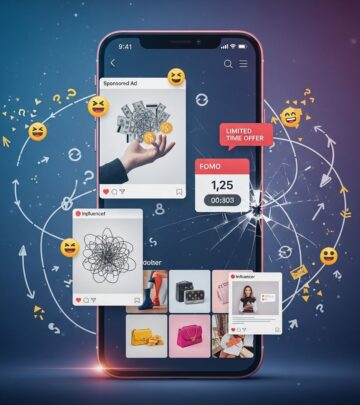
Online retailers create artificial time pressure through limited-time offers, countdown timers, and scarcity messaging. These tactics force you to react rather than think. The strategy exploits the space between thought and action—that critical moment when you can pause and consider whether a purchase aligns with your actual needs and budget.
In reality, most purchasing decisions don’t require immediate action. Waiting 24 hours to make a decision won’t result in significant consequences for the vast majority of purchases. However, the artificial urgency created by limited-time availability prevents you from taking this pause and making conscious, deliberate choices.
The Sensory Manipulation Factor
Retailers understand that sensory experiences profoundly influence spending behavior. One striking example comes from branding expert Martin Lindstrom’s research: when an appliance store was filled with the scent of apple pie, sales on ovens and refrigerators increased by 23 percent. This demonstrates the power of olfactory manipulation to influence purchasing decisions—customers were more willing to buy premium appliances when in a positive emotional state created by pleasant scents.
Music, lighting, and visual displays all contribute to this sensory manipulation. When your environment feels pleasant and comfortable, you’re more inclined to linger longer and make purchases you might otherwise avoid.
Personal Shopping Habits That Increase Spending
Brand Loyalty and Convenience
Many shoppers develop habitual purchasing patterns that result in regularly overpaying. You might consistently purchase coffee from the same shop or groceries from the same store without ever comparing prices elsewhere. While routine provides comfort, this comfort comes at a financial cost. Breaking shopping habits requires conscious effort, but the savings can be substantial.
Impulse Buying Vulnerability
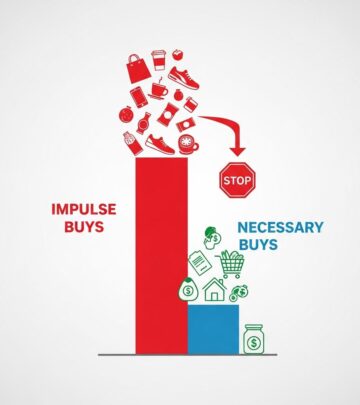
Your likelihood of making impulse purchases increases significantly when you’re hungry, tired, distracted, or physically uncomfortable. These states lower your impulse control and increase your tendency to reward yourself with immediate gratification. Shopping under less-than-ideal circumstances makes you more vulnerable to manipulation and more likely to make purchases you’ll later regret.
Pre-Selected Brand Preferences
Once you decide you want a particular brand, you often don’t consider less expensive alternatives, even if they’re comparable in quality. Retailers exploit this by prominently promoting popular and more expensive brands, making it easy to overlook budget-friendly options. You decide what you want before knowing the price, then justify any cost as necessary for that preferred brand.
Key Strategies to Resist Retail Manipulation
Plan Before You Shop
The most effective defense against retail manipulation is to make purchasing decisions before entering a store or visiting an online retailer. When you’ve already determined what you need and how much you’re willing to spend, you’re far less susceptible to in-the-moment manipulation tactics. This approach gives you time to think critically and see through retail strategies.
Slow Down Your Purchase Process
Rather than using one-click purchasing or making snap decisions, deliberately slow down the buying process. Give yourself multiple opportunities to reconsider by asking: “Do I really need this?” “Can I find it at a better price?” “Can I afford this without compromising my budget?” This pause allows judgment to enter the space between thought and action.
Create Awareness of Triggers
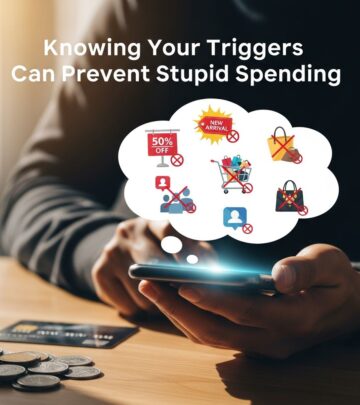
Understand what emotional and physical states make you vulnerable to impulse purchases. Avoid shopping when hungry, tired, stressed, or emotionally vulnerable. When you must shop, be conscious of the sensory environment and how it’s designed to influence your mood and decisions.
Comparison Shop Deliberately
Don’t accept the convenience of purchasing from the first available option. Take time to compare prices across multiple retailers and websites. While this requires more effort, the savings can be significant and the practice naturally slows down purchasing decisions.
Common Spending Traps and How to Avoid Them
| Spending Trap | How It Works | How to Avoid It |
|---|---|---|
| Free Shipping Thresholds | Adding unwanted items to reach free shipping qualification | Calculate actual cost per item and compare to shipping fees |
| One-Click Purchasing | Impulse buying enabled by minimal friction | Disable one-click; require multiple steps for purchases |
| Limited-Time Offers | Artificial urgency preventing thoughtful decisions | Wait 24 hours before purchasing; verify offer legitimacy |
| Social Pressure | Friends’ purchases encouraging you to buy | Shop independently; take time to comparison shop |
| Sensory Environment | Pleasant store atmosphere encouraging spending | Be aware of how scents, music, lighting influence you |
| Impulse Buying States | Reduced willpower when hungry, tired, or stressed | Shop when well-fed, rested, and emotionally stable |
Frequently Asked Questions
Q: Why do retailers use the word “free” so much?
A: The word “free” triggers psychological responses that override rational thinking. Consumers will make financially illogical decisions to obtain something labeled “free,” even when the actual cost makes no sense. Recognizing this cognitive bias helps you make more rational purchasing decisions.
Q: How can I resist impulse buying online?
A: Don’t use one-click purchasing; require yourself to go through multiple screens before completing a purchase. Add items to your cart but wait 24 hours before buying. Make your shopping list before visiting websites. Set spending limits and track them carefully.
Q: What’s the best time to shop?
A: Shop when you’re well-fed, rested, and emotionally calm. Avoid shopping when hungry, tired, stressed, or seeking emotional comfort. Shopping in these states significantly increases impulse purchases and overspending.
Q: How does store layout affect spending?
A: Retailers deliberately design store layouts to keep you shopping longer because increased time in-store leads to increased spending. Understanding this tactic allows you to shop more efficiently and limit time spent in manipulative retail environments.
Q: Can sensory elements really influence my purchasing decisions?
A: Yes, significantly. Research shows that pleasant scents, lighting, and music all influence mood and purchasing behavior. Even subtle environmental cues like the scent of apple pie can increase sales by over 20 percent, demonstrating the powerful influence of sensory manipulation.
Q: Is it better to shop online or in physical stores to avoid manipulation?
A: Both environments use manipulation tactics, just different ones. Online retailers use urgency, one-click purchasing, and “free” messaging, while physical stores use sensory manipulation, layout design, and social pressure. The best approach is to be aware of manipulation tactics in both environments and plan purchases deliberately before shopping.
References
- How Retailers Manipulate You Into Spending — Wise Bread. 2024. https://www.wisebread.com/how-retailers-manipulate-you-into-spending
- 10 Reasons You Probably Overpaid at the Store — Wise Bread. 2024. https://www.wisebread.com/10-reasons-you-probably-overpaid-at-the-store
- International Council of Shopping Malls Research — Michael Niemira, Vice President of Research and Chief Economist. 2024. https://www.icsc.org
- Consumer Psychology and Sensory Marketing Research — Martin Lindstrom, Branding Expert. 2024. https://www.martinlindstrom.com
Similar Articles








Read full bio of medha deb