How Pet Insurance Works for Today’s Pet Owners
Understand how pet insurance works, what it covers, what it excludes, and how to choose the right plan for your dog or cat.
Pet insurance is designed to protect you from high and unexpected veterinary bills by reimbursing you for covered medical expenses when your dog or cat gets sick or injured. Understanding how it works can help you decide whether a policy makes sense for your household and how to choose the right coverage.
What Is Pet Insurance?
In simple terms, pet insurance is a health insurance policy for your pet that reimburses you for a portion of eligible veterinary costs. Unlike human health insurance, most pet insurance plans work on a reimbursement basis: you typically pay the vet bill in full, then submit a claim to your insurer and get a percentage of the covered costs back.
In the United States, pet insurance is generally classified as a type of property and casualty insurance, with your pet considered the insured “property” for regulatory purposes. Policies are offered mainly for dogs and cats, though some providers also insure other species such as birds or exotic pets.
How Pet Insurance Works Step by Step
While details vary by company, pet insurance usually follows a consistent pattern from enrollment to claim payment.
- 1. Choose a policy – You pick the type of coverage (such as accident-only or accident-and-illness) and customize your deductible, reimbursement rate, and annual or per-incident coverage limits.
- 2. Pay premiums – You pay a monthly or annual premium to keep your policy active, similar to renters or auto insurance.
- 3. Wait through waiting periods – Most policies include short waiting periods before coverage starts (commonly a few days for accidents and longer for illnesses).
- 4. Visit any licensed vet – Most plans use a fee-for-service model and allow you to see any licensed veterinarian, emergency clinic, or specialist in the country.
- 5. Pay the vet bill – You typically pay the full invoice directly to the veterinary clinic at the time of service.
- 6. Submit a claim – You submit your claim, often through an app or online portal, along with the itemized invoice and medical records as required.
- 7. Get reimbursed – The insurer reviews the claim, applies your deductible, reimbursement percentage, and any limits, and then sends you payment for the covered portion of the bill.
Key Parts of a Pet Insurance Policy
Before buying pet insurance, it is essential to understand the main components that determine how much you will pay and how much you can receive back when your pet needs care.
Premium
The premium is the price you pay to keep your pet insurance policy in force, usually charged monthly or annually. Premiums vary by company and depend on factors such as your pet’s species, breed, age, location, and the benefit levels you choose.
- Higher coverage levels (low deductibles, high reimbursement rates, high limits) generally mean higher premiums.
- Lower coverage levels (high deductibles, lower reimbursement, lower limits) typically lead to lower premiums but more out-of-pocket cost when you claim.
Deductible
The deductible is the amount you must pay out of pocket for covered services before your insurance starts to reimburse you. Once your deductible is satisfied, the policy pays its share of further covered expenses for the remainder of the coverage period, subject to reimbursement rate and limits.
Common deductible structures include:
- Annual deductible – You pay a set deductible once per policy year, regardless of how many separate incidents your pet experiences. This is the most common format.
- Per-incident (or per-condition) deductible – A separate deductible applies to each new accident or illness. If your pet develops multiple unrelated conditions in one year, you may pay several deductibles.
In general, selecting a higher deductible reduces your premium, while a lower deductible raises it.
Reimbursement Rate
The reimbursement rate is the percentage of covered costs the insurer pays after you have met your deductible. Common options include 70%, 80%, or 90%, depending on the provider.
- If a covered bill is $1,000 and your reimbursement rate is 80% after the deductible, the insurer would reimburse $800 and you would be responsible for $200, plus any amount applied to the deductible.
- Higher reimbursement rates mean more money back on eligible claims but usually come with higher premiums.
Coverage Limits
Most pet insurance plans include limits on how much they will pay, either annually, per incident, or over the lifetime of the policy.
| Type of Limit | How It Works | Impact on You |
|---|---|---|
| Annual limit | Maximum the insurer will reimburse in a policy year (for example, $5,000 or $10,000). | Once you reach the annual cap, you pay all remaining vet bills for that year. |
| Per-incident limit | Maximum the insurer will pay for each separate accident or illness. | Large or prolonged conditions can exceed the limit, leaving additional costs to you. |
| Lifetime limit | Maximum benefit the insurer will pay over your pet’s lifetime for covered care. | Once the lifetime cap is met, the condition or entire policy may no longer pay benefits. |
What Does Pet Insurance Typically Cover?
Coverage depends on the type of policy and the specific insurer, but many accident-and-illness plans cover a broad range of veterinary services that are medically necessary.
- Accidents and injuries – Broken bones, lacerations, bite wounds, car accidents, foreign body ingestion, and other injuries.
- Illnesses – Infections, gastrointestinal issues, respiratory diseases, kidney or liver problems, diabetes, and many other conditions that arise after enrollment.
- Serious and chronic conditions – Many policies help pay for cancer treatments, heart disease, arthritis, and other long-term illnesses, subject to terms and waiting periods.
- Diagnostics – X-rays, blood tests, ultrasounds, and other diagnostic procedures needed to identify health problems.
- Surgery and hospitalization – Anesthesia, surgery, hospital stays, and related care.
- Prescription medications – Drugs prescribed by a veterinarian to treat covered conditions, sometimes as an optional add-on.
- Emergency and specialist care – Visits to emergency clinics or veterinary specialists, often at the same reimbursement level as general practice visits.
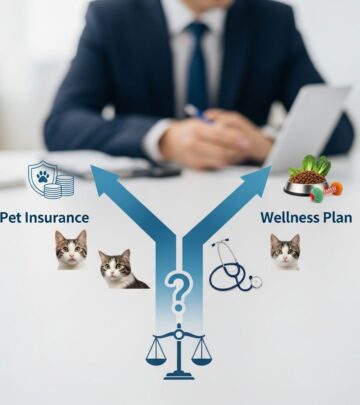
Some companies also offer optional wellness or preventive care packages that contribute toward routine services such as vaccinations, flea and tick prevention, or annual checkups, usually for an added premium.
Common Exclusions and Limitations
Just as important as what is covered is understanding what pet insurance typically does not cover. Exclusions can vary by provider, but certain limitations are common across the industry.
- Pre-existing conditions – Illnesses or injuries that first showed signs or were diagnosed before the policy started or during a waiting period are usually excluded. Some providers may later cover curable conditions after a symptom-free period, but chronic issues are often permanently excluded.
- Routine and preventive care – Standard wellness services such as vaccinations, dental cleanings, spay/neuter, and parasite prevention are typically excluded from basic accident-and-illness plans unless you buy a wellness add-on.
- Cosmetic or elective procedures – Procedures performed for cosmetic reasons or that are not medically necessary are usually not covered.
- Breeding, pregnancy, and whelping – Many policies exclude costs associated with breeding and pregnancy care.
- Non-veterinary costs – Licensing fees, taxes, boarding fees, and similar non-medical expenses are normally not reimbursable.
- Waiting period conditions – Illnesses or injuries that occur during the mandatory waiting period after enrollment are often excluded permanently or for a set time.
Types of Pet Insurance Plans
When shopping for coverage, you will typically encounter three main types of pet insurance plans, as well as optional riders that can be added for extra benefits.
- Accident-only – Covers injuries from accidents such as car collisions, falls, or bite wounds. This option is generally cheaper but does not cover illnesses like infections or cancer.
- Accident-and-illness – The most common comprehensive plan, covering both accidental injuries and a wide range of illnesses, subject to policy terms.
- Wellness or preventive care add-ons – Optional packages that help with routine care costs such as vaccinations, annual exams, and screening tests, often as a separate rider.
Insurers may also distinguish between policies for dogs and for cats, with differences in pricing, covered benefits, and age eligibility, reflecting species-specific health risks and life expectancy.
How Claims and Reimbursement Work
Although interfaces vary by company, claim processing generally follows a similar pattern built around reimbursement rather than direct billing.
- Pay your vet – At checkout you pay the veterinarian’s invoice in full, either in cash, by card, or via financing.
- Submit your claim – Using the insurer’s website, app, or email, you send an itemized invoice and any required medical notes.
- Insurer reviews the claim – The company confirms that the treatment is covered, checks for exclusions such as pre-existing conditions, and applies your deductible, reimbursement percentage, and any relevant limits.
- Receive reimbursement – If the claim is approved, the insurer sends you payment—often via direct deposit or mailed check—up to the covered amount.
Some providers advertise relatively fast turnaround times, often around a week, once all documentation is complete, though this can vary by case complexity.
How Much Does Pet Insurance Cost?
Premiums for pet insurance vary based on many factors, including your pet’s species, breed, age, and where you live, as well as the coverage you select. Regulatory data show that average premiums in the United States are higher for dogs than for cats, reflecting differences in typical claim amounts.
Factors that influence your cost include:
- Species and breed – Dogs generally cost more to insure than cats; certain breeds prone to hereditary conditions may also carry higher premiums.
- Age – Premiums typically increase as pets age and become more likely to develop health issues.
- Location – Veterinarian fees vary by region, and premiums often reflect local cost of care.
- Coverage choices – Lower deductibles, higher reimbursement rates, and higher limits raise monthly costs, while leaner coverage reduces them.
- Optional add-ons – Wellness or prescription riders, if offered, add to the total premium.
Pros and Cons of Pet Insurance
Whether pet insurance is worthwhile depends on your financial situation, your pet’s health risk, and your comfort with potential out-of-pocket expenses for emergencies.
| Potential Benefits | Possible Drawbacks |
|---|---|
|
|
How to Choose the Right Pet Insurance Plan
Selecting a policy is easier if you start with your pet’s needs and your budget, then compare specific terms offered by different insurers.
- Assess your risk tolerance – Consider how you would handle a large, unexpected vet bill without insurance. If that would be difficult, more comprehensive coverage may make sense.
- Decide on policy type – If you mainly worry about emergencies, an accident-only plan could be enough. If you want broader protection, an accident-and-illness plan offers more comprehensive coverage.
- Compare deductibles and reimbursement rates – Higher deductibles and lower reimbursement percentages reduce premiums but increase your share of each claim.
- Review coverage limits – Check annual, per-incident, and lifetime caps, especially if you want protection against very high-cost treatments.
- Read exclusions carefully – Pay close attention to how the policy defines pre-existing conditions, waiting periods, breed-specific exclusions, and any limitations around chronic or hereditary diseases.
- Check age and enrollment rules – Some insurers restrict new enrollments for older pets or impose different rules for dogs and cats.
- Look at claim process and support – Consider how easy it is to file claims, average reimbursement times, and customer service availability.
Frequently Asked Questions (FAQs)
Q: Can I use any veterinarian with pet insurance?
A: Most pet insurance policies in the United States allow you to visit any licensed veterinarian, including general practices, emergency hospitals, and specialists, because they operate on a fee-for-service reimbursement model rather than a provider network.
Q: Are pre-existing conditions ever covered?
A: In general, pre-existing conditions are excluded from coverage, meaning illnesses or injuries that show signs or are diagnosed before enrollment or during the waiting period are not reimbursed. However, some insurers may cover certain curable conditions if your pet has been symptom-free for a specified time, so it is important to review each company’s definition.
Q: Is pet insurance worth it for indoor-only pets?
A: Indoor pets may have lower risk of some injuries or contagious diseases, but they can still develop serious illnesses such as cancer, kidney disease, or diabetes that require costly treatment. Pet insurance can help manage those potential expenses, though the value will depend on premiums, coverage, and your financial readiness to pay out of pocket.
Q: What is the difference between accident-only and accident-and-illness plans?
A: Accident-only plans cover injuries from events like falls, car accidents, or bite wounds but do not pay for illnesses. Accident-and-illness plans cover both injuries and a wide range of diseases, including chronic and serious conditions, subject to policy terms and exclusions.
Q: How soon can I file a claim after buying a policy?
A: You can generally submit a claim once your policy is active and the waiting periods for the relevant type of care (accident or illness) have passed. Waiting periods are set by the insurer and are typically short—often a few days for accidents and longer for illnesses.
References
- How Does Pet Insurance Work? — ASPCA Pet Health Insurance. 2024-02-01. https://www.aspcapetinsurance.com/research-and-compare/pet-insurance-basics/how-does-pet-insurance-work/
- How Does Pet Insurance Work & What Is Covered? — Pawlicy Advisor. 2023-11-10. https://www.pawlicy.com/blog/what-is-pet-insurance/
- Pet Insurance: What is it & How Does it Work? — GEICO Insurance. 2024-01-05. https://www.geico.com/information/aboutinsurance/pet/
- How Does Pet Insurance Work? — Embrace Pet Insurance. 2023-09-18. https://www.embracepetinsurance.com/research/how-does-pet-insurance-work
- Pet Insurance — Massachusetts Division of Insurance (Mass.gov). 2022-08-30. https://www.mass.gov/info-details/pet-insurance
Similar Articles








Read full bio of medha deb