How Often to Compare Home Insurance Quotes
Discover the ideal frequency for shopping homeowners insurance to secure optimal rates and coverage tailored to your evolving needs.
Regularly evaluating your homeowners insurance options is essential for maintaining cost-effective protection as property values, risks, and personal circumstances evolve. Homeowners who compare quotes at strategic intervals often uncover significant savings and enhanced coverage without compromising security.
Why Periodic Comparison Matters for Your Wallet and Protection
Home insurance premiums fluctuate due to market dynamics, regional risk assessments, and individual policy adjustments. Failing to shop around can result in overpaying by hundreds of dollars annually, as competitors frequently offer better introductory rates or tailored discounts. Industry data reveals that proactive shoppers secure lower rates even without major life changes, emphasizing the value of routine vigilance.
Moreover, insurance needs aren’t static. What sufficed last year may fall short today due to inflation-driven rebuilding costs or new vulnerabilities like climate-related perils. Annual reviews ensure your policy aligns with current realities, preventing coverage gaps that could prove costly during claims.
Recommended Frequency: Make It an Annual Habit
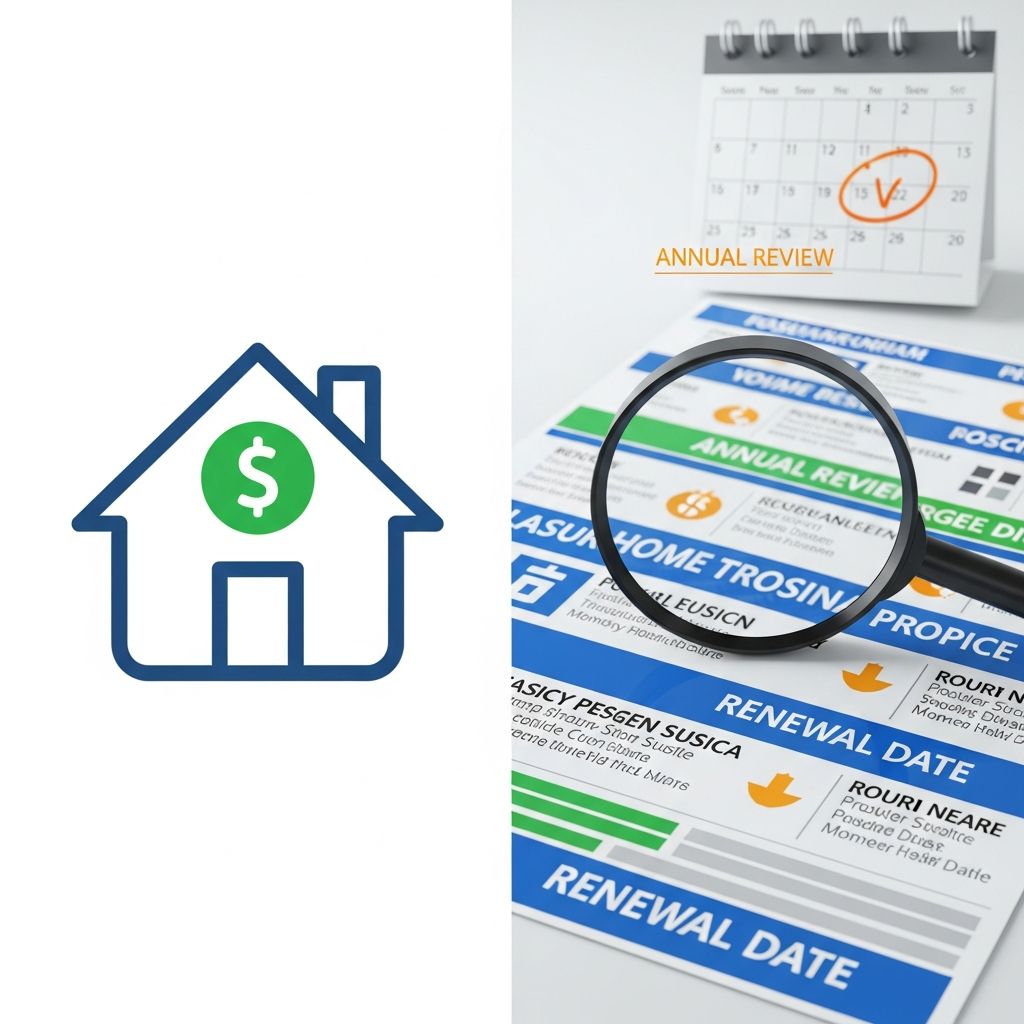
Experts advocate reviewing your homeowners insurance at least once per year, ideally coinciding with your policy renewal date. This timing allows seamless transitions without lapses and leverages renewal notices as prompts for competitor quotes. Data from recent market analyses shows shopping rates for home insurance hovering around 6.6% quarterly, indicating room for more homeowners to engage actively.
- Align with renewal: Most policies renew every 6-12 months, providing a natural checkpoint.
- Year-end financial review: Bundle this into broader budgeting to spot bundling opportunities.
- Aim for 3-5 quotes: This range offers a balanced view of market rates without overwhelming effort.
Beyond routine checks, certain triggers demand immediate comparison to capture savings or adjust coverage promptly.
Key Triggers Prompting Immediate Insurance Shopping
Life events and property changes can dramatically alter your risk profile and premium calculations. Addressing these swiftly prevents under- or over-insurance.
Purchasing a New Home
When buying property, insurance is mandatory for closing. Start shopping 30-60 days prior to gather quotes reflecting the home’s specifics, like construction year and square footage. Mortgage lenders often mandate minimum coverage, but comparing carriers ensures compliance at the best price.
Home Improvements or Renovations
Upgrades such as new roofs, pools, or security systems impact rates variably. Premiums may rise for high-risk additions like trampolines but drop for protective features like impact-resistant windows. Requote post-project to recalibrate dwelling coverage based on updated replacement costs.
| Improvement Type | Potential Rate Impact | Action Step |
|---|---|---|
| Hail-resistant roofing | Decrease (5-15%) | Document and submit for discount |
| Swimming pool | Increase (10-20%) | Add liability endorsement |
| Smart home security | Decrease (up to 10%) | Verify carrier discounts |
| Kitchen remodel | Variable (reassess value) | Update replacement cost estimate |
Bundling with Auto or Other Policies
Switching car insurance? Request home quotes from the same providers. Multi-policy discounts typically shave 10-25% off combined premiums, often yielding superior overall value. This synergy is a top savings tactic, accessible even mid-term.
Changes in Household or Risks
New occupants, like adult children or tenants, or heightened risks from nearby construction warrant requoting. Similarly, post-claim scenarios or credit improvements (where applicable) can unlock better terms.
Mastering the Art of Effective Quote Comparison
Online tools simplify gathering quotes, but success hinges on apples-to-apples evaluations. Prepare key details upfront for accuracy.
- Property specs: Build year, size, materials.
- Current policy: Limits, deductibles, riders.
- Lender requirements: Minimum coverage amounts.
- Rebuilding cost: Use calculators for current estimates, as averages hit $2,424 yearly amid rising costs.
Prioritize financial strength ratings and customer reviews alongside price. Seek perks like extended replacement cost or identity theft coverage included standard in some policies.
Navigating Policy Switches Mid-Term
Most carriers permit cancellation anytime with prorated refunds for unused premiums, debunking myths of locked-in terms. Check for short-rate penalties, which apply if switching without a new policy. Timing switches near renewal minimizes fees.
Discounts and Strategies to Amplify Savings
Beyond shopping, layer discounts for compounded benefits.
- Bundling: Home + auto yields the largest cuts.
- Claims-free: Loyalty perks for accident-free records.
- Protective devices: Alarms, sprinklers reduce perceived risk.
- New home: Credits for recently built structures.
- Smart home tech: Discounts via partnered ecosystems.
Consumer guides from regulators stress comparing not just price but coverage depth and affordability of deductibles.
Frequently Asked Questions (FAQs)
How many quotes should I get when shopping for home insurance?
Target 3-5 from reputable carriers to gauge market variance effectively.
Can I switch home insurance providers mid-policy?
Yes, with prorated refunds; confirm no excessive fees apply.
Does renovating my home always increase premiums?
No—protective upgrades often lower rates; requote to confirm.
What’s the average cost of homeowners insurance?
Around $2,424 annually as of late 2025, varying by location and features.
Do I need separate flood insurance?
Standard policies exclude floods; consider NFIP or private options, especially outside high-risk zones where 40% of claims originate.
When shopping for auto insurance, should I check home rates too?
Absolutely—bundling frequently optimizes total costs.
Recent Market Trends Influencing Shopping Decisions
Q1 2025 data shows home insurance shopping at 6.6% (slight uptick quarterly but down yearly) with 2.5% switching, signaling stable but opportunity-rich conditions. Economic pressures drive exploration, yet inertia limits changes—counter this by systematizing annual reviews.
Government resources like NAIC and state insurers reinforce yearly policy audits, factoring in remodels and security upgrades for value maximization.
References
- How often should you shop for home insurance? — Insurance.com. 2025. https://www.insurance.com/home-and-renters-insurance/how-often-should-you-shop-for-home-insurance
- How Often Should You Shop for Homeowners Insurance? — Veterans United. 2025. https://www.veteransunited.com/futurehomeowners/shopping-for-homeowners-insurance/
- Searching for a Homeowners Insurance Policy? Tips to Get the Most Value — NAIC. 2025. https://content.naic.org/article/consumer-insight-searching-homeowners-insurance-policy-tips-get-most-value
- Analyzing US home auto insurance shopping trends — Beach Insurance LLC. 2025-04-01. https://beachinsurancellc.com/insurance/analyzing-us-home-auto-insurance-shopping-trends/
- Key questions to ask when shopping for homeowners insurance — United Policyholders / TDI. 2025. https://uphelp.org/key-questions-to-ask-when-shopping-for-homeowners-insurance/
- Factors That Impact Your Cost of Homeowners Insurance — Bankrate. 2025-11. https://www.bankrate.com/insurance/homeowners-insurance/factors-that-impact-home-insurance-rates/
Similar Articles








Read full bio of medha deb