How Often To Review Your Credit Report: Quarterly Guide
Discover the ideal frequency for checking your credit report to safeguard your financial health and catch issues early.

Your credit report is a vital document that summarizes your financial history, influencing everything from loan approvals to interest rates. Regularly reviewing it helps ensure accuracy and protects against fraud. Federal law entitles you to free access from major bureaus, making it easier than ever to stay informed.
Understanding the Basics of Credit Reports
A credit report compiles data from lenders, including payment history, credit utilization, and public records. Three primary bureaus—Equifax, Experian, and TransUnion—maintain these files, which may differ slightly due to varying creditor reporting practices. Checking all three provides a complete view of your credit profile.
Key sections include personal information, account details, inquiries, and derogatory marks. Errors here can lower your score unnecessarily, affecting eligibility for mortgages or credit cards. Routine checks allow you to spot and correct discrepancies promptly.
Recommended Frequency for Credit Report Checks
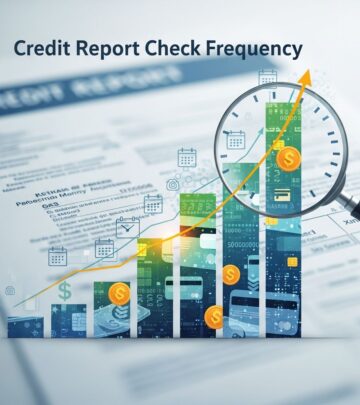
Experts unanimously advise reviewing your credit reports at least annually to verify accuracy and detect issues. However, more frequent monitoring is beneficial, especially with free weekly access available through official channels.
- Annual minimum: Once a year from each bureau ensures baseline oversight.
- Quarterly ideal: Stagger checks every four months for ongoing vigilance without overlap.
- Weekly option: Post-pandemic policy allows free weekly pulls, extended permanently for convenience.
For most people, quarterly reviews strike a balance between thoroughness and effort. Set calendar reminders to maintain consistency.
When to Check More Frequently
Certain life events or risks warrant immediate reviews beyond the standard schedule.
| Situation | Why Check Now | Action Steps |
|---|---|---|
| Planning a major purchase (e.g., home, car) | Ensure optimal score for best rates; check 3+ months prior | Review all three reports; dispute errors |
| Data breach notification | High fraud risk | Monitor for unauthorized accounts; freeze credit |
| Stolen wallet or SSN | Potential identity theft | Place fraud alert; check weekly |
| Major credit changes (e.g., new mortgage, loan payoff) | Verify accurate updates | Confirm reporting within 30-45 days |
| Sudden score drop | Possible error or fraud | Investigate and correct promptly |
These scenarios highlight proactive monitoring’s value in preventing financial setbacks.
How to Access Your Free Credit Reports
The sole authorized site for free annual (now weekly) reports is AnnualCreditReport.com, fulfilling federal requirements. You can request from all bureaus simultaneously or space them out.
- Visit AnnualCreditReport.com for instant online access.
- No credit card needed; verify identity securely.
- Additional free reports if denied credit, unemployed, on welfare, or suspect fraud.
Beware impostor sites mimicking this service. Official access is free and frequent under current rules.
Distinguishing Credit Reports from Credit Scores
A credit report details your history, while scores (e.g., FICO, VantageScore) are numerical summaries derived from it. Reports are free weekly; scores often require paid services or free trials.
Myth busted: Pulling your own report or score doesn’t harm it—only lender inquiries do. Focus on reports first for comprehensive insights.
Steps to Take After Reviewing Your Report
- Scan for errors: Verify accounts, balances, and personal details.
- Dispute inaccuracies: Online, mail, or phone with supporting docs; bureaus must investigate within 30 days.
- Monitor for fraud: Report suspicious activity; add fraud alert (1 year) or credit freeze (free, indefinite).
- Track improvements: Note changes over time to gauge progress.
Consistent action builds a stronger profile.
Benefits of Ongoing Credit Monitoring
Beyond manual checks, monitoring services provide alerts for changes, enhancing protection. Free options from bureaus notify of new accounts or inquiries.
- Early fraud detection saves time and money.
- Better preparation for financial moves.
- Improved scores through error correction.
Combine manual reviews with alerts for robust oversight.
Frequently Asked Questions
How often can I get free credit reports?
You can access free weekly reports from each bureau via AnnualCreditReport.com, a permanent extension of pandemic-era access.
Does checking my credit report lower my score?
No, self-checks are ‘soft’ inquiries with no impact.
What if I find an error on my report?
Dispute it directly with the bureau and creditor; resolutions typically occur within 30 days.
Should I check all three bureaus?
Yes, as reports can vary, providing the fullest picture.
What’s the difference between a fraud alert and credit freeze?
Fraud alert requires verification for new credit; freeze blocks access entirely.
Maintaining Long-Term Credit Health
Integrate report reviews into your financial routine alongside budgeting and saving. Quarterly checks, timely disputes, and fraud safeguards position you for success in lending and beyond. Stay vigilant—your financial future depends on it.
References
- How Often Should You Check Your Credit Report? — Experian. 2023. https://www.experian.com/blogs/ask-experian/how-often-to-check-your-credit-report/
- When should I review my credit report? — Consumer Financial Protection Bureau. 2025-02-01. https://www.consumerfinance.gov/ask-cfpb/when-should-i-review-your-credit-report-en-312/
- How Often Should You Check Your Credit Report and Score? — American Express. 2024. https://www.americanexpress.com/en-us/credit-cards/credit-intel/how-often-should-you-check-your-credit-score/
- Free Credit Reports — Federal Trade Commission. 2025. https://consumer.ftc.gov/articles/free-credit-reports
- Why You Should Check Your Credit Reports & Scores — Equifax. 2024. https://www.equifax.com/personal/education/credit/report/articles/-/learn/why-check-your-credit-reports-and-credit-score/
- Review credit report annually — Fulton Bank. 2023. https://www.fultonbank.com/Education-Center/Managing-Credit-and-Debt/Review-credit-report-annually
Similar Articles








Read full bio of medha deb